Flared sweatpants have become one of the fastest-growing categories in modern loungewear and athleisure. Their relaxed fit, comfortable feel, and fashionable silhouette make them popular among consumers who want both comfort and style. However, many buyers and apparel brands wonder what materials are actually used to make high-quality flared sweatpants.
Flared sweatpants are typically made from cotton, polyester, cotton-polyester blends, fleece, French terry, modal, viscose, and spandex blends. The best material depends on the intended use, target market, desired comfort level, and price point. Most premium flared sweatpants use cotton-rich fabrics with a small amount of elastane or polyester to improve durability and shape retention.
As fashion trends continue to merge activewear with everyday clothing, material selection has become one of the most important factors influencing the comfort, appearance, and performance of flared sweatpants.
Why Does Material Matter for Flared Sweatpants?
Many consumers focus on the silhouette of flared sweatpants but overlook the fabric itself.
The material determines how flared sweatpants drape, stretch, recover, feel against the skin, and maintain their shape after repeated wear and washing.
The same flare pattern can look completely different depending on the fabric used.
How Fabric Affects Appearance
Fabric influences:
- Leg drape
- Flare shape
- Garment weight
- Movement
- Wrinkle resistance
A lightweight modal fabric creates a different silhouette than heavyweight fleece.
How Fabric Affects Comfort
Comfort depends on:
- Softness
- Breathability
- Moisture management
- Stretch
- Thermal properties
These characteristics directly influence customer satisfaction.
Why Buyers Should Care About Material
Material selection affects:
| Factor | Impact |
|---|---|
| Comfort | Consumer satisfaction |
| Durability | Product lifespan |
| Appearance | Fashion appeal |
| Cost | Retail pricing |
| Performance | Functional value |
Choosing the right fabric is often the most important decision during product development.
Is Cotton the Most Common Material for Flared Sweatpants?
Cotton remains one of the most widely used fibers in the sweatpants industry.

Cotton is commonly used in flared sweatpants because it provides softness, breathability, durability, and a natural feel that consumers associate with comfort.
Many bestselling flared sweatpants rely heavily on cotton-rich fabrics.
Benefits of Cotton
Cotton offers:
- Natural softness
- Excellent breathability
- Comfortable skin feel
- Moisture absorption
- Year-round versatility
These qualities make cotton highly appealing.
Common Cotton Fabrics
Cotton Jersey
Advantages include:
- Lightweight feel
- Soft drape
- Everyday comfort
Cotton Fleece
Provides:
- Warmth
- Soft interior
- Premium comfort
French Terry
Offers:
- Breathability
- Moderate warmth
- Smooth exterior
French terry has become particularly popular in modern athleisure collections.
Potential Drawbacks
Cotton may:
- Shrink if untreated
- Wrinkle more easily
- Dry slower than synthetic fabrics
Many brands solve these issues through fabric blending.
Why Are Cotton-Polyester Blends So Popular?
Many flared sweatpants use blended fabrics instead of pure cotton.
Cotton-polyester blends combine the comfort of cotton with the durability, wrinkle resistance, and shape retention of polyester, making them one of the most practical choices for modern flared sweatpants.
These fabrics offer balanced performance.
Advantages of Cotton-Polyester Blends
Benefits include:
- Reduced shrinkage
- Better durability
- Improved color retention
- Enhanced shape stability
- Lower production costs
These characteristics support long-term wear.
Popular Blend Ratios
| Blend Ratio | Characteristics |
|---|---|
| 80% Cotton / 20% Polyester | Soft and durable |
| 70% Cotton / 30% Polyester | Balanced performance |
| 60% Cotton / 40% Polyester | Increased durability |
| 50% Cotton / 50% Polyester | Maximum stability |
Different ratios target different customer segments.
Why Brands Choose Blends
Blended fabrics help:
- Reduce returns
- Improve consistency
- Extend garment lifespan
- Enhance customer satisfaction
This explains their widespread adoption.
Are Modal and Viscose Good for Flared Sweatpants?
Many premium flared sweatpants use modal or viscose.
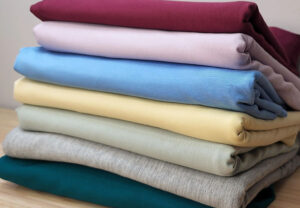
Modal and viscose are popular because they create an exceptionally soft hand feel and fluid drape, which complements the wide-leg silhouette of flared sweatpants.
These fibers contribute to a more elevated appearance.
Benefits of Modal
Modal provides:
- Exceptional softness
- Lightweight comfort
- Smooth texture
- Excellent drape
These qualities make modal ideal for premium loungewear.
Advantages of Viscose
Viscose offers:
- Silk-like feel
- Fluid movement
- Attractive appearance
- Comfortable wear
Many fashion-focused brands use viscose blends.
Why They Work Well for Flared Silhouettes
The flowing nature of these fabrics:
- Enhances leg movement
- Creates elegant drape
- Improves silhouette definition
This supports the fashion appeal of flared sweatpants.
Why Is Spandex Often Added to Flared Sweatpants?
Stretch has become increasingly important in modern apparel.
Spandex is commonly added to flared sweatpants to improve flexibility, comfort, shape retention, and recovery after movement.
Even small amounts can significantly improve performance.
Typical Spandex Percentages
| Spandex Content | Purpose |
|---|---|
| 2% | Light stretch |
| 4% | Moderate flexibility |
| 5-8% | Enhanced comfort |
| 10%+ | Performance-focused products |
Most fashion sweatpants use relatively low spandex levels.
Benefits of Spandex
Spandex provides:
- Better mobility
- Improved comfort
- Enhanced recovery
- Reduced bagging at knees
These improvements help maintain garment appearance.
Common Fabric Blends
Popular combinations include:
- Cotton-Spandex
- Modal-Spandex
- Polyester-Spandex
- Viscose-Spandex
These blends support both comfort and fit.
What Is the Best Fabric for Winter Flared Sweatpants?
Cold-weather consumers prioritize warmth.

Fleece and heavyweight cotton-blend fabrics are among the best choices for winter flared sweatpants because they provide insulation while maintaining comfort.
Fabric weight becomes particularly important.
Fleece Sweatpants
Advantages include:
- Excellent warmth
- Soft brushed interior
- Comfortable wear
These fabrics perform well in colder climates.
Heavyweight French Terry
Benefits include:
- Structured appearance
- Moderate insulation
- Enhanced durability
Many premium brands use heavyweight terry fabrics.
Recommended Winter GSM
| GSM Range | Application |
|---|---|
| 280-320 GSM | Moderate warmth |
| 320-400 GSM | Premium winter wear |
| 400+ GSM | Heavyweight luxury |
Higher GSM fabrics often create a more premium feel.
What Is the Best Fabric for Summer Flared Sweatpants?
Warm-weather markets require different material choices.
Lightweight cotton, modal blends, and French terry fabrics are often the best options for summer flared sweatpants because they offer breathability and comfort without excessive insulation.
Airflow becomes a priority.
Ideal Summer Fabrics
Popular options include:
- Lightweight cotton jersey
- Cotton-modal blends
- Bamboo viscose blends
- Lightweight French terry
These fabrics help regulate temperature.
Why Breathability Matters
Breathable fabrics help:
- Improve comfort
- Reduce overheating
- Enhance wearability
This increases customer satisfaction.
Lightweight Fabric Recommendations
Most summer flared sweatpants use:
- 180-250 GSM fabrics
- Open knit constructions
- Moisture-managing fibers
These characteristics support warm-weather performance.
How Does Fabric Weight Affect Flared Sweatpants?
Fabric weight significantly influences appearance.
The weight of the fabric affects how the flare hangs, moves, and maintains its shape. Lightweight fabrics create fluid movement, while heavier fabrics provide more structure.
The desired silhouette often determines the ideal weight.
Lightweight Fabrics
Characteristics include:
- More movement
- Softer drape
- Relaxed appearance
Commonly used for fashion-forward styles.
Heavyweight Fabrics
Provide:
- Better structure
- Premium feel
- Enhanced durability
These fabrics are popular in premium athleisure.
GSM Guidelines
| GSM Range | Style Effect |
|---|---|
| 180-220 GSM | Lightweight drape |
| 220-280 GSM | Balanced appearance |
| 280-350 GSM | Structured fit |
| 350+ GSM | Premium heavyweight look |
Selecting the right GSM is critical.
How Should Buyers Choose Materials for Flared Sweatpants?
There is no single best fabric for every market.
Buyers should select materials based on customer preferences, climate conditions, price targets, and intended use rather than following a single trend.
A strategic approach improves product performance.
Questions Buyers Should Ask
Before development begins:
- Is the product for fashion or comfort?
- What climate will it serve?
- What retail price is expected?
- How important is stretch?
- What silhouette is desired?
These answers guide material selection.
Recommended Fabrics by Market
| Market Segment | Recommended Fabric |
|---|---|
| Budget | Cotton-polyester blend |
| Lifestyle | Cotton French terry |
| Premium | Cotton-modal blend |
| Athleisure | Polyester-spandex blend |
| Luxury | Modal-spandex blend |
Matching materials to customer expectations improves success.
Always Request Samples
Before production, evaluate:
- Fabric hand feel
- Drape performance
- Wash durability
- Fit consistency
Physical testing remains essential.
Conclusion
Flared sweatpants are commonly made from cotton, cotton-polyester blends, French terry, fleece, modal, viscose, and spandex blends. Each material offers unique advantages, with cotton providing natural comfort, polyester improving durability, modal enhancing softness, and spandex contributing flexibility and shape retention. The best material depends on the intended customer, climate, style direction, and price point.
While fabric composition is important, factors such as fabric weight, knit construction, stretch recovery, and finishing treatments also play critical roles in determining product quality. Lightweight modal blends create flowing silhouettes, while heavyweight fleece fabrics provide structure and warmth. Understanding how these materials interact with the flared design helps brands develop products that balance comfort, performance, and fashion appeal.
At Fusionknits, we have found that the most successful flared sweatpants programs typically combine soft, comfortable fibers with carefully engineered fabric constructions. By selecting materials that complement the intended silhouette and customer expectations, brands can create flared sweatpants that deliver both style and long-term wearability in today's competitive athleisure market.