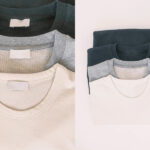
Many fashion-conscious individuals wonder how to layer clothing effectively. Layering is not just about piling clothes on top of each other—it is a strategic method to combine warmth, style, and comfort. Done correctly, layering can transform casual or basic garments into a versatile, fashionable wardrobe.
At Fusionknits, we define layering techniques as the thoughtful combination of fabrics, fits, and garments to achieve functional warmth, flexible movement, and aesthetic harmony. Successful layering enhances comfort while supporting personal style and adapting to changing temperatures.
As a professional apparel manufacturer, we see that proper layering is especially important for activewear, loungewear, and casual outerwear, where fabric performance, stretch, and durability affect the success of the outfit.
Why layering is important
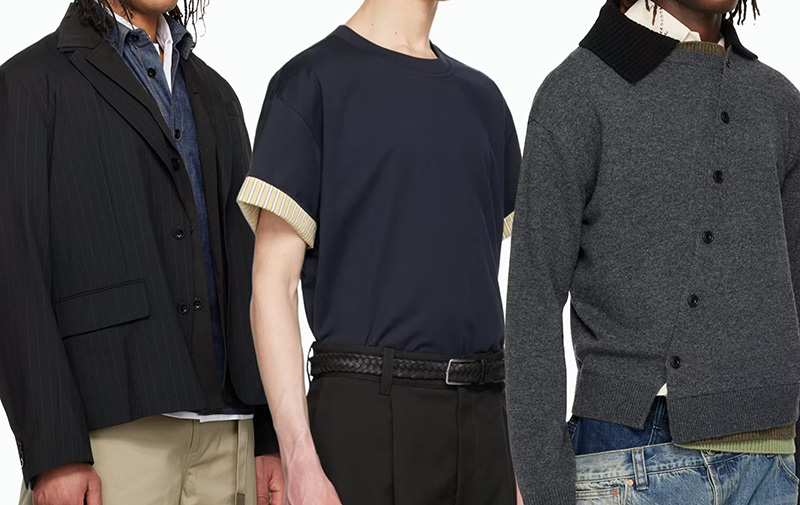
Layering serves both functional and style purposes. It helps regulate body temperature, allows for adaptation to indoor and outdoor conditions, and creates visual depth in an outfit.
At Fusionknits, we emphasize that layering provides flexibility. Light layers can be added or removed depending on the activity, weather, or location. Properly combined fabrics prevent overheating or restricted movement, ensuring that comfort is not sacrificed for style.
Layering is particularly useful for transitional seasons such as spring and fall, where temperature fluctuations are common. It also allows for mixing textures and colors, which enhances fashion appeal.
Functional benefits
- Temperature regulation
- Flexibility for movement
- Adaptability for indoor/outdoor conditions
- Enhanced visual interest
| Benefit | How layering achieves it |
|---|---|
| Warmth | Use insulating base, mid, and outer layers |
| Flexibility | Choose stretchy fabrics that allow motion |
| Adaptability | Remove or add layers easily |
| Style | Mix textures, colors, and patterns |
What are the basic layering principles?
To layer successfully, you need to understand fabric weight, breathability, and garment fit. These principles ensure comfort and style are both maintained.

At Fusionknits, we follow three core principles:
- Base Layer: Thin, moisture-wicking fabrics that sit close to the skin (e.g., cotton blends, polyester-spandex).
- Mid Layer: Insulating fabrics providing warmth without bulk (e.g., fleece, brushed knits, light sweaters).
- Outer Layer: Protective garments that shield from wind, rain, or cold (e.g., jackets, hoodies, coats).
The key is to select fabrics that complement each other in stretch, drape, and breathability. Overly heavy layers or non-breathable fabrics can trap heat and reduce comfort.
Base layer
- Close-fitting and moisture-wicking
- Light fabrics for comfort and stretch
- Supports temperature regulation
Mid layer
- Provides warmth without restricting movement
- Works with both base and outer layers
- Can include sweaters, cardigans, or pullovers
Outer layer
- Blocks wind, water, and cold
- Designed for mobility and durability
- Examples: jackets, hoodies, trench coats
| Layer | Purpose | Typical fabrics |
|---|---|---|
| Base | Moisture management, comfort | Cotton, polyester-spandex, bamboo |
| Mid | Insulation | Fleece, brushed knits, wool blends |
| Outer | Protection | Nylon, polyester, lightweight jackets |
How to combine fabrics and textures
Layering is most effective when fabrics are combined thoughtfully. Mixing textures adds depth and prevents the outfit from looking flat.
At Fusionknits, we recommend pairing smooth fabrics with textured knits, lightweight base layers with heavier mid-layers, and breathable fabrics under non-breathable outerwear. This approach balances comfort, performance, and aesthetics.
Examples of effective combinations
- Cotton-spandex tank under fleece hoodie
- Modal top beneath a ribbed cardigan
- Light nylon shell over a brushed knit pullover
- Cotton long-sleeve under polyester-spandex leggings with a loose outer tunic
Tips for texture combinations
- Avoid pairing multiple heavy textures at the same time
- Keep a consistent color palette for cohesion
- Mix smooth and textured fabrics for visual interest
How fit influences layering
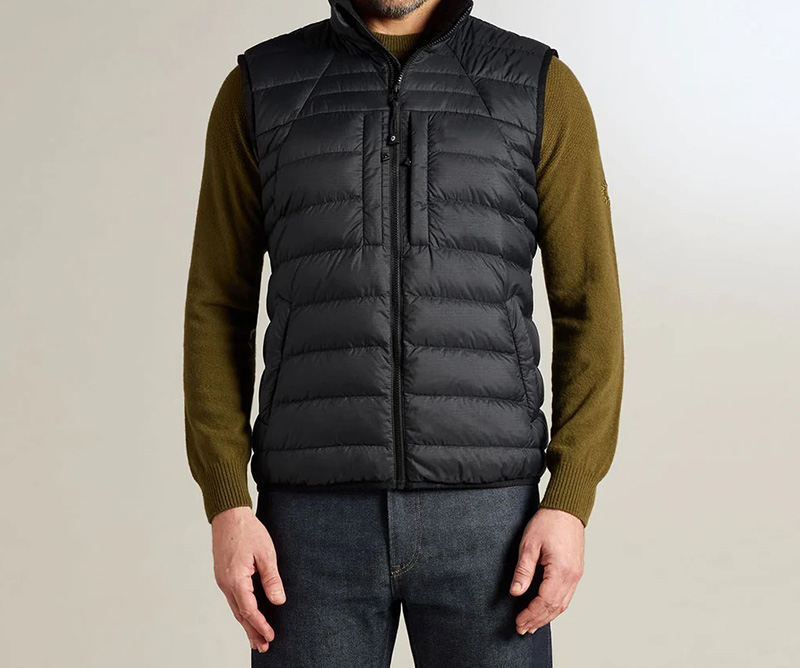
Proper fit is essential to prevent bulkiness and allow movement. Close-fitting base layers under looser mid and outer layers create a balanced silhouette.
At Fusionknits, we design garments with stretch and recovery in mind. This ensures that layered outfits remain comfortable and allow freedom of movement, especially for active or casual wear. Oversized outer layers can be paired with slim-fitting base and mid layers to avoid tightness or bunching.
Fit considerations
- Base layer: close but not restrictive
- Mid layer: slightly relaxed for insulation
- Outer layer: accommodates underlying layers
- Stretch fabrics enhance comfort and mobility
| Layer | Fit recommendation |
|---|---|
| Base | Slim, breathable, flexible |
| Mid | Relaxed, insulating |
| Outer | Loose enough for layering, wind-resistant |
Layering for different activities
The choice of layering depends on the intended activity and environment.
At Fusionknits, we advise:
- Activewear layering: Lightweight, moisture-wicking fabrics, slim-fitting base, breathable mid-layers, and flexible outer layers.
- Casual layering: Comfortable knit tops, hoodies, and relaxed-fit cardigans with coordinated outerwear.
- Outdoor layering: Insulating mid-layers with weatherproof outer shells, ensuring warmth and protection without restricting movement.
Activity-specific layering
| Activity | Layering approach |
|---|---|
| Gym | Thin moisture-wicking base, optional light hoodie |
| Yoga | Stretchy base, relaxed pullover |
| Hiking | Thermal mid-layer, breathable outer shell |
| Casual | Coordinated knit tops, hoodies, and jackets |
How to use accessories for layering
Accessories like scarves, hats, and gloves can complement clothing layers to enhance warmth and style.

At Fusionknits, we recommend selecting accessories that harmonize with fabric weight and texture. A light scarf with a soft knit hoodie or gloves with an insulating mid-layer adds functionality without bulk. Accessories also provide opportunities to add color contrast or pattern to layered outfits.
Accessory layering tips
- Match fabric weight to avoid imbalance
- Use scarves or wraps for neck warmth
- Gloves and hats for cold-weather insulation
- Keep accessories lightweight for mobility
Conclusion
Layering is both an art and a science. It requires understanding fabric properties, garment fit, and functional requirements to create outfits that are comfortable, adaptable, and visually appealing. Using base, mid, and outer layers, combining textures thoughtfully, and considering activity and season ensures that layered clothing performs well under various conditions.
At Fusionknits, we emphasize the technical and practical aspects of layering from a manufacturer’s perspective. Our approach ensures that garments retain their shape, comfort, and durability when combined with other layers.
Proper fabric selection, precise fit, and ergonomic design allow customers to layer effectively without compromising movement, breathability, or style. By teaching and applying these layering techniques, brands can provide versatile, high-performance garments that meet both functional and aesthetic needs in modern wardrobes.