Merino wool is highly regarded for its softness, warmth, and moisture-wicking capabilities. However, despite these advantages, there are some disadvantages that manufacturers, brands, and consumers should consider before using it in garments.
At Fusionknits, we recognize that while merino wool offers premium comfort and thermal regulation, challenges such as cost, care requirements, and durability can affect its suitability for certain products. Understanding these limitations is essential for creating high-quality, functional, and consumer-friendly apparel.
As a professional apparel manufacturer, we weigh both the benefits and disadvantages of merino wool to help brands make informed fabric choices for sweaters, activewear, and outerwear.
How cost affects merino wool use
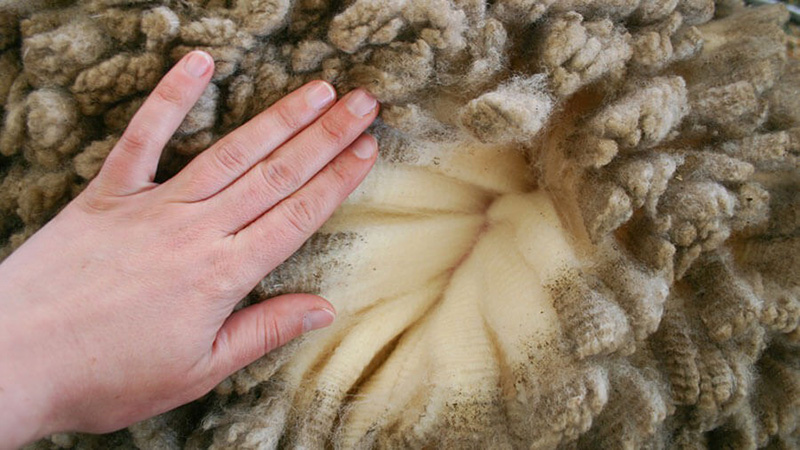
Merino wool is more expensive than standard wool or synthetic fibers. This higher cost is due to the rarity of fine merino fibers, labor-intensive harvesting, and specialized processing needed to maintain softness.
At Fusionknits, we advise brands to consider the impact of raw material cost on retail pricing. While merino wool adds value through comfort and performance, its premium price may limit accessibility for certain market segments.
Cost considerations
| Factor | Impact |
|---|---|
| Raw material price | Increases garment production cost |
| Processing | Softening, spinning, and dyeing adds expense |
| End-product price | Premium pricing may restrict target audience |
How durability and wearability are affected
Merino wool fibers are fine and delicate, which can make garments prone to pilling, stretching, or wear over time if not properly cared for. While high-quality merino is durable when handled correctly, it may not withstand heavy or frequent use like synthetic fabrics.

At Fusionknits, we implement reinforced stitching and fabric blends to extend the lifespan of merino wool garments without compromising softness or performance.
Durability concerns
| Issue | Explanation |
|---|---|
| Pilling | Fine fibers can form small balls on the surface |
| Stretching | Garments may lose shape under heavy stress |
| Abrasion | Less resistant to friction compared to synthetic fabrics |
Care and maintenance requirements
Merino wool often requires special care to maintain softness and shape. Most merino garments need gentle hand washing, cold water, and careful drying. Machine washing or high heat can cause shrinkage or damage.
At Fusionknits, we provide detailed care instructions to consumers, ensuring longevity and performance while educating them on proper handling techniques.
Care requirements
| Task | Importance |
|---|---|
| Hand wash | Prevents fiber damage and shrinkage |
| Cold water | Maintains fiber integrity and softness |
| Air drying | Preserves shape and avoids heat shrinkage |
| Avoid harsh detergents | Protects fiber quality and color |
How performance limitations can be a disadvantage
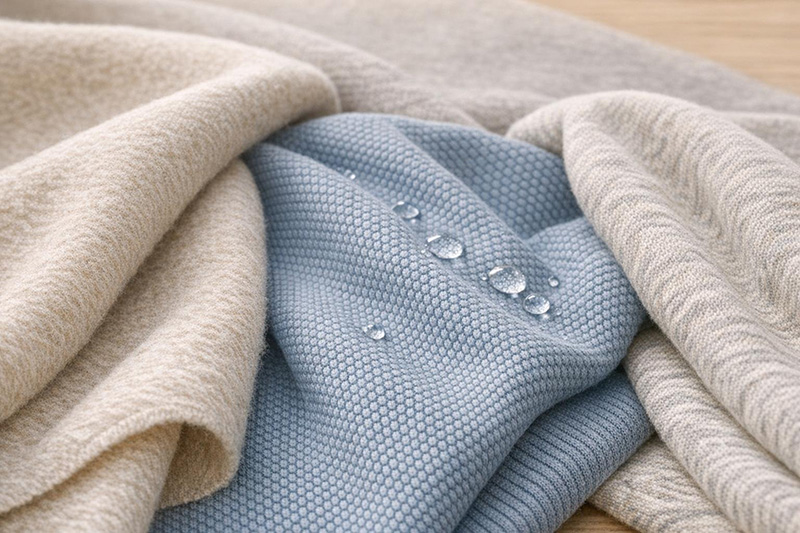
While merino wool excels in warmth and moisture-wicking, it can be slower to dry than synthetic fibers. This may be a disadvantage in high-intensity sports or wet weather conditions where quick-drying fabrics are preferred.
At Fusionknits, we sometimes blend merino with polyester or elastane to enhance durability, stretch, and faster drying for activewear applications, balancing natural fiber benefits with practical performance.
Performance comparison
| Feature | Merino Wool | Synthetic Blend |
|---|---|---|
| Moisture-wicking | Excellent | Excellent |
| Drying speed | Moderate | Fast |
| Stretch | Moderate | High |
| Durability | Moderate | High |
Environmental and sourcing considerations
Merino wool is natural and biodegradable, but sourcing can raise concerns about sustainability, animal welfare, and land use. Ethical sourcing and traceability are critical for maintaining brand credibility.
At Fusionknits, we prioritize responsible sourcing of merino wool, ensuring fibers are obtained from farms adhering to animal welfare standards and sustainable practices.
Sustainability considerations
| Factor | Mitigation |
|---|---|
| Animal welfare | Partner with ethical farms |
| Land management | Sustainable grazing practices |
| Fiber traceability | Maintain supply chain transparency |
How garment style impacts suitability
Not all garments are ideal for merino wool. Fine merino may not hold heavy embellishments, hardware, or extreme stretch without reinforcing blends. It is best suited for lightweight sweaters, base layers, and refined outerwear.

At Fusionknits, we carefully match merino wool to garment type to ensure the fabric’s strengths are leveraged while avoiding scenarios that may reduce durability or comfort.
Garment type suitability
| Garment | Merino Wool Use |
|---|---|
| Sweaters | Ideal for softness and warmth |
| Base layers | Excellent moisture management |
| Hoodies | Requires blended fabrics for structure |
| Heavy-duty outerwear | Less suitable without reinforcement |
Conclusion
Merino wool offers unmatched softness, warmth, and natural performance, but disadvantages include higher cost, delicate fibers prone to pilling, specialized care requirements, and slower drying. These factors can impact its practicality for some uses and market segments.
At Fusionknits, we approach merino wool from a professional manufacturing perspective, optimizing fabric blends, garment construction, and care guidance to maximize benefits while mitigating disadvantages.
By understanding both strengths and limitations, brands can create high-quality merino wool garments that deliver comfort, performance, and durability while maintaining a premium appeal for discerning consumers.