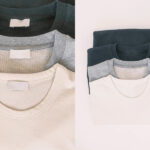
Merino wool and alpaca fiber are both considered premium natural fibers used in high-quality garments. Choosing between them depends on factors such as softness, warmth, durability, and specific use cases. Consumers often ask which fiber offers better comfort and value for luxury clothing.
At Fusionknits, we evaluate both merino wool and alpaca based on thermal performance, softness, weight, and care requirements. Understanding these characteristics allows manufacturers and brands to select the optimal fiber for garments ranging from sweaters and scarves to outerwear.
As a professional apparel manufacturer, our designs leverage the unique properties of each fiber to create garments that deliver comfort, longevity, and premium style.
How softness compares between merino and alpaca
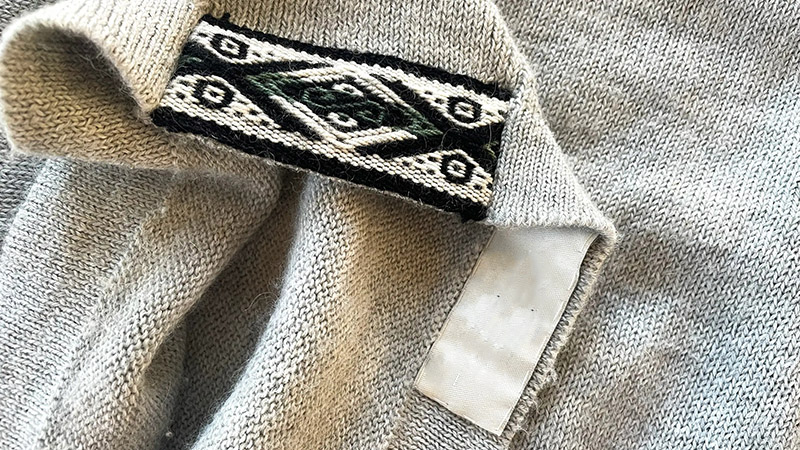
Softness is a primary factor in luxury fiber selection. Merino wool is fine, with fibers typically between 18–24 microns, offering a smooth, soft feel suitable for direct skin contact. Alpaca fibers are slightly thicker but have a silky surface, giving a smooth hand feel that is less itchy than standard wool.
At Fusionknits, we note that alpaca is often perceived as silkier, while merino offers a slightly springy, soft texture. The choice of softness depends on wearer preference and garment design—merino is ideal for fitted layers, while alpaca is often chosen for drape and warmth.
Softness comparison
| Feature | Merino Wool | Alpaca |
|---|---|---|
| Fiber diameter | 18–24 microns | 19–25 microns (silky) |
| Hand feel | Soft, smooth, slightly springy | Silky, smooth, luxurious |
| Skin irritation | Minimal | Hypoallergenic, very gentle |
How warmth and insulation differ
Alpaca fibers are hollow, providing excellent thermal insulation while remaining lightweight. Merino wool traps heat effectively and also wicks moisture away from the skin, regulating temperature in various conditions.

At Fusionknits, we recommend alpaca for cold, dry climates or garments requiring lightweight warmth, while merino is better for activewear or layering where moisture management and temperature regulation are important.
Thermal performance
| Feature | Merino Wool | Alpaca |
|---|---|---|
| Warmth-to-weight | Moderate to high | High |
| Moisture management | Excellent | Moderate |
| Ideal use | Layering, activewear | Sweaters, outerwear, luxury wear |
Durability and longevity
Both fibers are long-lasting when properly cared for, but alpaca is naturally stronger and less prone to pilling compared to fine merino. Merino wool, while durable, may require careful washing to maintain softness and shape.
At Fusionknits, we select alpaca for garments that benefit from long-term durability and minimal maintenance, such as luxury outerwear or high-end sweaters. Merino is chosen for fitted or technical garments where elasticity and moisture-wicking properties are prioritized.
Durability comparison
| Feature | Merino Wool | Alpaca |
|---|---|---|
| Strength | Moderate | High |
| Pilling tendency | Moderate | Low |
| Garment lifespan | High with care | Very high, low maintenance |
How weight and drape influence choice
Alpaca is lightweight yet very warm, making it ideal for flowing garments with a luxurious drape. Merino wool is slightly denser and elastic, providing a fitted silhouette and excellent shape retention.
At Fusionknits, we consider garment style when selecting fibers. Alpaca works well for scarves, coats, and loose sweaters, while merino is preferred for fitted sweaters, thermals, and base layers.
Weight and drape
| Feature | Merino Wool | Alpaca |
|---|---|---|
| Weight | Medium | Light |
| Drape | Moderate | Flowing, luxurious |
| Suitable garments | Fitted layers, activewear | Sweaters, luxury scarves, outerwear |
How care requirements differ
Merino wool typically requires gentle washing, often hand or machine wash on cold, and careful drying to prevent shrinkage. Alpaca is hypoallergenic and maintains softness over time, though it also benefits from hand washing or dry-cleaning to preserve texture and shape.
At Fusionknits, we educate consumers on care techniques to extend the life of both fibers, ensuring garments maintain softness, appearance, and performance.
Care comparison
| Fiber | Care Requirements |
|---|---|
| Merino Wool | Gentle cold wash, avoid heat, reshape when drying |
| Alpaca | Hand wash or dry clean, avoids high friction, maintains silkiness |
Which fiber suits different uses?
The choice between merino wool and alpaca depends on garment type and intended use. For activewear, layering, or moisture-managing garments, merino wool excels. For luxury sweaters, outerwear, and garments prioritizing warmth, softness, and low pilling, alpaca is ideal.

At Fusionknits, we recommend combining both fibers in blends to optimize softness, warmth, stretch, and durability, providing a superior luxury experience in high-end garments.
Recommended uses
| Use Case | Recommended Fiber |
|---|---|
| Activewear/base layers | Merino Wool |
| Luxury sweaters/scarves | Alpaca |
| Blended garments | Merino-Alpaca for combined softness, warmth, and durability |
Conclusion
Merino wool and alpaca each offer exceptional qualities. Merino excels in softness, elasticity, and moisture management, making it ideal for layering and active garments. Alpaca provides superior warmth, silk-like smoothness, durability, and minimal pilling, suited for luxury sweaters and outerwear.
At Fusionknits, we leverage the unique properties of each fiber in our designs. By selecting the appropriate fiber based on garment type, climate, and intended use, we create premium apparel that balances comfort, durability, and luxury.
Whether for fitted merino wool layers or flowing alpaca sweaters, understanding these differences ensures consumers receive high-quality garments that perform, look elegant, and maintain their feel over time.