Many buyers focus on polo shirt colors, logos, or fit, but fabric weight is one of the most important factors affecting comfort, durability, structure, and overall quality. Choosing the wrong GSM can make a polo feel too thin, too heavy, or unsuitable for its intended purpose.
The best GSM for polo shirts usually ranges between 180 and 260 GSM depending on the intended use, fabric composition, and target market. Lightweight polo shirts around 180–200 GSM are ideal for summer and sportswear, while midweight polo fabrics and heavyweight polo shirts between 220–260 GSM provide better structure, durability, and premium feel.
At Fusionknits, polo shirt manufacturing focuses heavily on fabric quality, knit structure, garment fit, and long-term wearability. GSM selection directly affects comfort, drape, breathability, and market positioning.
What Does GSM Mean In Polo Shirts?
GSM fabric meaning is one of the most important fabric measurements in apparel manufacturing.
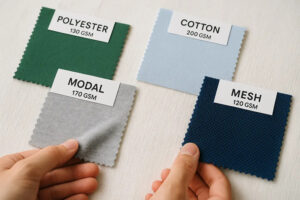
GSM stands for grams per square meter, which measures fabric weight and density. Higher GSM fabrics are heavier and usually thicker, while lower GSM fabrics feel lighter and more breathable.
Fabric weight strongly influences how a polo shirt feels and performs.
Higher GSM Means Heavier Fabric
Heavy fabrics generally provide:
- Better structure
- More durability
- Stronger drape
- Premium appearance
Many luxury polos use higher GSM fabrics.
Lower GSM Feels Lighter
Lightweight fabrics improve:
- Breathability
- Summer comfort
- Flexibility
These fabrics are common in sports and promotional polos.
GSM Does Not Automatically Mean Better Quality
A higher GSM fabric is not always better.
Quality also depends on:
- Yarn quality
- Knit construction
- Fabric finishing
- Dyeing process
Balanced fabric development matters more than weight alone.
Different Markets Prefer Different GSM Levels
For example:
| Market Type | Common GSM Range |
|---|---|
| Promotional polos | 160–190 GSM |
| Casual polos | 190–220 GSM |
| Premium polos | 220–260 GSM |
| Heavyweight fashion polos | 260+ GSM |
At Fusionknits, GSM selection depends heavily on brand positioning and fabric purpose.
Is 180 GSM Good For Polo Shirts?
180 GSM is one of the most common lightweight polo fabric categories.

180 GSM is suitable for lightweight polo shirts because it provides breathability, flexibility, and comfortable wear in warm weather conditions.
This GSM range is highly popular in promotional and summer apparel.
Lightweight Fabrics Feel Cooler
180 GSM polos usually provide:
- Better airflow
- Reduced heat retention
- Comfortable summer wear
This makes them ideal for hot climates.
Sportswear Often Uses Lighter GSM
Athletic polos prioritize:
- Moisture management
- Lightweight comfort
- Easy movement
Lower fabric weight improves sports performance.
Lower GSM May Feel Less Premium
Very lightweight polos sometimes feel:
- Thinner
- Less structured
- Less durable
Fabric quality becomes especially important at lower weights.
Lightweight Polos Work Well For Uniforms
Many companies choose lightweight polos because they offer:
- Lower cost
- Comfortable daily wear
- Easy layering
This GSM category remains commercially popular.
Why Are 200–220 GSM Polo Shirts So Common?
This range balances comfort and durability very well.
Midweight polo fabrics between 200 and 220 GSM are popular because they provide good breathability, moderate structure, and balanced everyday comfort.
This category works across multiple markets.
Midweight Fabrics Feel More Versatile
200–220 GSM fabrics provide:
- Better drape
- Improved durability
- Comfortable year-round wear
This makes them highly adaptable.
Casualwear Brands Prefer Midweight Polos
Many fashion brands use this range because it supports:
- Better fit stability
- Cleaner silhouette
- More premium appearance
The fabric feels substantial without becoming too heavy.
Midweight Fabrics Improve Shape Retention
Compared to lightweight polos, this range usually maintains:
- Collar structure
- Body shape
- Sleeve consistency
This improves long-term wearability.
Most Retail Polos Fall Into This Category
Many commercial polo shirts are developed within this GSM range because it balances:
- Cost efficiency
- Comfort
- Durability
- Market versatility
At Fusionknits, 200–220 GSM fabrics are among the most requested polo shirt materials.
Is 240 GSM Better For Premium Polo Shirts?
Higher GSM polos often feel more luxurious.
Heavyweight polo shirts around 240 GSM are considered premium because they provide stronger structure, thicker hand feel, improved durability, and elevated appearance.
Heavyweight polos are increasingly popular in modern fashion.
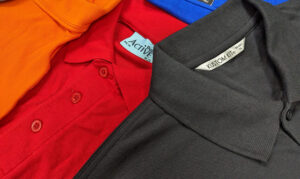
Heavyweight Polos Feel More Expensive
Consumers often associate heavier fabrics with:
- Better quality
- Stronger durability
- Luxury positioning
Weight strongly affects perceived value.
Structure Improves Silhouette
240 GSM fabrics help create:
- Cleaner body lines
- Better drape
- More polished appearance
This works especially well in premium casualwear.
Heavier Fabrics Improve Durability
Heavyweight polos generally resist:
- Fabric distortion
- Excessive stretching
- Transparency problems
This improves product lifespan.
Fashion Brands Increasingly Use Heavyweight Fabrics
Modern streetwear and minimalist brands increasingly prefer:
- Structured garments
- Thicker cotton knits
- Elevated basics
Heavyweight polos fit these trends very well.
Can Polo Shirts Be Too Heavy?
Excessive fabric weight may reduce comfort.
Polo shirts above 280 GSM can sometimes feel too warm, stiff, or heavy for daily wear, especially in hot climates.
Fabric balance is important.
Heavy Fabrics Reduce Breathability
Very thick polos may cause:
- Heat buildup
- Reduced airflow
- Less flexibility
This can reduce summer comfort.
Stiff Fabrics Affect Movement
Excessively dense fabrics sometimes feel:
- Restrictive
- Less flexible
- Less comfortable during activity
Comfort should remain a priority.
Heavyweight Fashion Polos Still Have Market Demand
Despite limitations, heavyweight polos are popular in:
- Luxury fashion
- Streetwear
- Minimalist apparel
These markets often prioritize structure over lightweight comfort.
Fabric Construction Matters More Than Weight Alone
A well-developed 240 GSM polo may feel softer and more breathable than a poorly constructed 200 GSM fabric.
At Fusionknits, fabric softness and knit quality are carefully balanced with GSM during polo shirt development.
How Does Fabric Composition Affect GSM Performance?
Fabric type changes how GSM behaves.

The same GSM may feel completely different depending on whether the fabric uses cotton, polyester, pique knit polo fabric, or stretch blends.
Material composition strongly affects performance.
Cotton Feels Softer And More Natural
Cotton polos usually provide:
- Better softness
- Natural breathability
- Comfortable texture
However, pure cotton may feel heavier at higher GSM.
Polyester Feels Lighter At Similar GSM
Polyester fabrics often provide:
- Lighter feel
- Better moisture management
- Faster drying
This changes how the fabric performs during wear.
Pique Knit Creates Better Airflow
Pique knit polo fabric uses textured knit structures that improve:
- Breathability
- Surface texture
- Structured appearance
This is why pique polos remain highly popular.
Stretch Blends Improve Flexibility
Adding elastane improves:
- Movement comfort
- Shape retention
- Slim-fit support
Stretch fabrics often feel softer even at higher weights.
Which GSM Is Best For Sports Polo Shirts?
Performance polos require different priorities than casualwear.
The best GSM for sports polo shirts is usually between 160 and 200 GSM because lightweight fabrics improve breathability, moisture management, and mobility.
Athletic garments prioritize comfort during movement.
Lightweight Fabrics Improve Airflow
Sports polos should help reduce:
- Heat retention
- Sweat buildup
- Fabric heaviness
Breathability strongly affects athletic comfort.
Technical Fabrics Perform Better At Lower GSM
Moisture-wicking polyester fabrics often work best at:
- Lower weights
- Lightweight knits
- Flexible constructions
Heavy fabrics may reduce performance.
Stretch Matters In Sportswear
Sports polos commonly use:
- Polyester-spandex blends
- Four-way stretch fabrics
These materials improve mobility.
Durability Still Matters
Even lightweight sports polos should resist:
- Pilling
- Stretch distortion
- Frequent washing
Technical quality remains important.
Which GSM Is Best For Luxury Polo Shirts?
Luxury polos focus more on structure and tactile quality.
Luxury polo shirts usually perform best between 220 and 260 GSM because this range provides premium drape, stronger structure, and elevated hand feel.
Heavyweight fabrics create stronger luxury perception.
Premium Consumers Prefer Structured Fabrics
Luxury buyers often associate:
- Thickness
- Weight
- Soft dense texture
with higher product quality.
Mercerized And Compact Cotton Work Well
Premium polos often use:
- Mercerized cotton
- Compact spinning yarns
- Fine pique knits
These fabrics improve smoothness and durability.
Luxury Polos Prioritize Appearance
Heavier fabrics help maintain:
- Collar structure
- Clean silhouette
- Better drape
Visual presentation matters heavily in premium apparel.
Finishing Processes Improve Premium Feel
Luxury polos often include:
- Enzyme washing
- Silicone softening
- Pre-shrinking treatments
These processes improve fabric softness and stability.
At Fusionknits, luxury polo shirt production focuses heavily on fabric finishing and long-term shape retention.
How Does GSM Affect Polo Shirt Pricing?
Heavier fabrics usually increase manufacturing cost.
Higher GSM polo shirts generally cost more because they require more yarn, more fabric consumption, and sometimes more advanced knitting construction.
Fabric weight directly affects production pricing.
Heavyweight Fabrics Use More Material
Higher GSM means:
- More yarn usage
- Increased fabric consumption
- Higher raw material cost
This increases overall garment pricing.
Premium Finishing Adds Cost
Heavyweight premium polos often require:
- Better dyeing control
- Advanced washing processes
- Softer finishing treatments
These improve product quality but raise manufacturing cost.
Lightweight Promotional Polos Cost Less
Lower GSM polos usually require:
- Less fabric
- Simpler construction
- Lower production complexity
This improves affordability.
Fabric Quality Still Matters More Than Weight Alone
A cheap heavyweight fabric may still perform worse than a premium midweight fabric.
Yarn quality and finishing strongly affect final garment quality.
What GSM Trends Are Influencing Modern Polo Shirts?
Consumer expectations continue changing rapidly.
Modern polo shirt trends focus on midweight premium fabrics, soft-touch pique knits, sustainable cotton materials, and elevated heavyweight casualwear construction.
Fashion and comfort trends strongly affect fabric development.
Heavyweight Casualwear Is Growing
Consumers increasingly prefer:
- Structured silhouettes
- Premium hand feel
- Elevated basics
Heavyweight polos align closely with these trends.
Soft-Touch Fabrics Are Becoming More Popular
Modern polos increasingly prioritize:
- Smooth texture
- Comfortable drape
- Everyday softness
Comfort now strongly influences purchasing decisions.
Sustainable Fabrics Continue Expanding
Many brands now request:
- Organic cotton
- Recycled polyester
- Eco-friendly dyeing
Sustainability affects modern product development.
Athleisure Influences Polo Construction
Modern polos increasingly combine:
- Sportswear functionality
- Casual styling
- Stretch comfort
Hybrid apparel categories continue growing.
Conclusion
The best GSM for polo shirts usually ranges between 180 and 260 GSM depending on the intended use, fabric composition, and market positioning. Lightweight polos around 180–200 GSM work well for sportswear and summer comfort, while midweight and heavyweight fabrics between 220–260 GSM provide stronger structure, durability, and premium appearance.
At Fusionknits, polo shirt manufacturing focuses on fabric quality, knit structure, garment finishing, and long-term wearability. Careful GSM selection helps create polo shirts with better comfort, improved silhouette control, stronger durability, and higher perceived quality across casualwear, sportswear, and luxury fashion collections.