Choosing a sweatshirt may seem simple, but the material determines how it feels, fits, and lasts over time. High-quality fabrics make the sweatshirt soft, durable, warm, and comfortable, while poor materials quickly lose shape and develop pilling.
The best quality sweatshirt materials include heavyweight cotton, cotton-polyester blends, French terry, brushed fleece, organic cotton, and technical knit fabrics because they provide a combination of softness, durability, stretch, warmth, and breathability. The choice depends on intended use, season, and garment design.
At Fusionknits, we focus on selecting premium materials, precise fit engineering, and consistent manufacturing processes to create sweatshirts that are comfortable, long-lasting, and visually appealing.
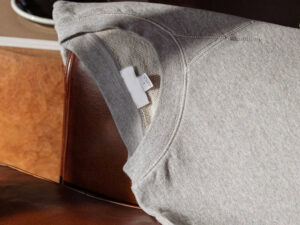
Why Material Quality Matters In Sweatshirts
Material is the foundation of every high-quality sweatshirt.
The fabric affects softness, durability, thermal comfort, stretch, and drape. Choosing the right material ensures the sweatshirt maintains its look, shape, and feel after repeated wear and washing.
Even small differences in fiber composition can significantly impact product longevity.
Softness Influences Comfort
Premium fabrics feel smooth against the skin and improve:
- Daily wearability
- Long-term comfort
- Overall user satisfaction
Softness is often the first attribute noticed by consumers.
Weight Provides Warmth And Structure
Heavier fabrics offer:
- Better insulation
- Structured drape
- Substantial hand feel
Fabric weight also conveys quality and durability.
Stretch Ensures Mobility
Sweatshirts should allow:
- Casual movement
- Layering under jackets
- Flexibility during activity
Fabrics with good recovery maintain shape and comfort.
Durability Extends Lifespan
High-quality fabrics resist:
- Pilling
- Shrinkage
- Stretch distortion
- Color fading
At Fusionknits, durability testing is a key part of quality control.
Why Cotton Is A Benchmark For Quality
Heavyweight cotton remains a top choice for high-quality sweatshirts.

High-quality cotton is soft, breathable, and naturally comfortable. When combed or ring-spun, it provides excellent hand feel, making it ideal for premium sweatshirts.
Cotton works well for casualwear, loungewear, and streetwear.
Combed Cotton Feels Softer
Combed cotton removes short fibers, resulting in:
- Smooth texture
- Reduced pilling
- Luxurious softness
This enhances perceived garment quality.
Cotton Breathes Naturally
Cotton allows airflow, which helps regulate temperature during wear.
Heavy Cotton Improves Premium Feel
Heavyweight cotton (350–450 GSM) adds:
- Structure
- Durability
- Luxurious tactile sensation
Weight contributes to a premium perception.
Organic Cotton Offers Sustainability
Organic cotton adds:
- Eco-friendly appeal
- Softness
- Competitive market value for conscious consumers
Many modern brands use organic cotton in luxury sweatshirts.
Why Cotton-Polyester Blends Are Preferred
Blending fibers combines comfort with technical benefits.
Cotton-polyester blends improve durability, shape retention, and moisture management while maintaining cotton’s softness. These blends are widely used in high-quality sweatshirts.
They help overcome common issues with pure cotton.
Polyester Adds Durability
Polyester provides:
- Resistance to shrinking
- Color retention
- Long-term garment strength
Blends Support Moisture Management
Cotton-polyester fabrics wick sweat better than pure cotton, keeping the wearer more comfortable during activity.
Blends Retain Shape
Adding polyester or spandex improves:
- Neckline and cuff recovery
- Waistband stability
- Overall garment longevity
At Fusionknits, these blends are common in casual and premium streetwear sweatshirts.
French Terry: Lightweight Comfort With Premium Appeal
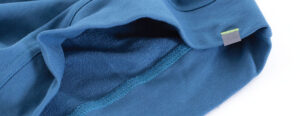
French terry features a smooth outer surface and looped inner texture.
French terry is suitable for sweatshirts because it provides softness, moderate warmth, and breathability while being lighter than fleece.
It is ideal for spring, fall, and indoor wear.
Balanced Warmth Without Bulk
French terry provides:
- Moderate thermal insulation
- Comfortable drape
- Soft, lightweight feel
Layering Versatility
French terry sweatshirts layer easily under jackets or over light tops.
Premium Feel Through Fabric Weight
High-quality French terry ranges from 300–400 GSM for structure and hand feel.
Brushed Fleece: Cozy And Premium
Brushed fleece creates plush interior insulation.
Brushed fleece is used in high-quality sweatshirts to provide warmth, softness, and a luxurious hand feel, especially in winter collections.
It enhances tactile comfort and winter utility.
Heavyweight Fleece Adds Structure
Fabrics in the 400–500 GSM range create:
- Substantial drape
- Structured silhouette
- Premium streetwear appearance
Brushed Interiors Trap Heat
The inner brushed surface:
- Retains warmth
- Feels cozy against skin
- Improves winter comfort
Pilling Resistance Improves Durability
High-quality fleece resists:
- Fiber shedding
- Surface pilling
- Wear-and-tear
This ensures the garment remains premium over time.
Technical Fabrics In Luxury Sweatshirts
Some premium sweatshirts integrate technical fibers for performance.

Polyester, nylon, and spandex blends provide stretch, moisture-wicking, lightweight comfort, and durability, making them ideal for active or athleisure sweatshirts.
These fabrics are common in modern luxury and performance lines.
Polyester Offers Quick-Drying Performance
Polyester fabrics help:
- Evaporate moisture
- Maintain comfort
- Resist shrinkage
Nylon Feels Soft And Smooth
Nylon blends provide:
- Luxurious hand feel
- Stretch recovery
- Body contour support
Spandex Adds Flexibility
Spandex ensures:
- Comfortable movement
- Shape retention
- Slim-fit integrity
How Fabric Weight Influences Quality
Fabric weight impacts warmth, drape, and premium perception.
Lightweight fabrics suit layering, medium-weight fabrics balance comfort and structure, and heavyweight fabrics provide insulation, hand feel, and a premium look.
Weight also influences seasonality.
Lightweight Sweatshirts
- 220–280 GSM
- Comfortable for indoor wear or layering
- Flexible and breathable
Medium-Weight Sweatshirts
- 280–350 GSM
- Balances structure and comfort
- Suitable for casualwear
Heavyweight Sweatshirts
- 350–500 GSM
- Provides warmth and substantial feel
- Suitable for oversized or fashion-forward designs
Importance Of Rib Knit Detailing
Rib knit fabrics are used in cuffs, waistbands, and hems.
Rib fabrics maintain stretch, support fit, and create a polished silhouette, enhancing the premium quality of sweatshirts.
They are essential for high-end designs.
Shape Retention
- Prevents sagging
- Maintains sleeve and waistband fit
- Enhances longevity
Comfort And Flexibility
- Soft stretch supports movement
- Complements body fabric
- Improves overall wearability
At Fusionknits, rib knit testing ensures consistent stretch recovery.
Additional Features That Add Premium Value
Luxury sweatshirts are not just fabric—they include construction and finishing details.
Reinforced stitching, quality drawstrings, subtle branding, and advanced finishing techniques increase perceived value.
Details differentiate luxury from standard sweatshirts.
Double-Stitched Seams
- Enhance durability
- Maintain shape after repeated wear
Soft-Touch Drawstrings
- Comfortable to touch
- Easy to adjust
- Improves usability
Minimal Branding
- Clean logo placement
- Enhances fashion-forward appeal
Pre-Shrinking And Washing Finishes
- Stabilizes garment fit
- Softens fabric
- Adds premium tactile feel
Conclusion
The best quality sweatshirt materials include heavyweight cotton, cotton-polyester blends, French terry, brushed fleece, organic cotton, and technical knit fabrics. These fabrics provide softness, warmth, stretch, durability, and breathability. Rib knit fabrics and finishing details enhance comfort and maintain long-term quality.
At Fusionknits, sweatshirt manufacturing prioritizes material performance, fit engineering, and production consistency. Selecting the right fabric ensures sweatshirts remain soft, durable, comfortable, and premium across casualwear, loungewear, and performance collections.