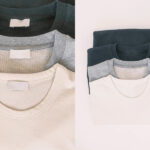
Many people think layering means just wearing more clothes. That is why so many layered outfits feel bulky, awkward, or too warm. In real apparel planning, layering is not about adding random pieces. It is about building comfort, balance, and flexibility in a controlled way.
At Fusionknits, we believe the best way to layer is to build from light to heavy, from close-fitting to looser, and from breathable to protective. A strong layering system usually starts with a comfortable base layer, adds a functional mid-layer, and finishes with an outer layer that matches the weather, movement needs, and styling goal.
As a professional apparel manufacturer, we see layering as both a styling method and a product-development strategy. A good layered outfit should feel easy to wear, easy to adjust, and easy to repeat. That only happens when weight, silhouette, fabric, and garment role all work together.
Why do so many people layer the wrong way?
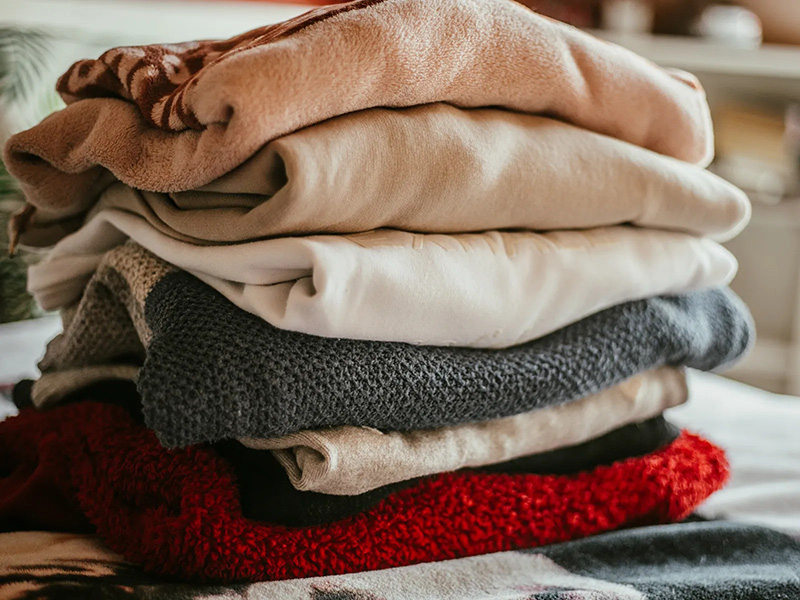
The most common problem is that people focus on appearance first and forget product function. They put on garments that compete with each other in weight, shape, or fabric behavior. As a result, the outfit looks crowded and feels uncomfortable.
At Fusionknits, we see poor layering happen when garments are added without clear order, clear function, or clear fit balance. The wrong layering usually creates too much bulk, too much heat, or too much visual confusion.
A strong layered outfit should solve a practical problem. It should help manage temperature, improve wearability, and support the overall silhouette. If layering creates pressure at the neck, bunching at the sleeve, or too much fabric around the waist, the system is already weak.
Common layering mistakes
- Starting with a bulky base layer
- Using fabrics that do not breathe well together
- Wearing two garments with the same visual weight
- Choosing layers that fight at the neckline
- Ignoring movement and comfort
Why these mistakes matter
Layering should improve comfort
If the outfit feels restrictive, the layering is not working.
Layering should improve outfit balance
If every layer demands attention, the final look loses clarity.
| Layering problem | Result |
|---|---|
| Too much bulk | Uncomfortable and heavy outfit |
| Wrong fit order | Pulling, bunching, awkward movement |
| Poor fabric mix | Heat buildup or weak drape |
What is the basic rule for layering correctly?
The strongest layering rule is simple. Start with the lightest and closest layer, then build outward with more volume, more warmth, or more protection. This keeps the system clean and practical.

The basic rule for layering correctly is to move from base layer to mid-layer to outer layer, while keeping each garment slightly more open, more structured, or more protective than the one before it. This creates better comfort, better movement, and better visual order.
At Fusionknits, we use this rule in both product planning and styling logic. A fitted tank or tee should sit under a sweatshirt or knit. A sweatshirt or knit should sit under a jacket or coat. Each piece should have its own clear job.
The three-layer logic
- Base layer for skin comfort
- Mid-layer for warmth or visual body
- Outer layer for protection and final structure
Why this system works
Each piece has a role
The outfit feels intentional instead of random.
The body can adjust more easily
Layers can be added or removed without damaging the look.
| Layer level | Main function |
|---|---|
| Base layer | Comfort and foundation |
| Mid-layer | Warmth and shape |
| Outer layer | Protection and finish |
What makes a good base layer?
A base layer should feel easy, breathable, and close enough to the body to sit smoothly under other garments. It should not create pressure or unnecessary thickness.
At Fusionknits, a good base layer is usually lightweight, soft, and body-friendly. Common strong options include fitted T-shirts, tank tops, long-sleeve basics, and fine knit tops that sit close to the body without feeling tight.
The base layer is important because it decides the comfort of the whole outfit. If the first layer feels rough, too thick, or unstable, the rest of the system becomes harder to wear.
Good base-layer qualities
- Soft against the skin
- Light enough to stay smooth
- Close-fitting without restriction
- Breathable
- Easy to wear under other pieces
Strong base-layer options
Tank tops
Useful for warmer weather or close-fitting layered outfits.
T-shirts and long-sleeve basics
Useful for casual layering in many seasons.
| Base-layer type | Best use |
|---|---|
| Tank top | Light and minimal layering |
| Fitted T-shirt | Everyday casual layering |
| Long-sleeve basic | Cooler-weather foundation |
What should a mid-layer do?
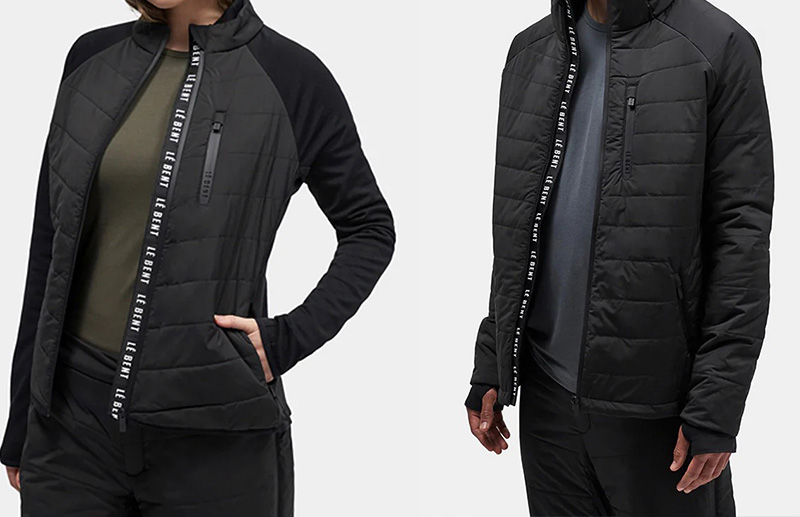
The mid-layer is often the most important visual and functional layer in the outfit. It adds body, warmth, and character. It is also usually the layer that stays on when the outer layer comes off.
At Fusionknits, a good mid-layer should add warmth and shape without creating too much bulk. Common strong mid-layers include sweatshirts, hoodies, cardigans, knit pullovers, and overshirts, depending on the season and styling goal.
A weak mid-layer is often either too heavy or too shapeless. If it is too heavy, the outer layer becomes hard to wear. If it is too loose without structure, the outfit loses definition.
What strong mid-layers do well
- Add moderate warmth
- Build the outfit’s main silhouette
- Work over a base layer smoothly
- Stay comfortable under outerwear
- Support repeat wear across seasons
Why mid-layers matter so much
They hold the outfit together
A good mid-layer often creates the strongest balance in casualwear.
They improve flexibility
The wearer can remove the outer layer and still look complete.
| Mid-layer type | Main role |
|---|---|
| Sweatshirt | Casual warmth and body |
| Cardigan | Flexible soft layering |
| Overshirt | Light structure and coverage |
How should the outer layer be chosen?
The outer layer should complete the system, not overpower it. It needs enough room to fit over the inner layers, but not so much volume that the whole outfit becomes loose and heavy.
At Fusionknits, the best outer layer is the one that matches the weather, the outfit weight, and the layering underneath. Good outer layers include lightweight jackets, utility jackets, bombers, coats, puffers, and structured overshirts in some cases.
The outer layer should also fit the purpose of the outfit. A technical windbreaker may work for movement and weather protection. A wool coat may work better for polished layering. A bomber may work best for casual citywear.
What a good outer layer should do
- Fit over inner layers comfortably
- Protect against weather
- Add final shape to the outfit
- Match the style level of the look
- Keep movement possible
What to avoid in outer layers
Too little space
The garment will pull over the shoulders or sleeves.
Too much visual weight
The outfit may feel top-heavy or oversized in the wrong way.
| Outer-layer type | Best role |
|---|---|
| Lightweight jacket | Transitional layering |
| Bomber | Casual structure |
| Coat | Polished coverage |
| Puffer | Cold-weather protection |
How important is fabric when layering?
Fabric is one of the most important parts of layering because each material behaves differently in heat, movement, and drape. Good layering depends on fabrics working together, not fighting each other.

At Fusionknits, the best way to layer fabrics is to combine breathable and lighter materials close to the body with denser or more structured materials further out. Cotton jersey, rib knit, French terry, loopback cotton, lightweight knitwear, and selected outerwear fabrics usually layer well when balanced correctly.
A thick fuzzy fabric directly under another bulky piece often feels too heavy. A slippery unstable base layer under a loose knit may twist or move too much. The fabric system should feel progressive and balanced.
Fabrics that layer well
- Cotton jersey
- Rib knit
- French terry
- Fine knitwear
- Loopback cotton
- Light outerwear weaves
- Technical shell fabrics in selected systems
Why fabric order matters
Breathability starts inside
The inner layers need to stay wearable against the body.
Structure should build outward
Heavier or more protective materials usually work better on the outside.
| Fabric position | Better direction |
|---|---|
| Inner layer | Soft and breathable |
| Mid-layer | Moderate body and warmth |
| Outer layer | Structured or protective |
How can people layer without looking bulky?
This is one of the most common concerns, and the answer comes down to proportion and control. Bulk usually appears when every layer is heavy, every fit is loose, or every hem competes for attention.
At Fusionknits, the best way to layer without looking bulky is to keep the base layer close, keep the mid-layer balanced, and choose an outer layer with enough room but not too much excess volume. Weight, length, and shape should become slightly larger as the outfit moves outward, but in a controlled way.
The most successful layered outfits usually have one dominant volume point. That may be an oversized sweatshirt under a clean coat, or a fitted base with a relaxed overshirt. If every layer is oversized at once, the outfit often loses shape.
Ways to reduce bulk in layering
- Start with a fitted or controlled base
- Avoid stacking too many plush fabrics
- Balance oversized pieces with cleaner layers
- Watch hem length and sleeve volume
- Let one layer lead the silhouette
Why proportion is the real key
Not every layer should compete
The outfit needs one clear visual direction.
Controlled volume looks stronger
Bulk feels intentional only when shape is planned.
| Layering choice | Better result |
|---|---|
| Fitted base + relaxed mid-layer | Balanced casual look |
| Relaxed mid-layer + clean outer layer | Controlled volume |
| Too many bulky layers | Heavy and awkward look |
Does the best layering method change by season?
Yes, but the basic system stays the same. The roles of the layers remain stable, while the weight and fabric of each layer change with the weather.
Yes, the best layering method changes by season because fabric weight, warmth, and breathability need to respond to climate. In warm weather, layering is often lighter and more breathable. In cold weather, it becomes more insulating and more protective.
At Fusionknits, we see layering as a year-round idea, not only a winter habit. In spring and autumn, layering often works through lighter jackets, overshirts, and French terry. In winter, it depends more on thermal base layers, heavier knits, and outerwear. In summer, layering may be as simple as a tank under an overshirt or a tee under a light zip jacket.
Seasonal layering shifts
- Summer: light base and light overshirt or open shirt
- Spring: base plus sweatshirt or cardigan plus jacket
- Autumn: long-sleeve base plus knit or fleece plus outerwear
- Winter: thermal base plus structured mid-layer plus protective coat
Why the system still stays consistent
Layering logic does not change
Only the weight and protection level change.
The body still needs adjustment options
Good layering always helps the wearer manage temperature better.
| Season | Best layering focus |
|---|---|
| Summer | Breathability and light coverage |
| Spring | Versatility and easy adjustment |
| Autumn | Warmth without excess bulk |
| Winter | Insulation and protection |
What is the best way to layer in the clearest sense?
The clearest answer is the one that combines comfort, order, and flexibility. Layering works best when each garment has a role and the whole outfit feels easy to wear.
At Fusionknits, the best way to layer is to build from a breathable base layer, add a balanced mid-layer, and finish with an outer layer that fits the weather and the outfit. The strongest layering keeps the inside light, the outside more structured, and the full silhouette clean enough to move comfortably.
Conclusion
The best way to layer is not to wear as many garments as possible. It is to build the outfit in a clear order. Start with a light and comfortable base layer, add a mid-layer that brings warmth and shape, and finish with an outer layer that protects and completes the look.
The fabrics should move from breathable to more structured, and the fit should move from closer to the body toward more space on the outside. This creates better comfort, better movement, and better outfit balance.
At Fusionknits, we believe strong layering is one of the clearest signs of smart apparel design. A well-layered outfit should feel natural, adaptable, and easy to repeat. When weight, fit, fabric, and function all work together, layering stops feeling complicated and starts becoming one of the most practical tools in modern dressing.