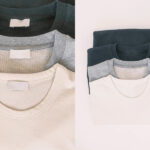
Many buyers think a polo shirt is just a polo shirt. In real product development, that is not true. Two polos can look similar in silhouette and still feel completely different in wear, styling, and long-term performance. One of the biggest reasons is fabric structure. This is where jersey and piqué create a clear split.
At Fusionknits, we define the main difference this way: a jersey polo shirt is smoother, softer, and more T-shirt-like, while a piqué polo shirt is more textured, more structured, and more traditionally connected to the classic polo category. Jersey polos usually feel cleaner and more relaxed. Piqué polos usually feel more breathable, more substantial, and more recognizably “polo.”
As a professional apparel manufacturer, we see this comparison often in sourcing and sampling. A buyer may ask for a premium casual polo but receive a sporty piqué. Another buyer may want a classic polo identity but choose jersey and lose the texture they expected. That is why the fabric choice matters so much. Jersey and piqué do not only change the hand feel. They change the full product language.
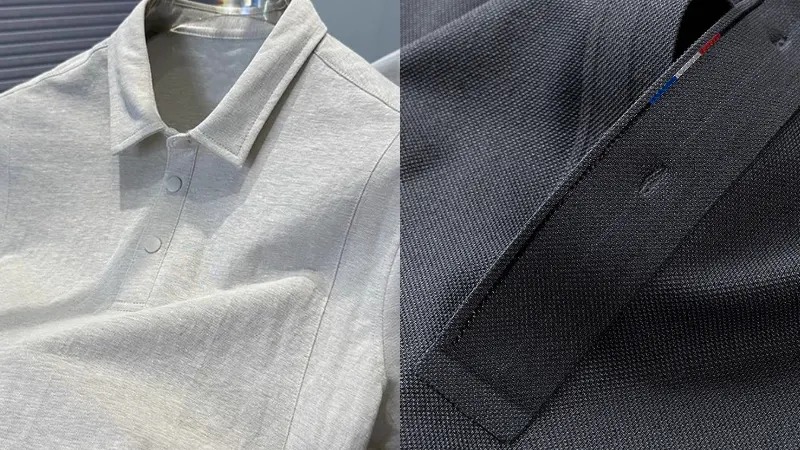
Why does fabric structure matter so much in a polo shirt?
A polo shirt sits between a T-shirt and a shirt, which means fabric structure does a lot of the visual work. The collar, placket, sleeve line, and body all depend on the fabric behaving correctly.
Fabric structure matters so much in a polo shirt because it controls texture, drape, breathability, support, and category identity. The same polo pattern can feel sporty, refined, soft, or classic depending on whether the fabric is jersey or piqué.
At Fusionknits, we usually say that polo fabric is not only a material decision. It is a positioning decision. A jersey polo often moves closer to premium basics or minimalist casualwear. A piqué polo often stays closer to classic sport-casual or traditional polo styling. Once the fabric changes, the whole garment speaks differently.
Why structure changes the product so much
- It changes the surface appearance
- It affects collar and placket support
- It influences heat and airflow
- It changes how the shirt drapes on the body
- It shapes whether the polo feels classic or modern
Why this matters in development
A polo is highly fabric-sensitive
Small changes in texture and body are easy to notice.
Customer expectation is visual and physical
People do not only see the difference. They also feel it immediately.
| Product factor | Why fabric structure matters |
|---|---|
| Surface | Changes first impression |
| Drape | Changes silhouette |
| Support | Affects collar and placket |
| Category identity | Changes how “classic” or “modern” the polo feels |
What is a jersey polo shirt?
A jersey polo shirt is a polo made from jersey knit fabric, which is the same broad knit family often used in T-shirts. It usually has a flatter and smoother face than piqué.

A jersey polo shirt is a polo made from smooth knit fabric with a flatter surface and softer hand feel. It usually feels lighter, cleaner, and more relaxed than a piqué polo, and often sits closer to premium basics or T-shirt-inspired casualwear.
At Fusionknits, jersey polos are often chosen when the goal is softness, simplicity, and modern casualwear. A good jersey polo can feel easy and refined at the same time. It works especially well when the brand wants a quieter, less sporty look.
Common jersey polo features
- Smooth surface
- Softer hand feel
- Less visible texture
- More fluid drape
- Cleaner minimalist appearance
Why brands choose jersey polos
They feel approachable
The shirt often feels familiar because the fabric is closer to a T-shirt.
They fit modern styling well
Jersey polos often work naturally in understated wardrobes.
| Fabric type | Main character |
|---|---|
| Jersey polo | Smooth, soft, and relaxed |
What is a piqué polo shirt?
A piqué polo shirt is a polo made from piqué knit fabric, which has a more textured, raised, or waffle-like surface. This is the fabric many people associate most strongly with the traditional polo shirt.
A piqué polo shirt is a polo made from textured knit fabric that usually offers more body, more airflow, and a more classic polo identity than jersey. It is one of the most traditional and recognizable polo constructions in the market.
At Fusionknits, piqué remains one of the most important polo fabrics because it supports the category’s original sport-casual spirit. It has enough surface texture to feel authentic and enough structure to support the collar and placket more naturally than many lighter jersey fabrics.
Common piqué polo features
- Textured surface
- More visible knit pattern
- Better body and structure
- Strong classic polo identity
- More breathable visual and physical feel
Why piqué remains so important
It defines the traditional polo look
Many customers expect a polo to have this kind of texture.
It balances comfort and structure
The shirt can feel sporty, wearable, and still visually stable.
| Fabric type | Main character |
|---|---|
| Piqué polo | Textured, structured, and classic |
Is the surface texture the biggest visible difference?
Yes, in most cases that is the first thing buyers notice. Jersey looks flatter and smoother. Piqué looks more dimensional and more obviously “polo-like.”
Yes, the biggest visible difference is the surface texture. Jersey polos have a cleaner and flatter face, while piqué polos have a more textured and raised appearance that creates stronger visual depth.
At Fusionknits, this difference is often enough to change the customer’s first judgment. A smooth jersey polo can feel more minimal and more refined. A textured piqué polo can feel more casual, more athletic, or more traditional depending on the rest of the design.
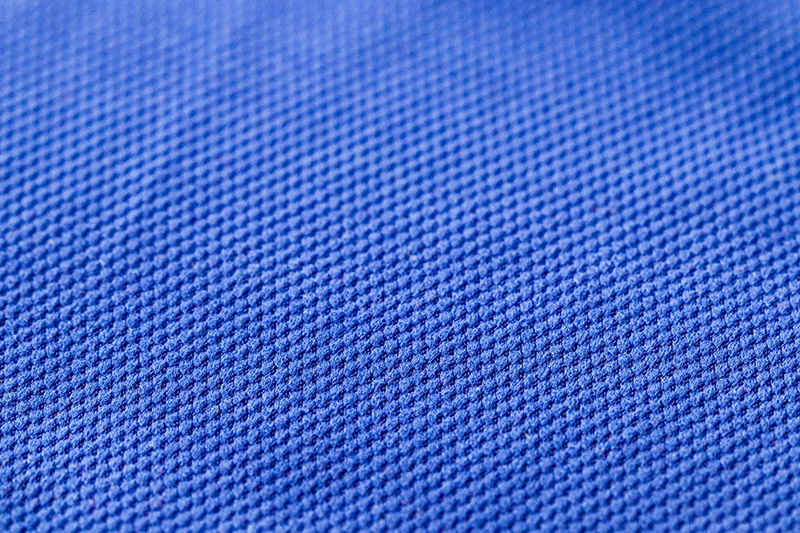
How jersey looks visually
- Flat and smooth
- More refined in a quiet way
- Less sporty in appearance
- More similar to upscale tees
How piqué looks visually
More texture
The knit pattern is part of the identity.
More category-specific
It looks immediately like a polo shirt to most customers.
| Surface look | Jersey | Piqué |
|---|---|---|
| Texture level | Lower | Higher |
| Visual depth | Smoother | More dimensional |
| Polo identity | Softer | Stronger |
Which one feels softer: jersey or piqué?
In most direct hand-feel comparisons, jersey usually feels softer first. Its flatter knit surface and more fluid hand often create a smoother touch against the skin.
Jersey usually feels softer than piqué because its surface is smoother and less textured. Piqué can still feel comfortable, but its hand feel is often slightly drier, firmer, or more structured compared with the softer touch of jersey.
At Fusionknits, we often recommend jersey when softness is one of the top product priorities. This is especially true in premium summer basics and minimalist casual polos. Piqué can still feel excellent, but the comfort story is different. It feels more breathable and structured than plush or silky.
Why jersey often feels softer
- Flatter knit surface
- More T-shirt-like touch
- More fluid skin contact
- Less raised texture
Why piqué comfort is still strong
It feels airy
The comfort may come more from breathability than from smoothness.
It feels substantial
Some customers prefer a firmer hand because it feels more traditional and stable.
| Hand-feel question | Stronger answer |
|---|---|
| Smooth softness | Jersey |
| Structured comfort | Piqué |
Which one is more breathable?
Piqué is often seen as more breathable because of its textured knit structure, which can create better airflow and keep the fabric from sitting too flat against the body. But the exact result still depends on weight and quality.

Piqué is often more breathable than jersey because its textured construction helps create more airflow and a less flat body-to-fabric relationship. Jersey can still breathe well, especially in lighter weights, but piqué usually has the stronger breathable identity in classic polo development.
At Fusionknits, this is one reason piqué remains so important in warm-weather polos and traditional sport-casual products. Jersey can work very well in lighter summer polos too, but piqué usually has the clearer natural advantage in classic polo ventilation.
Why piqué often breathes better
- More textured knit structure
- Less flat skin contact
- Strong airflow identity
- Better fit with warm-weather polos
Why jersey can still work well
Lightweight jersey can be very wearable
Breathability is still affected by fabric weight and yarn quality.
Softness can improve perceived comfort
A smooth fabric can still feel easy to wear in heat if the construction is right.
| Breathability question | Jersey | Piqué |
|---|---|---|
| Airy structure | Moderate | Stronger |
| Classic summer polo feel | Moderate | Stronger |
Which one holds shape better?
In many cases, piqué holds shape better because it has more body and support. This matters especially in the collar, placket, and upper body line.
Piqué usually holds shape better than jersey because its structure gives the garment more body and support. Jersey can drape more softly, but piqué often performs better when the goal is a cleaner collar, steadier placket, and more stable silhouette.
At Fusionknits, this is one of the biggest technical reasons to choose piqué for classic polos. A polo depends on more structure than a basic tee, and piqué often helps the garment maintain that structure more naturally.
Why piqué often feels more stable
- More knit body
- Better support under the collar
- Better front placket control
- Less flat collapse through the torso
Why jersey may still be preferred
Softer drape can be intentional
Not every polo needs a firm sport-casual posture.
Quality still matters within the jersey category.
| Shape question | Jersey | Piqué |
|---|---|---|
| Softer drape | Stronger | Moderate |
| Structural support | Moderate | Stronger |
This depends on what kind of premium image the brand wants. A jersey polo often looks more refined and minimal. A piqué polo often looks more classic and authentic. Both can look premium, but in different ways.
A jersey polo often looks more premium in minimalist or refined casualwear because of its smooth surface and quieter appearance. A piqué polo often looks more premium in traditional polo categories because of its texture, structure, and classic sportswear heritage.
At Fusionknits, we usually explain this as two different premium directions. Jersey gives a cleaner and more understated luxury. Piqué gives a more recognizable and heritage-led premium identity. Neither is automatically better. The stronger answer depends on brand language.
- Minimalist collections
- Quiet luxury basics
- Softer premium summer polos
- Cleaner fashion-led casualwear
Heritage polo collections
Texture supports authenticity.
Traditional smart-casual programs
The shirt feels more recognizable and category-correct.
| Premium direction | Better fabric |
|---|---|
| Minimal and refined | Jersey |
| Classic and authentic | Piqué |
Which one should brands choose?
The right answer depends on product role. Brands should not ask which fabric is better in general. They should ask which one matches the customer, styling direction, and end use more accurately.
At Fusionknits, brands should choose jersey when they want softness, cleaner drape, and a more modern or minimalist casual polo. Brands should choose piqué when they want stronger breathability, more classic polo texture, and a more traditional sport-casual identity.
A strong polo collection may even need both. One can serve as the clean premium option. The other can serve as the classic commercial option. Clear category planning is usually stronger than trying to force one fabric to solve every need.
When jersey is the better choice
- Soft casual polos
- Quiet premium basics
- Minimal summer polos
- Fashion-led casualwear
When piqué is the better choice
- Classic polo ranges
- Warm-weather casual polos
- Uniform and commercial polos
- Traditional sport-casual programs
| Brand goal | Better fabric choice |
|---|---|
| Modern softness and minimalism | Jersey |
| Classic polo identity and structure | Piqué |
Conclusion
The difference between a jersey polo shirt and a piqué polo shirt comes down mainly to texture, softness, structure, and category identity.
A jersey polo is smoother, softer, and more T-shirt-like, which makes it strong in modern casualwear and premium minimalist collections. A piqué polo is more textured, more breathable, and more structured, which makes it strong in classic polo categories and traditional sport-casual styling. Jersey usually feels softer and drapes more easily. Piqué usually holds shape better and looks more recognizably like a traditional polo.
At Fusionknits, we believe the best choice depends on product purpose. If the goal is softness, quiet refinement, and clean casualwear, jersey is often the stronger answer. If the goal is classic polo texture, better support, and a more authentic category look, piqué is usually the better direction. When brands understand this difference clearly, they develop stronger polos, choose better fabrics, and create collections with much better product logic.