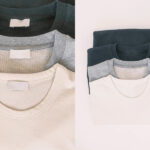
Many consumers use the terms lounge pants and pajamas interchangeably, but these garments are designed for different purposes. The differences affect fabric choice, fit development, comfort level, styling versatility, and even manufacturing construction.
The main difference between lounge pants and pajamas is that lounge pants are designed for both relaxation and casual daily wear, while pajamas are mainly designed for sleeping and nighttime comfort. Lounge pants usually offer more versatile styling and heavier fabrics, while pajamas prioritize softness and lightweight sleep comfort.
At Fusionknits, fabric selection and fit engineering are adjusted based on the intended use of the garment. Loungewear and sleepwear require different approaches to comfort, durability, and product positioning.
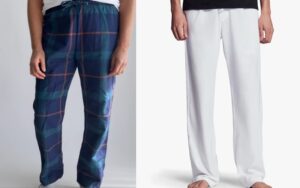
What Are Lounge Pants?
Lounge pants are designed for comfort beyond sleeping.
Lounge pants are relaxed-fit casual pants made for relaxing at home, casual wear, travel, and sometimes light outdoor activities.
Modern loungewear has expanded far beyond traditional home clothing.
Lounge Pants Focus On Versatility
Many consumers wear lounge pants for:
- Relaxing at home
- Working remotely
- Travel
- Casual errands
This versatility strongly influences product design.
Lounge Pants Often Use Heavier Fabrics
Common lounge pant fabrics include:
- French terry
- Fleece
- Cotton blends
- Jersey knits
These fabrics provide warmth and structure.
Relaxed Silhouettes Improve Comfort
Lounge pants usually feature:
- Loose leg openings
- Elastic waistbands
- Soft fabric construction
Comfort is the main priority.
Athleisure Influenced Loungewear Growth
Modern fashion trends increased demand for clothing that combines:
- Comfort
- Casual style
- Everyday functionality
Lounge pants became highly popular through athleisure culture.
At Fusionknits, modern loungewear manufacturing increasingly combines relaxed comfort with fashion-oriented silhouettes.
What Are Pajamas?
Pajamas are specifically designed for sleep.

Pajamas are lightweight sleepwear garments made to maximize nighttime comfort, breathability, and softness during rest.
Sleepwear requires different performance priorities than loungewear.
Pajamas Prioritize Sleep Comfort
Pajamas are designed mainly for:
- Sleeping
- Bedtime comfort
- Breathability during rest
Movement support matters less compared to active loungewear.
Lightweight Fabrics Are Common
Sleepwear often uses:
- Cotton jersey
- modal fabrics
- Lightweight cotton
- bamboo blends
These materials improve softness and airflow.
Pajama Fits Are Usually Simpler
Pajamas often feature:
- Straight-leg construction
- Loose fit
- Minimal structure
The focus is on unrestricted comfort during sleep.
Seasonal Sleepwear Uses Different Materials
Winter pajamas may use:
- Flannel
- Brushed cotton
- Lightweight fleece
Summer pajamas usually prioritize:
- Thin breathable fabrics
- Moisture absorption
Fabric weight strongly affects sleep comfort.
What Is The Biggest Difference Between Lounge Pants And Pajamas?
The main difference is how the garments are used.
Lounge pants are designed for both indoor and casual lifestyle use, while pajamas are mainly intended for sleeping and bedtime wear.
This difference changes construction, styling, and fabric selection.
Lounge Pants Support Daily Activities
Lounge pants are often suitable for:
- Sitting
- Walking outside
- Light movement
- Travel
This requires stronger durability and better structure.
Pajamas Focus On Sleep Functionality
Sleepwear prioritizes:
- Breathability
- Softness
- Lightweight comfort
Fashion styling is usually less important.
Lounge Pants Usually Look More Structured
Many lounge pants include:
- Jogger silhouettes
- Tapered ankles
- Pockets
- Thicker waistbands
This creates more casualwear versatility.
Pajamas Often Have Simpler Construction
Pajamas typically use:
- Lightweight seams
- Basic elastic waistbands
- Minimal trims
Reduced structure improves sleep comfort.
What Fabrics Are Used In Lounge Pants?
Lounge pants often use comfort-focused but durable fabrics.
Lounge pants commonly use cotton blends, French terry, fleece, jersey knits, and modal fabrics depending on season and product positioning.
Fabric selection strongly affects versatility.
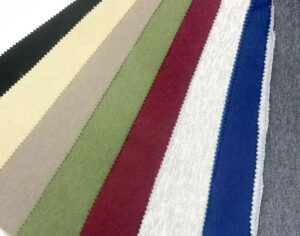
Cotton Blends Are Extremely Common
Cotton blends provide:
- Softness
- Durability
- Better wash stability
These fabrics work well for everyday comfort.
French Terry Supports Athleisure Styling
French terry offers:
- Breathability
- Moderate warmth
- Flexible movement
This fabric is highly popular in modern loungewear.
Fleece Improves Warmth
Fleece lounge pants are ideal for:
- Winter wear
- Home comfort
- Cold-weather lounging
Heavyweight fleece creates a cozy feel.
Modal Fabrics Feel More Luxurious
Modal provides:
- Smooth texture
- Lightweight softness
- Better drape
Premium loungewear increasingly uses modal blends.
At Fusionknits, loungewear fabric development focuses heavily on softness, durability, and long-term comfort.
What Fabrics Are Used In Pajamas?
Sleepwear fabrics prioritize softness and breathability.
Pajamas commonly use lightweight cotton, modal fabrics, bamboo blends ), silk, and jersey knit fabrics to improve sleep comfort and airflow.
Fabric feel is especially important in sleepwear.
Cotton Is Highly Popular For Pajamas
Cotton provides:
- Breathability
- Softness
- Moisture absorption
This makes it suitable for year-round sleepwear.
Modal Improves Softness
Modal fabrics create:
- Smooth surface texture
- Lightweight feel
- Cooling comfort
Modal is becoming increasingly popular in premium pajamas.
Bamboo Fabrics Improve Breathability
Bamboo blends often provide:
- Moisture management
- Soft touch
- Cooling effect
These fabrics work well in warm climates.
Silk Pajamas Target Luxury Markets
Silk sleepwear offers:
- Smooth texture
- Lightweight elegance
- Premium appearance
However, silk requires more delicate care.
Are Lounge Pants More Stylish Than Pajamas?
Modern loungewear increasingly overlaps with casual fashion.

Lounge pants are generally more stylish and versatile than pajamas because they are designed for both comfort and casual public wear.
Fashion trends strongly influenced loungewear evolution.
Athleisure Changed Consumer Expectations
Consumers increasingly want clothing suitable for:
- Home
- Travel
- Casual outings
Lounge pants fit these lifestyle changes perfectly.
Modern Loungewear Uses Fashion Silhouettes
Popular lounge pant styles include:
| Style Type | Common Feature |
|---|---|
| Jogger lounge pants | Tapered ankles |
| Wide-leg lounge pants | Relaxed drape |
| Straight-leg lounge pants | Minimalist styling |
These styles resemble casual fashion products.
Pajamas Prioritize Function Over Style
Sleepwear usually focuses more on:
- Relaxed fit
- Soft texture
- Lightweight comfort
Visual structure is less important.
Minimalist Fashion Increased Loungewear Popularity
Modern consumers increasingly prefer:
- Neutral colors
- Relaxed silhouettes
- Soft fabrics
This boosted demand for premium loungewear.
Which Is Better For Daily Wear?
Daily wear depends on comfort and versatility.
Lounge pants are usually better for daily wear because they provide more structure, durability, and casual styling flexibility than pajamas.
Many consumers now wear loungewear outside the home.
Lounge Pants Handle Movement Better
Daily activities require:
- More durable fabrics
- Better shape retention
- Functional pockets
Loungewear construction supports these needs.
Pajamas Are Better For Sleeping
Sleepwear fabrics prioritize:
- Lightweight comfort
- Reduced restriction
- Breathability during rest
These features are less suitable for outdoor use.
Lounge Pants Often Use Better Construction
Many lounge pants include:
- Reinforced stitching
- Better waistbands
- Structured silhouettes
This improves versatility.
Hybrid Products Are Becoming Popular
Some modern products combine:
- Pajama softness
- Loungewear styling
This creates more versatile comfort apparel.
At Fusionknits, hybrid comfortwear products are becoming increasingly common in modern apparel collections.
How Do Manufacturers Design Lounge Pants And Pajamas Differently?
Product purpose strongly affects garment development.
Manufacturers design lounge pants and pajamas differently based on fabric weight, fit engineering, construction methods, and comfort priorities.
Each category requires different production strategies.
Loungewear Requires More Durable Construction
Lounge pants often need:
- Stronger seams
- Better stretch recovery
- More structured fit
This improves daily wear performance.
Pajamas Prioritize Lightweight Comfort
Sleepwear focuses on:
- Reduced fabric bulk
- Softer seams
- Breathable construction
Comfort during rest remains the priority.
Waistband Construction Changes
Lounge pants may use:
- Thick elastic waistbands
- Drawcord systems
Pajamas often use:
- Softer elastic
- Simpler waistband construction
Fabric Weight Is Carefully Controlled
Different categories require different GSM ranges:
| Product Type | Common GSM Range |
|---|---|
| Lightweight pajamas | 140–200 GSM |
| Lounge pants | 220–350 GSM |
Weight strongly affects warmth and structure.
What Trends Are Influencing Loungewear And Sleepwear?
Comfortwear continues evolving rapidly.
Modern loungewear and sleepwear trends focus on sustainability, soft-touch fabrics, relaxed silhouettes, and versatile comfort-focused apparel.
Consumer lifestyles strongly influence product development.
Remote Work Increased Loungewear Demand
Consumers increasingly prefer clothing suitable for:
- Working from home
- Relaxing
- Casual wear
This expanded the loungewear market significantly.
Sustainable Fabrics Are Growing
Many brands now use:
- Organic cotton
- bamboo blends
- Recycled fibers
Eco-friendly comfortwear continues gaining popularity.
Minimalist Styling Dominates
Modern comfortwear often uses:
- Neutral colors
- Clean silhouettes
- Simple branding
Minimalism strongly influences current trends.
Soft-Touch Fabrics Continue Growing
Consumers increasingly prioritize:
- Smooth texture
- Lightweight softness
- Stretch comfort
Fabric feel now strongly affects purchasing decisions.
Conclusion
The main difference between lounge pants and pajamas is that lounge pants are designed for both casual daily wear and relaxation, while pajamas are mainly intended for sleeping and nighttime comfort. Lounge pants usually use more structured and durable fabrics, while pajamas prioritize lightweight softness and breathability.
At Fusionknits, loungewear and sleepwear manufacturing focuses on fabric comfort, fit engineering, and long-term wearability. Careful material selection and product development help create garments that balance comfort, functionality, and modern lifestyle preferences across different comfortwear categories.