Many customers believe comfort in loungewear is only about softness, but comfort is a combination of touch, breathability, stretch, and durability. The wrong material can feel heavy, itchy, or restrictive, which defeats the purpose of loungewear.
At Fusionknits, we define the most comfortable loungewear material as one that combines soft hand feel, gentle stretch, breathability, and consistent recovery. Fabrics that achieve this balance include cotton blends, modal, bamboo, and polyester-spandex knits, depending on the intended wear context. Comfort is not only subjective—it is measurable through fabric performance, drape, stretch, and wear tests.
As a professional apparel manufacturer, we emphasize that material selection is the foundation of any high-quality loungewear set. Even the best design fails if the material feels restrictive, rough, or unstable over time. Comfort drives repeat use and loyalty, making it the most critical factor in loungewear production.
Why fabric choice determines loungewear comfort
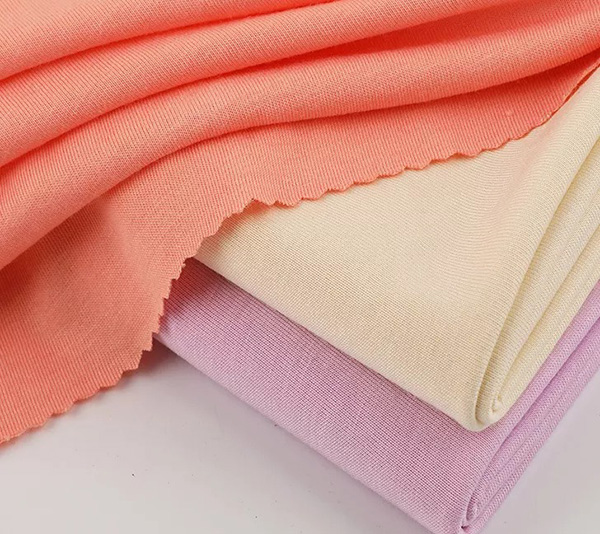
Comfort in loungewear is influenced by the physical properties of the fabric. Softness, stretch, weight, and breathability interact to determine how a garment feels during prolonged wear.
At Fusionknits, we consider fabric choice the most critical decision in loungewear manufacturing. Cotton blends provide softness and moisture absorption. Modal offers smooth hand feel and drape. Bamboo delivers natural breathability. Polyester-spandex blends provide stretch and recovery, which helps garments maintain shape during use.
Comfort also depends on the balance between warmth and ventilation. A heavy knit may feel cozy but can trap heat. A lightweight knit may breathe better but feel less substantial. Selecting a material that aligns with intended use, season, and lifestyle is essential.
Key material factors for comfort
- Soft hand feel
- Stretch and recovery
- Breathability and moisture management
- Weight and drape
- Longevity under repeated wear
- Hypoallergenic properties
Why these factors matter
Fabric touch affects immediate perception
The hand feel determines whether a garment feels inviting and relaxing.
Stretch and recovery impact movement
Loungewear must allow easy sitting, bending, and stretching without restriction.
Breathability affects long-term comfort
Moisture-wicking or breathable materials prevent overheating and irritation.
| Material factor | Comfort effect |
|---|---|
| Softness | Enhances tactile experience |
| Stretch | Supports natural movement |
| Breathability | Prevents overheating |
| Weight | Balances warmth and airflow |
Common fabrics used in comfortable loungewear
There are several fabrics consistently favored for high-comfort loungewear. Each has its advantages depending on climate, activity level, and aesthetic goals.

At Fusionknits, the most popular loungewear materials include:
- Cotton and cotton blends: soft, breathable, versatile
- Modal: smooth, drapey, resistant to shrinkage
- Bamboo: naturally soft, moisture-absorbing, eco-friendly
- Polyester-spandex: provides stretch, recovery, and durability
- Brushed fleece: cozy for colder climates
- Interlock knits: soft, stable, and consistent in shape
Each fabric type supports different loungewear priorities. Cotton is universally appealing for softness and breathability. Modal and bamboo feel smoother and drape well. Polyester-spandex blends are ideal for stretch and movement without sagging. Brushed fleece offers warmth and plushness. Interlock knits provide a balance of comfort, recovery, and structure.
Fabric selection guidelines
- Cotton: ideal for casual, everyday loungewear
- Modal: premium soft feel and drape, good for lightweight sets
- Bamboo: eco-conscious customers, naturally breathable
- Polyester-spandex: active or stretch-focused loungewear
- Fleece: colder weather comfort
- Interlock: versatile, stable, and durable
| Fabric | Ideal use |
|---|---|
| Cotton | Home, casual, year-round |
| Modal | Lightweight, smooth, premium sets |
| Bamboo | Breathable, eco-conscious lifestyle |
| Polyester-spandex | Stretchy, movement-heavy use |
| Fleece | Cozy, winter-focused |
| Interlock | Balanced comfort and stability |
How fabric blends enhance loungewear comfort
Blending fibers allows manufacturers to combine the advantages of each material. A cotton-modal blend increases softness and drape, while a polyester-spandex blend adds stretch and durability.
At Fusionknits, we often recommend blends for optimized comfort. A cotton-spandex blend provides soft touch with added elasticity. A bamboo-modal blend combines smoothness, breathability, and eco-friendly appeal. Blended fabrics allow loungewear sets to meet multiple comfort priorities simultaneously.
Blending also reduces shrinkage, improves washability, and maintains consistent shape over repeated use, which is critical for close-fit garments like leggings and lounge pants.
Blend examples
- Cotton + spandex: soft and stretchy, everyday lounge and active sets
- Modal + spandex: smooth drape with stretch, premium loungewear
- Bamboo + cotton: soft, breathable, eco-friendly
- Polyester + spandex: durable, shape-retaining, training-friendly loungewear
| Blend | Key comfort benefits |
|---|---|
| Cotton + spandex | Softness + stretch |
| Modal + spandex | Smooth drape + recovery |
| Bamboo + cotton | Breathable + eco-conscious |
| Polyester + spandex | Durable + shape-retaining |
How knit construction affects comfort
The way the fabric is knitted also influences comfort. Different knits control stretch, weight, drape, and hand feel.
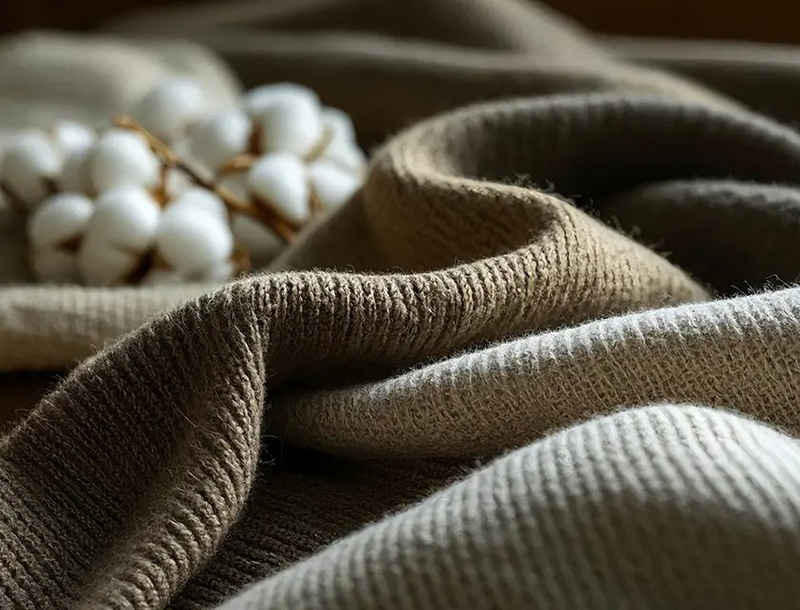
At Fusionknits, we use constructions such as interlock, jersey, rib, and brushed knits to enhance comfort. Interlock knits are stable with soft feel. Jersey knits are lightweight and breathable. Rib knits provide stretch and recovery. Brushed knits add warmth and a plush touch.
The combination of fiber choice and knit structure determines how the fabric performs in motion, how it drapes on the body, and how it feels against the skin.
Knit types and performance
- Interlock: soft, smooth, stable
- Jersey: light, breathable, flexible
- Rib: stretchy, form-fitting
- Brushed fleece: cozy, insulating
| Knit | Comfort effect |
|---|---|
| Interlock | Balanced softness and stability |
| Jersey | Lightweight, breathable |
| Rib | Stretch and recovery |
| Brushed fleece | Warmth and plush feel |
Why fabric finishing matters
Finishing processes can further enhance comfort. Brushing, softening, and enzyme treatments reduce surface stiffness and enhance the tactile feel.
At Fusionknits, finishing is crucial in loungewear production. Brushed surfaces increase softness, enzyme washes smooth the fibers, and special finishing techniques reduce pilling and maintain color vibrancy. These details ensure that loungewear feels consistently comfortable over multiple wears and washes.
Finishing also helps fabrics resist shrinkage and retain shape, which is important for garments that are worn close to the body and washed frequently.
Key finishing benefits
- Softer surface
- Smooth texture
- Reduced pilling
- Maintains color and shape
- Enhanced long-term comfort
| Finish | Effect on comfort |
|---|---|
| Brushing | Increases plush softness |
| Enzyme wash | Smooths fibers |
| Anti-pilling | Maintains hand feel over time |
How customer preferences influence material selection
Comfort is also subjective. Some customers prioritize softness, others prioritize stretch or breathability. A successful loungewear brand must align material choices with target preferences.

At Fusionknits, we advise that brands conduct testing across demographics to understand what material combinations feel best for their customer base. Surveys, wear trials, and small production tests are critical to confirm which fabrics deliver maximum comfort for the intended audience.
Brands that optimize both fabric choice and knit structure can create loungewear sets that appeal widely while maintaining functional performance and long-term satisfaction.
Considerations for material selection
- Target demographic preferences
- Climate and seasonal use
- Lifestyle requirements (relaxed, active, travel)
- Laundering convenience
- Long-term durability
| Customer factor | Material implication |
|---|---|
| Preference for softness | Cotton or modal blends |
| Need for stretch | Spandex blends |
| Climate | Brushed fleece for winter, jersey for summer |
| Travel | Lightweight, quick-dry fabrics |
Conclusion
The most comfortable material for loungewear combines softness, stretch, breathability, and recovery. Cotton blends, modal, bamboo, and polyester-spandex knits are commonly used to balance these qualities.
Knit structure, finishing, and fiber blends all influence how a garment feels against the skin, how it drapes, and how it performs in repeated wear and laundering.
At Fusionknits, we emphasize that comfort is a holistic outcome of fabric selection, knit structure, finishing, and design. The most comfortable loungewear materials are those that feel soft, move with the body, maintain shape over time, and provide an inviting touch for extended wear. Proper material selection ensures loungewear sets remain functional, cozy, and versatile for home, travel, and casual daily use.