Many consumers buy loungewear expecting comfort, only to discover that not all fabrics feel the same after a few washes. Some materials feel incredibly soft in the fitting room but quickly lose their smooth texture after regular wear. Others maintain their luxurious feel for years. For apparel brands, choosing the right fabric is one of the most important decisions when developing a successful loungewear collection.
The softest materials for loungewear are typically modal, bamboo viscose, premium cotton, and their blended variations. Among these options, modal is often considered the softest because of its silky texture, excellent breathability, moisture management, and ability to maintain softness after repeated washing. However, the best fabric depends on balancing softness, durability, stretch, and the intended use of the garment.
As comfort continues to drive consumer purchasing decisions, understanding the characteristics of different fabrics has become essential for manufacturers, retailers, and apparel brands looking to create premium loungewear products.
Why Does Fabric Softness Matter So Much in Loungewear?
Loungewear serves a very different purpose than activewear, formalwear, or even casual everyday clothing. People wear loungewear to relax, unwind, work from home, travel, and enjoy extended periods of comfort.
Fabric softness is important because loungewear is often worn for many hours at a time. A soft fabric improves comfort, minimizes skin irritation, enhances relaxation, and creates the cozy experience consumers expect from lounge apparel.
Comfort Is the Core Function of Loungewear
Unlike performance garments that prioritize athletic functionality, loungewear focuses on comfort above all else.
Consumers typically look for:
- A soft touch against the skin
- Freedom of movement
- Breathability
- Lightweight comfort
- Minimal friction
If a fabric feels rough or restrictive, consumers are unlikely to reach for it repeatedly.
Soft Fabrics Create Emotional Value
Comfort is not just physical. It also affects how people feel emotionally.
Soft fabrics often create feelings of:
- Relaxation
- Security
- Warmth
- Luxury
- Well-being
This emotional connection is one reason why consumers are willing to pay more for premium loungewear.
Softness Influences Brand Perception
Many shoppers associate softness with quality.
| Fabric Experience | Consumer Perception |
|---|---|
| Soft and smooth | Premium quality |
| Rough or stiff | Low quality |
| Maintains softness | Durable and valuable |
| Loses softness quickly | Poor investment |
As a result, fabric selection directly impacts customer satisfaction and repeat purchases.
Is Modal the Softest Material for Loungewear?
Modal has become one of the most popular fabrics in premium loungewear collections.

Many industry professionals consider modal the softest loungewear fabric because it offers a silky hand feel, excellent drape, breathability, and long-lasting softness that remains consistent after repeated washing.
What Exactly Is Modal?
Modal is a semi-synthetic fiber made from beech tree pulp.
It belongs to the rayon family but undergoes additional processing that improves its strength and performance.
The result is a fabric that combines the softness of natural fibers with the durability of modern textile engineering.
Why Modal Feels So Soft
Several characteristics contribute to modal's exceptional softness:
Smooth Fiber Structure
Modal fibers have a naturally smooth surface.
This reduces friction against the skin and creates a luxurious feel.
Excellent Drape
Modal fabrics flow naturally with the body.
This creates a lightweight and comfortable wearing experience.
Moisture Absorption
Modal absorbs moisture effectively.
This helps prevent the sticky feeling that can occur with some synthetic fabrics.
Advantages of Modal for Loungewear
- Extremely soft texture
- Lightweight feel
- Excellent breathability
- Moisture-wicking properties
- Resistance to shrinking
- Long-lasting softness
These qualities make modal one of the most desirable fabrics for premium lounge collections.
How Does Bamboo Compare to Modal?
Bamboo fabric has become increasingly popular among both consumers and sustainable fashion brands.
Bamboo viscose offers softness that rivals modal while providing excellent breathability, moisture management, and temperature regulation. Many consumers describe bamboo fabric as feeling similar to cashmere or silk.
Why Bamboo Fabric Feels Luxurious
Bamboo fibers create an exceptionally smooth surface.
This results in:
- Minimal skin irritation
- A silky hand feel
- Lightweight comfort
- Natural drape
Many consumers are surprised by how soft bamboo fabric feels compared to traditional cotton.
Additional Benefits of Bamboo
Beyond softness, bamboo offers several performance advantages.
Temperature Regulation
Bamboo helps regulate body temperature throughout the year.
This makes it suitable for both warm and cool environments.
Moisture Management
Bamboo absorbs and releases moisture efficiently.
This helps maintain comfort during extended wear.
Breathability
The fabric allows airflow and reduces overheating.
Modal vs Bamboo Comparison
| Feature | Modal | Bamboo Viscose |
|---|---|---|
| Softness | Excellent | Excellent |
| Breathability | Excellent | Excellent |
| Moisture Management | Excellent | Very Good |
| Durability | Very Good | Good |
| Drape | Excellent | Very Good |
| Sustainability | Good | Good |
Both materials perform exceptionally well in premium loungewear products.
Is Cotton Still a Good Choice for Soft Loungewear?
Cotton remains one of the most widely used textile fibers in the world.
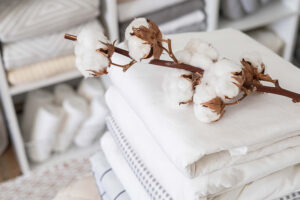
Premium cotton continues to be an excellent loungewear fabric because it combines natural softness, breathability, durability, and consumer familiarity. However, not all cotton fabrics provide the same level of comfort.
Understanding Cotton Quality
The softness of cotton depends heavily on fiber length.
Long-staple cotton varieties generally produce softer fabrics.
Premium examples include:
- Pima Cotton
- Supima Cotton
- Egyptian Cotton
These fibers create smoother yarns and softer fabrics.
Advantages of Cotton
Consumers continue to choose cotton because it offers:
- Natural comfort
- High breathability
- Skin-friendly properties
- Easy care
- Long-term durability
Potential Drawbacks
Cotton also has limitations.
These may include:
- Shrinkage after washing
- Wrinkling
- Slower drying time
- Loss of softness over time
Many manufacturers address these issues through blending and fabric treatments.
Why Are Fabric Blends So Popular in Modern Loungewear?
Pure fabrics offer advantages, but blends often deliver better overall performance.
Modern fabric blends combine softness, stretch, recovery, durability, and comfort. They allow manufacturers to enhance fabric performance while maintaining a luxurious feel.
Cotton-Spandex Blends
One of the most common loungewear combinations.
Benefits include:
- Improved flexibility
- Better shape retention
- Enhanced comfort
- Reduced sagging
Modal-Spandex Blends
This blend has become a premium favorite.
Advantages include:
- Silky softness
- Excellent stretch
- Improved recovery
- Smooth body-contouring fit
Bamboo-Spandex Blends
These fabrics offer:
- Exceptional softness
- Comfortable elasticity
- Better durability than pure bamboo fabrics
Popular Blend Comparison
| Blend Type | Softness | Stretch | Recovery | Durability |
|---|---|---|---|---|
| Cotton-Spandex | High | High | High | High |
| Modal-Spandex | Very High | High | High | High |
| Bamboo-Spandex | Very High | High | Moderate | Good |
| Cotton-Modal | Very High | Moderate | High | High |
Blends help manufacturers create fabrics that satisfy multiple consumer expectations.
What Other Factors Affect Fabric Softness?
Fiber selection is only one part of the equation.

Yarn quality, fabric construction, finishing treatments, and garment engineering all contribute to how soft a finished garment feels.
Yarn Quality
Higher-quality yarns create smoother fabrics.
Important factors include:
- Fiber length
- Yarn consistency
- Spinning technology
- Surface smoothness
Premium yarns produce superior softness.
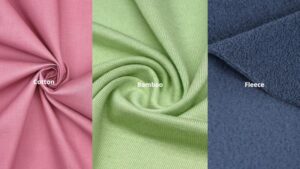
Fabric Construction
Different knitting methods affect texture.
Common constructions include:
Jersey Knit
- Soft
- Lightweight
- Flexible
French Terry
- Smooth exterior
- Soft interior loops
- Moderate warmth
Fleece
- Brushed interior
- Plush texture
- Excellent insulation
Finishing Treatments
Manufacturers often enhance softness through specialized finishing.
Examples include:
- Enzyme washing
- Brushing
- Sand washing
- Peach finishing
These fabric finishing treatments create smoother surfaces and improve hand feel.
Which Material Is Best for Different Types of Loungewear?
Different lounge products require different fabric characteristics.
The ideal material depends on the garment category, desired fit, and target customer.
Lounge Leggings
Recommended fabrics:
- Modal-Spandex
- Cotton-Spandex
- Bamboo-Spandex
Key requirements:
- Stretch
- Recovery
- Softness
Lounge Tops
Recommended fabrics:
- Modal Jersey
- Cotton Modal Blends
- Bamboo Jersey
Key requirements:
- Breathability
- Lightweight comfort
Hoodies and Sweatshirts
Recommended fabrics:
- Brushed Cotton Fleece
- Cotton Polyester Fleece
- Bamboo Fleece
Key requirements:
- Warmth
- Soft interior surface
Pajamas and Sleepwear
Recommended fabrics:
- Modal
- Bamboo
- Premium Cotton
Key requirements:
- Skin comfort
- Temperature regulation
How Is Fabric Innovation Shaping the Future of Loungewear?
Consumer expectations continue to evolve.
Future loungewear fabrics will focus on delivering greater softness, improved sustainability, enhanced durability, and multifunctional performance.
Emerging Textile Technologies
Manufacturers are investing in:
- Ultra-fine fibers
- Temperature-regulating fabrics
- Moisture-management technologies
- Anti-odor treatments
These innovations improve comfort and product longevity.
Sustainability Continues to Grow
Consumers increasingly prefer environmentally responsible fabrics.
Popular choices include:
- Organic cotton
- Bamboo-derived fibers
- Responsible modal
- Recycled material blends
These options allow brands to combine comfort with sustainability.
The Rise of Hybrid Comfort Fabrics
Future consumers will expect one garment to serve multiple purposes.
Modern fabrics increasingly combine:
- Lounge comfort
- Activewear flexibility
- Travel convenience
- Everyday durability
This trend is reshaping fabric development across the apparel industry.
Conclusion
The softest material for loungewear depends on the balance between softness, breathability, durability, and intended use. Modal is widely regarded as one of the softest fabrics available due to its silky texture, moisture management capabilities, and ability to maintain softness over time. Bamboo viscose closely follows, offering exceptional comfort, breathability, and temperature regulation. Premium cotton remains a trusted choice because of its natural feel, versatility, and broad consumer appeal.
While softness remains the primary consideration, modern consumers also expect stretch, durability, easy care, sustainability, and long-lasting performance. This has led many apparel brands to adopt advanced fabric blends that combine the best characteristics of multiple fibers. Modal-spandex, bamboo-spandex, and cotton-modal blends continue to gain popularity because they provide an ideal balance between luxury and practicality.
At Fusionknits, we specialize in manufacturing premium loungewear using carefully selected fabrics, advanced production techniques, and rigorous quality control standards. By combining innovative materials with expert craftsmanship, Fusionknits helps apparel brands develop soft, durable, and comfortable loungewear collections that meet the demands of today's global market.