Selecting the right material is crucial for producing high-quality cardigans. The choice of fabric directly affects comfort, durability, drape, warmth, and overall appearance. Different markets and consumer expectations also influence fabric selection for cardigan production.
Materials for cardigans should balance softness, stretch, warmth, and resilience. Natural fibers like cotton, wool, and cashmere provide comfort and luxury, while blended fabrics enhance durability, shape retention, and ease of care.
Fusionknits manufactures cardigans for wholesale brands across North America, Europe, and Australia. Data from production tests indicate that material choice must align with product purpose, market positioning, and end-consumer expectations.
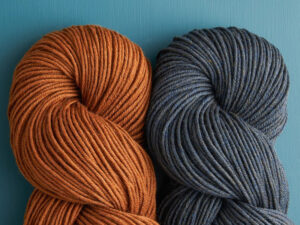
Why Are Natural Fibers Commonly Used for Cardigans?
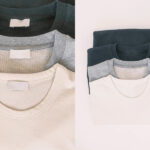
Natural fibers are widely recognized for their softness, breathability, and luxurious feel. Cardigans often rely on these fibers to achieve premium comfort.
Cotton, wool, and cashmere are popular because they provide softness, insulation, and a natural drape that enhances garment aesthetics.
Advantages of natural fibers
- Comfortable and skin-friendly
- Breathable and moisture-regulating
- Good drape and appearance
- Perceived as premium by consumers
Considerations in production
| Fiber | Characteristics | Common Uses |
|---|---|---|
| Cotton | Soft, breathable, lightweight | Casual and spring/summer cardigans |
| Wool | Warm, insulating, resilient | Fall and winter cardigans |
| Cashmere | Luxuriously soft, lightweight, insulating | Premium and high-end collections |
Natural fibers are ideal for consumer-facing comfort but require attention to care instructions and shrinkage control during manufacturing.
What Are the Limitations of Using 100% Natural Fibers?
While natural fibers offer comfort and luxury, they have certain production and performance limitations.

100% natural fibers can shrink, lose shape, pill, or stretch over time, especially if not properly treated or blended.
Common issues
- Shrinkage after washing or dry cleaning
- Pilling with friction
- Stretching at cuffs, collars, and hems
- Higher cost compared to synthetic alternatives
Manufacturing experience shows that while natural fibers appeal to premium buyers, blending them with synthetic fibers can mitigate these issues without significantly compromising comfort.
How Do Blended Fabrics Improve Cardigan Performance?
Blends combine natural fibers with synthetic fibers like polyester, nylon, or acrylic. They maintain comfort while improving durability, shape retention, and ease of care.
Blended fabrics provide consistent performance over time, reduce pilling and shrinkage, and enhance garment recovery.
Common blends
| Blend Composition | Key Benefit |
|---|---|
| 70% Wool / 30% Nylon | Improved durability and shape retention |
| 80% Cotton / 20% Polyester | Reduced shrinkage, easy-care, soft hand feel |
| 60% Cashmere / 40% Wool | Luxurious feel with enhanced structure |
| 50% Wool / 50% Acrylic | Cost-effective, resilient, maintains warmth |
Performance advantages
- Enhanced dimensional stability
- Resistance to wear and tear
- Improved washability and care
- Better price-to-quality ratio for wholesale production
Blends enable manufacturers to produce cardigans suitable for both premium and mid-range markets.
How Does Fabric Weight Affect Cardigan Quality?
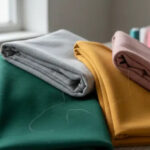
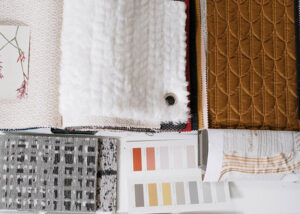
Fabric weight affects warmth, drape, and perceived quality. Lightweight fabrics offer softness and breathability, while heavier fabrics provide insulation and structure.
Proper selection of fabric weight ensures cardigans meet seasonal needs and consumer expectations.
Typical GSM ranges
| GSM | Application |
|---|---|
| 200–250 | Lightweight spring/summer cardigans |
| 250–350 | Standard autumn/winter cardigans |
| 350–450 | Heavyweight premium cardigans for cold climates |
- Lightweight fabrics: soft, breathable, ideal for layering
- Medium weight: balanced warmth, versatile for multiple seasons
- Heavyweight fabrics: structured, premium feel, suitable for winter
What Are the Benefits of Knitting Techniques in Cardigan Fabric Selection?
Knitting technique directly impacts the fabric’s elasticity, drape, and durability. Common knitting methods include jersey, rib, cable, and interlock.
Knitting technique should be matched with fiber choice to enhance cardigan performance.
Knitting methods
| Technique | Characteristics | Best Fiber Choices |
|---|---|---|
| Jersey | Lightweight, flexible, smooth | Cotton, wool blends |
| Rib | Stretchable, structured | Wool, cotton-spandex blends |
| Cable | Textured, thick | Wool, acrylic blends |
| Interlock | Dense, smooth, stable | Cotton, wool, cashmere blends |
Knitting affects recovery, pilling, and garment longevity, which are critical in B2B production for wholesale markets.
How Do Market Preferences Influence Cardigan Material Choices?
Consumer expectations vary by region, season, and price segment. Material choice must align with these factors to achieve market success.
North American buyers prioritize durability and ease of care, European markets value luxury and natural fibers, and Australian markets favor lightweight, breathable fabrics.
| Market | Preference | Recommended Material |
|---|---|---|
| North America | Durability, easy-care | Cotton-polyester blends, wool-nylon blends |
| Western Europe | Luxury, softness | Cashmere blends, high-quality wool |
| Australia | Lightweight, breathable | Cotton blends, lightweight wool |
Understanding these preferences ensures cardigans meet both wholesale client and end-consumer expectations.
How Does Fabric Affect Cardigan Customization?
Material choice influences customization options such as embroidery, printing, and dyeing.
Natural fibers can absorb dyes well and offer vibrant colors, while blended fabrics improve durability and maintain print integrity.
Customization considerations
- Embroidery: best on wool blends or cotton-poly blends for shape retention
- Dyeing: natural fibers provide depth, blends reduce color loss
- Care instructions: blends allow machine wash, reducing returns
Proper fabric selection enhances product appeal and reduces quality complaints from wholesale clients.
What Are Emerging Trends in Cardigan Fabrics?
Trends focus on comfort, sustainability, and performance. Consumers increasingly value eco-friendly and sustainable fibers.
Future-ready cardigans combine natural fiber comfort with sustainable or recycled fibers to meet market demand.
Key trends
- Organic cotton blends for eco-conscious buyers
- Recycled wool or polyester for sustainability
- Cashmere blends with nylon for durability
- Lightweight technical blends for layering and performance
Staying ahead of these trends ensures that cardigans remain competitive and aligned with brand positioning.
How Should Brands Select the Right Material for Cardigans?
Choosing the best material requires evaluating fiber type, fabric weight, knitting technique, market preferences, and intended use.
The optimal choice balances comfort, durability, appearance, cost, and ease of care to deliver long-lasting and attractive cardigans.
Selection framework
- Intended use: casual, layering, premium, or performance
- Market: climate, consumer expectations, price sensitivity
- Fabric composition: natural, synthetic, or blended
- Knitting method: structure, elasticity, drape
- Care and durability requirements: washing, shrinkage, pilling
| Priority | Recommended Material |
|---|---|
| Maximum comfort | 100% cotton, cashmere, or wool |
| Durability | Wool-nylon or cotton-polyester blends |
| Luxury appeal | Cashmere-wool blends |
| Cost efficiency | Wool-acrylic blends or cotton-polyester blends |
| Seasonal suitability | Lightweight cotton blends for summer, heavyweight wool blends for winter |
How Is Quality Ensured in Cardigan Production?
Pre-production testing ensures consistent quality for wholesale clients. Fusionknits conducts comprehensive evaluations of every batch.
Tests include shrinkage, stretch, pilling, colorfastness, and customization durability.
Testing checklist
- Wash tests: evaluate shrinkage and dimensional stability
- Stretch and recovery: cuffs, hems, and collars
- Pilling resistance: simulate wear over time
- Colorfastness: repeated washing and light exposure
- Customization durability: embroidery, printing, and dye stability
These procedures ensure cardigans maintain quality and performance over time, enhancing brand reputation for wholesale clients.
Conclusion
Selecting the right material for cardigans requires a careful balance of comfort, durability, appearance, and market expectations. Natural fibers like cotton, wool, and cashmere provide softness, warmth, and luxury, making them ideal for casual, premium, and lifestyle garments. However, 100% natural fibers have limitations, including shrinkage, pilling, and reduced shape retention.
Blended fabrics address these limitations by combining natural fibers with synthetics such as polyester, nylon, or acrylic. Blends enhance durability, reduce shrinkage, improve recovery, and maintain ease of care, while still preserving comfort and premium hand feel. Fabric weight, knitting technique, and regional market preferences further guide material selection to ensure garments meet seasonal and functional requirements.
Fusionknits emphasizes rigorous pre-production testing and quality control, including dimensional stability, pilling, colorfastness, and customization compatibility. By integrating material knowledge with production experience, brands can produce cardigans that satisfy end consumers, perform consistently over time, and align with market trends and sustainability expectations. Selecting the optimal material ensures cardigans deliver both aesthetic appeal and long-term value in wholesale markets.