Choosing the right sweater can be surprisingly difficult. The market offers countless options, from wool pullovers and cashmere knits to cotton crew necks and performance sweaters. Many buyers focus on style first, but the wrong sweater can feel uncomfortable, wear out quickly, or fail to provide the warmth they expect.
The best type of sweater depends on its intended use. For warmth, wool sweaters are usually the best choice. For luxury and softness, cashmere sweaters stand out. For everyday versatility, cotton sweaters perform well. Brands often achieve the best balance of comfort, durability, and cost by using carefully selected fiber blends.
As a sweater manufacturer, I have seen how different materials, knitting methods, and garment constructions affect performance. A sweater that works perfectly for winter layering may not be suitable for office wear or active lifestyles. Understanding these differences helps buyers make better sourcing and purchasing decisions.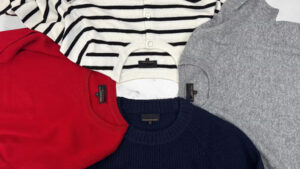
Why Does Sweater Material Matter So Much?
Many consumers focus on appearance. However, the fiber content often determines whether a sweater becomes a favorite piece or stays forgotten in a closet.
The material affects warmth, softness, durability, breathability, maintenance requirements, and overall garment lifespan. Choosing the right fiber is often more important than choosing the right style.
A premium design cannot compensate for poor material selection.
How fibers influence performance
| Fiber Type | Warmth | Softness | Durability | Breathability |
|---|---|---|---|---|
| Wool | Excellent | Good | Excellent | High |
| Cashmere | Excellent | Excellent | Good | High |
| Cotton | Moderate | Good | Good | Excellent |
| Acrylic | Good | Moderate | Good | Moderate |
| Polyester Blend | Moderate | Moderate | Excellent | Moderate |
Different fibers solve different problems.
What manufacturers consider when selecting yarns
When developing sweaters, I usually evaluate:
- End-use requirements
- Climate conditions
- Target retail price
- Consumer preferences
- Maintenance expectations
A luxury winter sweater requires different materials than a lightweight spring knit.
Are Wool Sweaters the Best Choice for Warmth?
When consumers ask about warmth, wool is usually the first recommendation.

Wool sweaters are often the best option for insulation because wool fibers naturally trap air, regulate temperature, and maintain warmth even when exposed to moisture.
This is why wool remains one of the most widely used sweater materials.
Why wool performs so well
Wool fibers have a unique crimped structure.
This structure creates tiny air pockets that help retain body heat.
Benefits include:
- Excellent insulation
- Moisture management
- Natural odor resistance
- Long lifespan
Popular wool sweater types
| Wool Type | Characteristics |
|---|---|
| Merino Wool | Soft and lightweight |
| Lambswool | Warm and comfortable |
| Shetland Wool | Durable and traditional |
| Virgin Wool | Strong and resilient |
Each offers different advantages depending on the target customer.
Common misconception about wool
Many consumers still believe all wool feels itchy.
Modern Merino wool and fine-gauge wool yarns are significantly softer than traditional wool sweaters.
Is Cashmere Really Better Than Other Sweater Fabrics?
Cashmere has become synonymous with luxury.
Cashmere sweaters are considered premium because they offer exceptional softness, lightweight warmth, and a luxurious hand feel that few fibers can match.
However, higher quality also means higher cost.
Why cashmere costs more
Cashmere fibers come from the undercoat of cashmere goats.
Production involves:
- Limited fiber yield
- Careful collection
- Fine yarn spinning
- Specialized processing
This increases manufacturing costs.
Cashmere advantages
- Extremely soft
- Lightweight
- Excellent insulation
- Elegant appearance
Cashmere limitations
| Advantage | Limitation |
|---|---|
| Softness | Higher cost |
| Warmth | More delicate |
| Luxury feel | Requires careful care |
Not every consumer needs cashmere, but it remains one of the most desirable sweater fibers.
Are Cotton Sweaters Better for Everyday Wear?
Many consumers prefer comfort over maximum warmth.
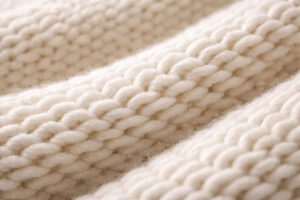
Cotton sweaters are often the best option for everyday wear because they are breathable, soft, easy to maintain, and suitable for multiple seasons.
This makes them highly versatile.
Why cotton remains popular
Cotton offers:
- Natural softness
- Excellent breathability
- Easy care
- Broad consumer acceptance
Best situations for cotton sweaters
| Situation | Suitability |
|---|---|
| Office Wear | Excellent |
| Spring Weather | Excellent |
| Layering | Excellent |
| Cold Winter | Moderate |
Cotton sweaters excel in moderate climates.
Why brands use cotton blends
Many manufacturers blend cotton with:
- Polyester
- Acrylic
- Elastane
This improves durability and shape retention.
Are Blended Sweaters Better Than Pure Fibers?
Consumers often assume 100% natural fibers are always superior.
In reality, blending can significantly improve performance.
Many modern sweaters use blended yarns because they combine the strengths of multiple fibers while reducing weaknesses such as shrinkage, pilling, or stretching.
Blends often create the best overall value.
Common sweater blends
| Blend | Benefits |
|---|---|
| Wool-Acrylic | Warmth plus durability |
| Cotton-Polyester | Comfort plus shape retention |
| Cashmere-Wool | Luxury plus strength |
| Cotton-Elastane | Comfort plus flexibility |
Why manufacturers prefer blends
Blended yarns help:
- Reduce costs
- Improve durability
- Increase elasticity
- Maintain shape
Many bestselling sweaters today use blended constructions.
Which Sweater Style Is the Most Versatile?
Material matters, but style also affects usability.

Crew neck sweaters are generally considered the most versatile sweater style because they work across casual, business-casual, and layered outfits.
Their simplicity appeals to a wide audience.
Popular sweater styles
| Style | Best Use |
|---|---|
| Crew Neck | Everyday wear |
| V-Neck | Office layering |
| Cardigan | Flexible styling |
| Turtleneck | Cold weather |
| Quarter-Zip | Smart casual |
Why crew necks dominate
Consumers appreciate:
- Easy layering
- Timeless design
- Broad appeal
- Gender-neutral styling
Few styles are as universally accepted.
What Makes a High-Quality Sweater?
Not all expensive sweaters are high quality.
Likewise, some reasonably priced sweaters perform extremely well.
High-quality sweaters combine superior fibers, strong yarn construction, precise knitting, and excellent finishing processes.
Quality comes from multiple factors working together.
Key quality indicators
Fiber quality
Longer fibers generally create:
- Softer fabrics
- Less pilling
- Greater durability
Knitting consistency
Look for:
- Uniform stitches
- Balanced tension
- Smooth seams
Finishing quality
Proper finishing improves:
- Shape retention
- Softness
- Appearance
Sweater quality checklist
| Quality Factor | Importance |
|---|---|
| Fiber Selection | Very High |
| Yarn Quality | Very High |
| Knitting Quality | High |
| Finishing | High |
| Fit Consistency | High |
Brands that control these factors produce superior products.
How Should Brands Choose the Best Sweater Type?
There is no universal answer because every customer segment is different.
The best sweater for a brand depends on target market, climate, price point, and consumer expectations.
Successful product development begins with understanding the end user.
Recommended sweater types by market
| Market | Recommended Sweater |
|---|---|
| Luxury Fashion | Cashmere Sweater |
| Outdoor Apparel | Merino Wool Sweater |
| Casual Lifestyle | Cotton Sweater |
| Budget Retail | Cotton-Poly Blend |
| Premium Everyday Wear | Wool-Cotton Blend |
Matching product design to customer needs improves sell-through rates.
Common sourcing mistakes
Many buyers focus only on fabric cost.
Instead, they should evaluate:
- Fabric performance
- Yarn quality
- Factory expertise
- Long-term durability
These factors affect customer satisfaction more than price alone.
Conclusion
The best type of sweater depends on how and where it will be worn. Wool sweaters remain the top choice for warmth and insulation, making them ideal for cold climates and outdoor use. Cashmere sweaters offer unmatched softness and luxury, while cotton sweaters provide comfort, breathability, and versatility for everyday wear. Modern fiber blends have also become increasingly popular because they combine performance, durability, and affordability in a single garment.
When evaluating sweaters, material selection should always come before style preferences. The quality of the yarn, the knitting structure, and the finishing process all play major roles in determining how a sweater performs over time. A well-made sweater should maintain its shape, resist excessive pilling, provide lasting comfort, and deliver value throughout many seasons of wear.
At Fusionknits, there is no single "best" sweater for every consumer. The best sweater is the one that aligns with the user's lifestyle, climate, budget, and expectations. we have found that the most successful sweater collections are those that balance premium materials, thoughtful construction, and practical functionality. Brands that understand these factors can create sweaters that not only look good on store shelves but also earn long-term customer loyalty.