Acid wash never belonged to only one moment, but it definitely had one era when it dominated visual culture. Many buyers connect it to retro fashion immediately, and for good reason. The look became a major fashion signal in the 1980s, then faded, then returned in smaller revival waves through later decades. Levi Strauss & Co. describes acid wash as an ’80s-inspired denim finish that was made popular by “an entire decade of pop stars and punks,” while Vogue’s reporting on the trend also points back to the Reagan-era peak and later runway revivals.
At Fusionknits, we see acid wash as a finish category with three key popularity periods: its breakthrough in the early to mid-1980s, smaller nostalgia-led returns in the late 2010s, and a stronger fashion revival in the mid-2020s. Its biggest and most culturally dominant peak was still the 1980s, but the finish has returned repeatedly because vintage texture, washed surfaces, and retro denim styling keep coming back into the market. Levi Strauss & Co. directly ties acid wash to the 1980s, and current editorial coverage in 2026 describes it as being “back” again in a new cycle.
As a professional apparel manufacturer, we do not treat acid wash as only a nostalgic reference. We treat it as a finish language that rises when the market wants visible texture, stronger vintage mood, and more expressive wash identity. That is why the question is not only when acid wash was popular once. The better question is when it became dominant, when it returned, and why it continues to come back.
Was acid wash most popular in the 1980s?
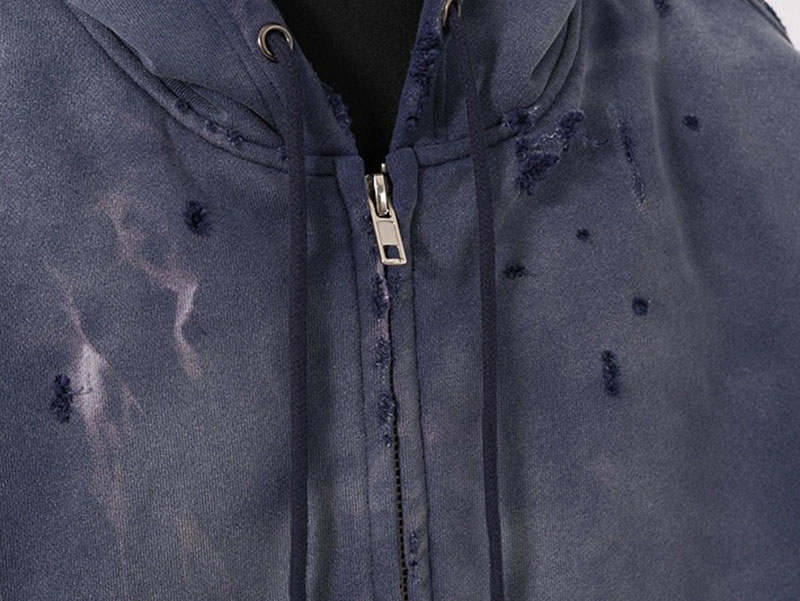
Yes. This is the clearest answer. Acid wash became strongly associated with the 1980s and remains one of the most recognizable finish trends from that decade. Levi Strauss & Co. explicitly describes acid wash as an ’80s-inspired wash made popular by pop stars and punks, and multiple historical and retrospective fashion sources continue to place its major boom in the early to mid-1980s.
Yes, acid wash was most popular in the 1980s, especially from the early to mid-1980s through the later part of the decade. That was the period when acid-washed denim became a mainstream visual trend across jeans, jackets, skirts, and youth fashion. A historical denim retrospective also notes that in the 1980s, new finishes such as acid wash became popular as denim expanded deeper into punk, rock, and youth culture.
At Fusionknits, we think this matters because the 1980s were not only the moment when acid wash was visible. It was the moment when it became commercial. The finish moved from being a striking wash effect into a mass-market design language.
Why the 1980s became the main acid wash era
- Denim culture was expanding quickly
- Pop and rock style had stronger visual energy
- Washed and distressed surfaces felt new and rebellious
- Youth markets were open to louder finishing effects
- Brands could apply the look beyond jeans into broader categories
Why that peak still defines the finish today
The 1980s created the emotional reference
Even now, acid wash is often marketed through retro language because that decade gave the finish its strongest identity.
The finish became culturally recognizable
Acid wash stopped being only a textile process and became a visible fashion statement.
| Period | Acid wash status |
|---|---|
| Early to mid-1980s | Major growth and mainstream breakout |
| Late 1980s | Still highly visible and culturally established |
Did acid wash exist before the 1980s?
In a technical and influence-based sense, yes. Some histories connect acid-wash denim to earlier denim-processing culture and even to roots in 1960s surfer culture or stone-wash experimentation before the big commercial boom. But the key point is that these earlier influences were not the same as acid wash becoming a fully mainstream fashion trend.

Yes, acid wash had roots before the 1980s, but it did not become a major mainstream fashion trend until the 1980s. Earlier denim-wash experimentation and subcultural influence helped prepare the ground, but the 1980s were the real commercial explosion. Some retrospective fashion coverage also notes that the acid-wash story has links to earlier beach, punk, or stone-wash culture before it fully emerged as an iconic retail finish.
At Fusionknits, we usually describe this as a difference between technical origin and market popularity. A wash idea may exist earlier. A trend only becomes truly important when the market adopts it at scale.
Why this difference matters
- Textile experiments often come before mass trends
- A process can exist before customers recognize it
- Subculture adoption often comes before retail adoption
- Commercial popularity is what makes a finish historically important
Why brands should separate origin from peak
The first appearance is not the same as the strongest sales period
For most market analysis, the peak decade matters more than the earliest technical trace.
Trend identity comes from the era of recognition
In acid wash, that recognition still belongs mainly to the 1980s.
| Trend stage | Meaning |
|---|---|
| Pre-1980s roots | Technical and subcultural groundwork |
| 1980s | Mainstream fashion peak |
Did acid wash disappear after the 1980s?
Not completely, but it clearly lost dominance. After the 1980s, acid wash stopped being a constant mainstream leader and became more of a cyclical reference. It remained recognizable, but not continuously central. Vogue’s coverage describes acid wash as having fallen out of favor before slowly resurfacing again later in fashion cycles.
After the 1980s, acid wash did not disappear completely, but it became much less dominant. It shifted from a mainstream staple to a nostalgic or periodic revival trend that returned when fashion moved back toward retro denim and stronger wash effects.
At Fusionknits, this is common in finish-driven categories. A treatment that feels loud in one era may become outdated for a while, then return when the market wants stronger visual surface interest again.
Why the trend cooled down
- Fashion moved into cleaner denim phases
- Minimalism reduced interest in louder wash effects
- Acid wash became strongly tied to one retro era
- Trend fatigue reduced its daily relevance
Why it never fully disappeared
Strong finishes stay in fashion memory
Acid wash remained easy to recognize and easy to revive.
Denim cycles are repetitive
When fashion returns to visible texture and retro energy, acid wash becomes relevant again.
| Post-1980s phase | Acid wash status |
|---|---|
| 1990s to early 2000s | Less dominant, more selective |
| Later revival periods | Nostalgia and trend return |
When did acid wash start coming back?
A visible modern comeback started building in the late 2010s. Vogue reported in 2018 that acid-wash jeans had been slowly making a comeback, pointing to Resort 2017 appearances by Gucci and MSGM and further presence in Resort 2019 collections from Isabel Marant, Miu Miu, and Chloé. Teen Vogue also covered celebrity acid-wash denim sightings in 2018 as part of an ’80s revival.
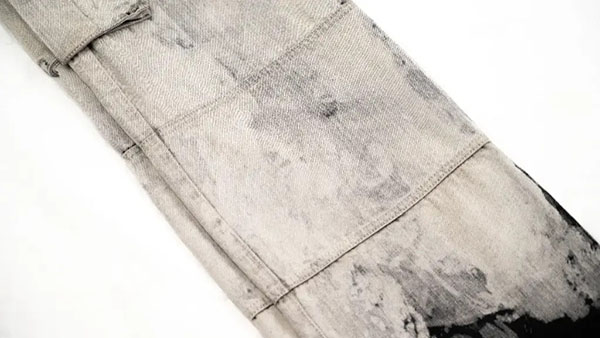
Acid wash began making a visible comeback in the late 2010s, especially around 2017 to 2019, when runway collections, celebrity styling, and 1980s revival trends started bringing it back into fashion conversation.
At Fusionknits, this late-2010s return is important because it shows how fashion revivals usually work. The trend does not come back all at once. It first appears in designer collections, then in celebrity styling, then in broader retail.
Signs of the late-2010s comeback
- Resort 2017 runway references
- Resort 2019 designer reinforcement
- Celebrity styling coverage
- Wider 1980s fashion revival
Why this mattered commercially
The finish was no longer just a joke reference
It became wearable again in contemporary styling.
Designers helped reset its image
Acid wash started looking fashion-relevant again instead of only dated.
| Revival phase | Key period |
|---|---|
| Early return | 2017 onward |
| Stronger visibility | 2018 to 2019 |
Is acid wash popular again now?
Yes, there is clear evidence of another strong revival in the mid-2020s. ELLE’s 2026 coverage explicitly says acid wash jeans are back for 2026, and frames the current trend as a modern comeback shaped by several past decades.

Yes, acid wash is popular again now, especially in the mid-2020s, as part of broader vintage-denim, Y2K, and retro-finish revivals. The current comeback is not identical to the 1980s version, but it clearly shows that acid wash has re-entered fashion in a meaningful way.
At Fusionknits, we see this current revival as more flexible than the original 1980s wave. The modern market uses acid wash not only for loud denim statements, but also for streetwear, oversized tees, washed basics, and more selective fashion capsules.
Why the current revival feels different
- It mixes 1980s and Y2K references
- It appears in both denim and knitwear
- It works in streetwear and casual basics
- It is often styled more minimally than before
Why brands should still treat it carefully
It is a finish with strong visual identity
Acid wash works best when the whole product story supports it.
Not every customer wants maximum retro energy
The wash may need more control in modern collections.
| Current market phase | Acid wash status |
|---|---|
| Mid-2020s | Active revival and visible return |
So when was acid wash popular in the clearest business sense?
The clearest business answer is that acid wash had its biggest peak in the 1980s, then experienced later revival moments, especially in the late 2010s and mid-2020s.
At Fusionknits, we define acid wash popularity in three practical stages: its main mainstream peak in the 1980s, its visible runway and celebrity revival in the late 2010s, and its stronger current comeback in the mid-2020s. If one era must be named as the real acid wash era, it is still the 1980s.
Conclusion
Acid wash was most popular in the 1980s, and that remains its strongest and most recognizable fashion era. Although the finish had earlier roots in denim experimentation and subcultural influence, it was the 1980s that made acid wash commercially dominant and culturally iconic.
After that peak, the trend lost mainstream strength but never fully disappeared. It returned more visibly in the late 2010s through runway collections and celebrity styling, and it has entered another clear revival in the mid-2020s as vintage denim and retro finishes have come back into fashion.
At Fusionknits, we see acid wash as a finish with a long fashion memory. Its biggest moment was the 1980s, but its repeated revivals show why it still matters. When the market wants texture, vintage character, and a stronger washed identity, acid wash returns. That is why understanding its timeline is useful not only for fashion history, but also for modern product planning.