Sweatpants have evolved from simple sportswear into an essential part of modern fashion and athleisure. Today, global brands manufacture sweatpants in multiple countries depending on production cost, fabric sourcing, technical capability, and supply chain efficiency.
Most sweatpants are made in countries such as China, Vietnam, Bangladesh, Pakistan, and Turkey. These regions dominate global apparel manufacturing because they offer strong textile infrastructure, skilled labor, and competitive production capacity.
At Fusionknits, we work with international apparel buyers and understand how manufacturing location affects sweatpants quality, fabric performance, lead times, and pricing.
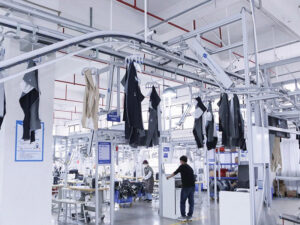
Why is China one of the largest sweatpants manufacturing countries?
China remains one of the world’s largest apparel manufacturing hubs because of its highly developed textile ecosystem and large-scale production capability.
Most premium and mid-range sweatpants are manufactured in China because the country offers advanced fabric sourcing, modern machinery, skilled labor, and efficient supply chain integration.
In our industry experience, China continues leading in both fashion sweatpants and technical activewear production.
Advantages of manufacturing sweatpants in China
- Mature textile supply chain
- Advanced knitting and dyeing technology
- High production efficiency
- Strong quality control systems
- Faster sample development
- Large fabric sourcing network
These advantages allow factories to produce both basic and premium sweatpants efficiently.
Common sweatpants fabrics produced in China
| Fabric Type | Main Features |
|---|---|
| Cotton Fleece | Softness and warmth |
| French Terry | Breathability and comfort |
| Polyester Fleece | Durability and moisture management |
| Cotton-Poly Blend | Balanced comfort and durability |
China has strong capabilities in all these categories.
Why global brands continue sourcing from China
Even with rising labor costs, brands still choose China because:
- Technical expertise remains strong
- Fabric quality is highly consistent
- Production timelines are reliable
- Factories support complex customization
For many brands, reliability matters more than finding the absolute lowest labor cost.
Why are sweatpants also made in Vietnam and Bangladesh?
Vietnam and Bangladesh have become major apparel production centers because of their lower labor costs and growing manufacturing infrastructure.

Vietnam and Bangladesh are widely used for large-volume sweatpants production, especially for commercial retail programs and cost-sensitive product categories.
These countries support global brands looking for competitive pricing and scalable production.
Vietnam’s strengths in sweatpants manufacturing
Vietnam offers:
- Improving production quality
- Competitive labor costs
- Stable manufacturing growth
- Good trade agreement access
Vietnam is especially competitive in sportswear and casualwear categories.
Bangladesh’s role in apparel manufacturing
Bangladesh focuses heavily on:
- Large-volume garment production
- Cost-efficient manufacturing
- Basic fleece and knitwear production
This makes Bangladesh attractive for budget-friendly sweatpants collections.
Comparison between China, Vietnam, and Bangladesh
| Country | Main Strength |
|---|---|
| China | Technical capability and fabric innovation |
| Vietnam | Balanced quality and cost |
| Bangladesh | Large-scale low-cost production |
Each country serves different sourcing strategies depending on brand priorities.
Why is Pakistan important for sweatpants manufacturing?
Pakistan is one of the world’s leading cotton-producing countries, making it highly competitive in cotton-based apparel manufacturing.
Pakistan is especially strong in cotton sweatpants production because of its domestic cotton supply, vertically integrated factories, and competitive pricing.
Many global buyers source fleece sweatpants and knitwear from Pakistan.
Advantages of Pakistani sweatpants production
- Strong cotton supply chain
- Competitive fabric pricing
- Good fleece manufacturing capability
- Growing export experience
Pakistan performs especially well in heavyweight fleece and casual loungewear categories.
Common sweatpants fabrics produced in Pakistan
| Fabric Type | Popular Usage |
|---|---|
| Brushed Fleece | Winter sweatpants |
| French Terry | Lightweight joggers |
| Cotton Jersey | Casual sweatpants |
| Heavyweight Cotton Blend | Premium streetwear |
These fabrics support both fashion and comfort-focused collections.
Manufacturing challenges in Pakistan
Some challenges include:
- Longer shipping timelines
- Energy supply issues
- Limited technical innovation compared to China
However, Pakistan remains highly competitive for cotton-rich sweatpants programs.
Why do some brands manufacture sweatpants in Turkey?
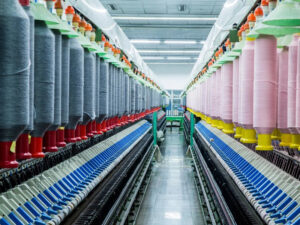
Turkey has become an important apparel manufacturing center for European brands because of its geographic location and textile expertise.
Turkey is popular for premium sweatpants production because it offers high-quality fabrics, shorter shipping times to Europe, and strong garment craftsmanship.
Many European fashion brands prioritize Turkish manufacturing for mid-to-high-end collections.
Advantages of Turkish manufacturing
- Fast shipping to Europe
- Strong knitting expertise
- High-quality cotton fabrics
- Flexible production quantities
Turkey is especially strong in fashion-oriented joggers and premium fleece products.
Why European brands prefer Turkey
European buyers often value:
- Faster lead times
- Smaller MOQs
- Better communication
- Higher-end fabric development
This makes Turkey highly competitive despite higher labor costs.
How does manufacturing country affect sweatpants quality?
Many consumers associate product quality with country of origin, but quality depends on much more than geography alone.
Sweatpants quality depends primarily on fabric quality, factory standards, construction methods, and quality control systems rather than manufacturing location itself.
At Fusionknits, we always explain that factories produce according to the buyer’s requested quality level and budget.
Factors that influence sweatpants quality
| Quality Factor | Importance |
|---|---|
| Fabric composition | Comfort and durability |
| GSM weight | Warmth and structure |
| Stitching quality | Garment lifespan |
| Dyeing consistency | Color performance |
| Shrinkage control | Size stability |
These factors are more important than country labels alone.
Why the same country can produce different quality levels
For example, factories within the same country may produce:
- Budget promotional sweatpants
- Premium luxury joggers
- Technical performance apparel
The difference comes from:
- Material quality
- Production standards
- Brand investment level
- Technical expertise
This is why country of origin should not be the only quality indicator.
What materials are commonly used in sweatpants?
Sweatpants use different materials depending on warmth, softness, durability, and target market positioning.

Most sweatpants are made from cotton, polyester, fleece, or blended fabrics that combine softness with durability and moisture management.
Fabric selection strongly affects the final garment performance.
Common sweatpants materials
| Material | Main Benefit |
|---|---|
| Cotton | Softness and breathability |
| Polyester | Durability and wrinkle resistance |
| Cotton-Poly Blend | Balanced comfort and performance |
| French Terry | Lightweight warmth |
| Brushed Fleece | Insulation and softness |
Each material category supports different product goals.
Why blends dominate modern sweatpants
Blended fabrics improve:
- Shape retention
- Shrinkage control
- Durability
- Moisture management
- Production consistency
This is why most modern sweatpants are not made from pure cotton alone.
How do supply chains influence sweatpants manufacturing?
Modern apparel manufacturing relies heavily on global supply chain coordination. Sweatpants production often involves multiple regions.
Many sweatpants are produced through integrated global supply chains where yarn sourcing, knitting, dyeing, sewing, and packaging may happen in different locations.
This allows brands to optimize cost and efficiency.
Typical sweatpants supply chain stages
| Production Stage | Common Location |
|---|---|
| Cotton sourcing | Pakistan, India, USA |
| Yarn production | China, India |
| Knitting | China, Turkey |
| Dyeing and finishing | China, Turkey |
| Garment sewing | China, Bangladesh, Vietnam |
Global sourcing helps brands balance quality and pricing.
Why integrated supply chains matter
Strong supply chains improve:
- Production speed
- Fabric consistency
- Quality control
- Cost management
- Delivery timelines
Countries with mature textile ecosystems usually perform better in these areas.
How does sustainability affect sweatpants manufacturing?
Sustainability has become a major focus in modern apparel sourcing. Buyers increasingly demand environmentally responsible production.
Many factories now manufacture sweatpants using recycled polyester, organic cotton, and eco-friendly dyeing technologies to reduce environmental impact.
At Fusionknits, sustainable fleece and jogger programs continue growing rapidly.
Common sustainable sweatpants materials
| Sustainable Material | Main Advantage |
|---|---|
| Organic Cotton | Reduced chemical usage |
| Recycled Polyester | Reduces plastic waste |
| Recycled Cotton Blend | Supports circular production |
| Low-Impact Dyeing | Reduces water consumption |
These materials help brands improve sustainability positioning.
Sustainability challenges in sweatpants production
Manufacturers still face challenges such as:
- Recycling blended fabrics
- Maintaining fabric softness
- Managing production cost increases
- Reducing energy usage
Balancing sustainability and commercial viability remains critical.
How should brands choose a sweatpants manufacturer?
Choosing the right factory involves more than comparing prices. Brands must evaluate technical expertise, production reliability, and fabric quality.
Brands should choose sweatpants manufacturers based on fabric capability, quality control systems, communication efficiency, and production consistency rather than country alone.
At Fusionknits, we recommend evaluating suppliers through both technical and operational standards.
Questions buyers should ask factories
- Does the factory specialize in knitwear and fleece?
- Can the supplier control shrinkage effectively?
- What quality inspection systems are used?
- Can sustainable materials be supplied?
- Does the factory support custom development?
These questions help buyers identify reliable manufacturing partners.
Important testing areas for sweatpants
| Testing Area | Purpose |
|---|---|
| Shrinkage testing | Size stability |
| Pilling resistance | Surface durability |
| Colorfastness | Prevents fading |
| Fabric recovery | Shape retention |
| Seam strength | Long-term durability |
Professional testing reduces customer complaints and return rates.
Conclusion
Most sweatpants are manufactured in countries such as China, Vietnam, Bangladesh, Pakistan, and Turkey because these regions offer strong textile infrastructure, skilled labor, and scalable apparel production capacity. China continues leading in technical capability and fabric innovation, while countries like Bangladesh and Pakistan provide competitive solutions for large-volume and cotton-based sweatpants manufacturing.
The quality of sweatpants depends far more on fabric selection, construction methods, and factory standards than on country of origin alone. Modern sweatpants manufacturing involves complex supply chains, technical fabric development, and strict quality control processes to ensure comfort, durability, and consistent performance.
At Fusionknits, we believe successful sweatpants production starts with the right manufacturing partner and material strategy. Brands that focus on technical expertise, sustainable sourcing, and production consistency are better positioned to deliver high-quality sweatpants that meet evolving global market expectations.