Empire Clothing is a contemporary fashion brand known for stylish apparel targeting young, urban consumers. Many people wonder about the origin of their garments and whether they are produced locally or overseas. Understanding production locations helps consumers assess quality, ethical standards, and brand authenticity.
At Fusionknits, we note that Empire Clothing utilizes a combination of manufacturing locations, including countries in Asia and, for select premium collections, domestic production. This multi-region approach allows the brand to balance cost, quality, and delivery timelines effectively.
As a professional apparel manufacturer, we analyze how brands like Empire manage global production while maintaining design integrity and quality standards.
Why brands use multiple manufacturing locations
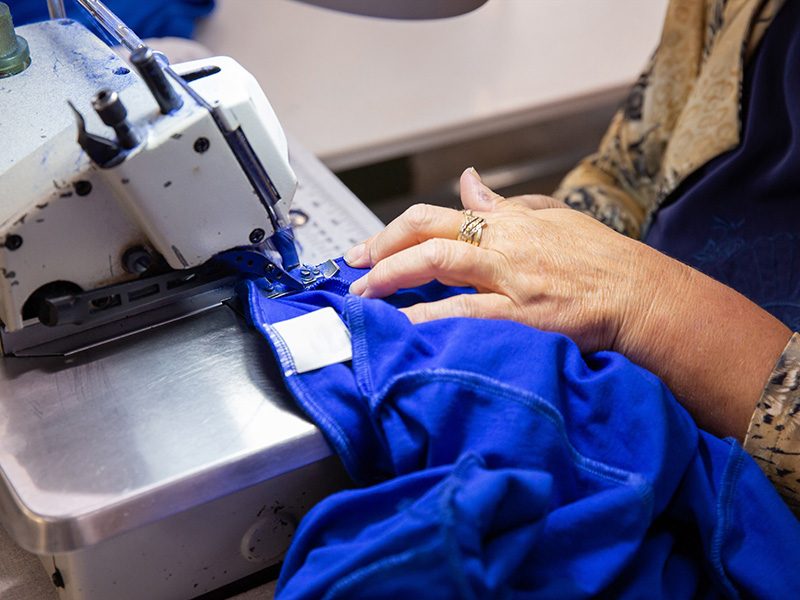
Global brands often diversify manufacturing to optimize costs, access skilled labor, and meet different market demands. Producing garments in Asia reduces material and labor costs, while domestic production can serve limited premium lines or respond quickly to trends.
At Fusionknits, we emphasize that multi-location manufacturing also mitigates supply chain risks such as delays, natural disasters, or trade disruptions, ensuring reliable delivery for retailers and consumers.
Manufacturing benefits
| Reason | Advantage |
|---|---|
| Cost efficiency | Lower labor and material costs in Asia |
| Expertise | Access to specialized fabric and sewing techniques |
| Speed | Domestic factories can produce smaller runs quickly |
| Risk management | Diversified supply chains reduce disruptions |
Where Empire Clothing manufactures its garments
While Empire Clothing does not publicly disclose all factory locations, industry research and garment labeling indicate production primarily in countries such as China, Bangladesh, and Vietnam. Certain premium collections may be produced domestically for higher-end quality control and faster lead times.

At Fusionknits, we observe that sourcing in Asia provides a balance of cost, scale, and skilled labor, while domestic production ensures that small batches maintain strict quality oversight.
Manufacturing locations
| Region | Typical Products |
|---|---|
| China | Casual apparel, T-shirts, denim, outerwear |
| Bangladesh | Basic garments, mass-produced items |
| Vietnam | Performance fabrics, technical apparel |
| Domestic (local factories) | Limited edition, high-quality premium lines |
How production location affects quality
The quality of Empire Clothing garments depends on fabric selection, construction techniques, and quality control measures rather than just the manufacturing country. Factories in Asia can produce high-quality garments if standards are enforced, while domestic production allows closer oversight.
At Fusionknits, we stress that consistent quality requires both skilled labor and stringent quality checks. Production in multiple countries must maintain uniform specifications to ensure brand reliability.
Factors influencing garment quality
| Factor | Impact |
|---|---|
| Fabric sourcing | Ensures durability, comfort, and color retention |
| Skilled labor | Accurate stitching, finishing, and assembly |
| QC protocols | Consistency in fit, appearance, and performance |
| Production oversight | Reduces defects and maintains brand standards |
How brands maintain ethical standards
Manufacturing in Asia introduces concerns about labor conditions and environmental standards. Brands like Empire Clothing often implement supplier audits, certifications, and traceability measures to ensure compliance with ethical and sustainable practices.
At Fusionknits, we recommend that brands verify compliance with local labor laws, factory certifications, and ethical sourcing programs, ensuring that consumers can trust the brand’s social responsibility claims.
Ethical production practices
| Practice | Purpose |
|---|---|
| Supplier audits | Verifies labor and safety compliance |
| Certifications | Confirms environmental and social standards |
| Traceability | Tracks materials and production steps |
| Ethical sourcing | Ensures workers are fairly compensated |

How production location impacts pricing and branding
Garments made overseas tend to be more cost-efficient, allowing competitive pricing for mass-market consumers. Limited domestic production adds perceived value and can justify higher prices for premium collections.
At Fusionknits, we advise brands to align manufacturing decisions with target pricing and brand positioning. Using both overseas and domestic production allows Empire Clothing to cater to multiple consumer segments.

Pricing and branding
| Location | Impact |
|---|---|
| Asia | Lower production costs, accessible price points |
| Domestic | Higher cost, premium branding, faster responsiveness |
| Mixed sourcing | Balances affordability and exclusivity |
Conclusion
Empire Clothing manufactures garments in multiple countries, primarily in Asia such as China, Bangladesh, and Vietnam, with some premium lines potentially produced domestically. This strategy allows the brand to balance cost, quality, lead time, and ethical standards while serving a global audience.
At Fusionknits, we approach multi-location manufacturing professionally, integrating rigorous quality control, ethical sourcing, and supply chain optimization.
By understanding how Empire Clothing leverages different regions for production, brands can learn how to manage cost, maintain garment quality, and ensure ethical practices while delivering stylish, high-performing apparel to consumers worldwide.