
Joggers are now a global apparel category, but their origin is tied to a more specific sportswear history. Today they appear in streetwear, loungewear, activewear, and fashion collections across many markets. Yet joggers did not begin as a fashion-first garment. They developed from functional athletic trousers designed to support movement, comfort, and training use before later becoming part of everyday casual dressing.
Joggers are generally understood to have been developed in France through the early sportswear work of the French brand Le Coq Sportif, which is often credited with helping create the modern sweatpant concept that later evolved into joggers. Over time, this athletic trouser style expanded through broader sportswear development and became a global category.
At Fusionknits, understanding where joggers come from is important because product history often explains product logic. Joggers remain successful today for the same reason they developed in the first place: they combine comfort, mobility, and adaptable construction in a way that fits both performance wear and daily wear.
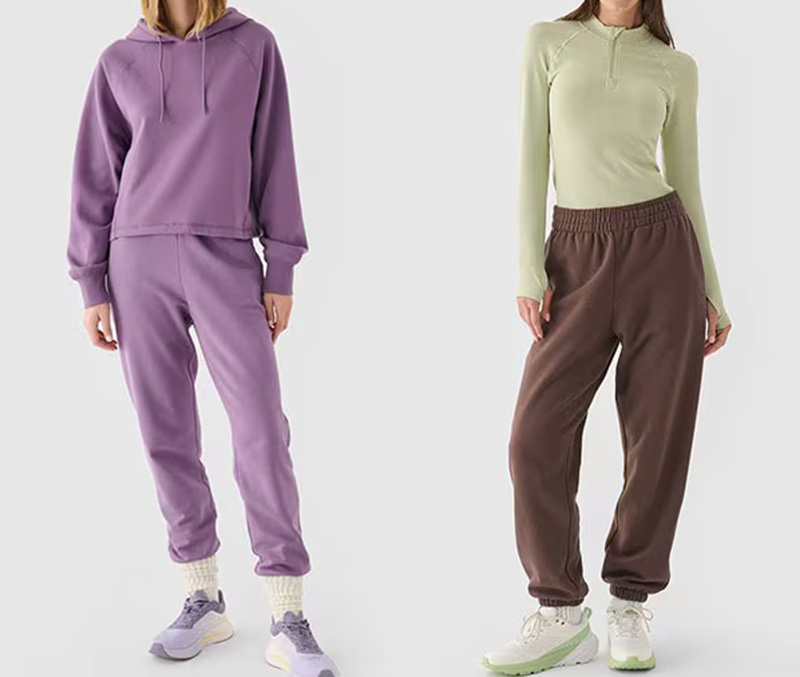
Why are joggers connected to sportswear history?
Joggers are not random casual pants that later became popular. Their structure reflects sportswear logic from the beginning. Elasticity, comfort, movement space, and leg control all point back to training use.
Joggers are connected to sportswear history because they evolved from athletic pants designed for exercise, warm-up use, and movement. Their soft construction, adjustable waist, and tapered leg shape were practical sportswear solutions before they became fashion staples.
From a garment development perspective, joggers carry several product features that clearly reflect athletic roots. These include flexible waist construction, comfort-led fit, easy mobility through the hip and thigh, and leg shaping that avoids excess fabric movement during activity. Even when modern joggers are styled for fashion, these construction ideas still remain visible.
At Fusionknits, this sportswear foundation matters because joggers still perform best when comfort and movement are treated as core design priorities rather than as secondary styling details.
Why joggers clearly belong to sportswear heritage
- They prioritize movement and ease
- They use softer fabrics than formal trousers
- They often include elastic waist construction
- They taper for better activity use
- They work as warm-up and casual athletic garments
Why this matters in product development
The category began with function
Joggers were built to solve athletic needs before they became lifestyle apparel.
Construction still reflects those roots
Even fashion joggers often keep the same comfort-driven silhouette.
Good joggers still depend on mobility
A jogger that looks right but moves poorly usually fails as a product.
A simple category view
| Product trait | Sportswear meaning |
|---|---|
| Elastic waist | Flexible activewear comfort |
| Tapered leg | Better movement control |
| Soft hand feel | Training and recovery use |
| Easy fit | Athletic practicality |
That is why joggers are best understood through sportswear development rather than through fashion alone.
Why is France often credited with inventing joggers?
France is commonly associated with the invention of joggers because early sweatpants development is strongly linked to French sportswear innovation. This historical connection is one of the most repeated explanations behind the category’s beginning.

France is often credited with inventing joggers because the early sweatpant concept is widely associated with the French brand Le Coq Sportif, which helped develop soft athletic trousers for training and sports use. These garments created the product foundation that later evolved into the jogger category.
From an apparel history perspective, this makes sense because early sportswear innovation in Europe helped shape many garments that later expanded beyond pure athletic use. What began as practical training pants eventually moved into casualwear, then into streetwear, then into mainstream fashion.
At Fusionknits, garment origin matters because it often explains why a category keeps succeeding. Joggers survived because they were useful first, then versatile later.
Why France remains central in jogger history
- Early sweatpant development is linked there
- European sportswear innovation shaped the category
- The product began through training wear logic
- The garment later spread internationally through sportswear markets
Why origin stories matter in apparel
They explain garment structure
The jogger’s fit and fabric choices make more sense when its athletic roots are clear.
They support category clarity
A garment with a known origin is easier to define and position.
They strengthen product storytelling
Historical context helps brands explain why a category still matters.
Origin overview
| Origin factor | Why it matters |
|---|---|
| French sportswear history | Supports invention story |
| Athletic development | Explains original product use |
| Later fashion expansion | Explains modern category growth |
That is why France is so strongly associated with the invention of joggers.
What did the earliest joggers look like?
Early joggers did not look exactly like every modern fashion jogger on the market today. The original form was closer to athletic sweatpants than to the full range of contemporary jogger styles now sold globally.
The earliest joggers looked more like simple athletic sweatpants made for training and exercise. They were usually soft, practical, and comfort-driven, with a relaxed upper fit and more controlled lower leg shape to support movement and reduce distraction during activity.
In early development, the main concern was not fashion detail. The concern was usability. Soft knit or fleece-based fabric, easy waist fit, and a shape that stayed controlled during movement were more important than decorative design elements. Later, these garments became slimmer, more polished, more fashion-aware, and more widely used outside sports.
At Fusionknits, this progression is important because modern joggers often still succeed when they preserve the original balance between comfort and shape.
Common features of early jogger-style athletic pants
- Soft fabric construction
- Relaxed fit through the top block
- Functional waistband
- Practical leg shaping
- Low visual complexity
- Performance-first silhouette
Why early joggers looked simpler
The product was not created as fashion
It began as a sportswear solution.
Fabric technology was more basic
Earlier sweat-based garments focused more on utility than styling refinement.
Category identity had not fully expanded yet
The garment was still closer to training wear than to full lifestyle apparel.
Early-product overview
| Early feature | Product purpose |
|---|---|
| Soft fabric | Comfort and movement |
| Relaxed upper fit | Ease during activity |
| Controlled leg | Less distraction during training |
| Minimal trim | Practical construction |
That is why the earliest joggers should be seen as functional athletic garments rather than as fashion joggers in the modern sense.
How did joggers develop from sweatpants into a separate category?
This is one of the most important shifts in the garment’s history. At first, joggers were not sharply separated from sweatpants in the way many retailers describe them now. The distinction became clearer as fashion, fit, and retail language evolved.
Joggers developed from sweatpants into a separate category when the fit became more tapered, the styling became cleaner, and the garment moved from pure sportswear into casualwear, streetwear, and fashion markets. Over time, “jogger” came to describe a more shaped athletic-inspired trouser rather than a general loose sweatpant.
From a product development standpoint, this category shift is very logical. Once brands noticed that customers liked the comfort of athletic pants but wanted a more controlled silhouette for everyday wear, the garment began changing. The ankle became more defined. The leg shape became more intentional. The fabric range widened. The jogger became a category with both function and style value.
At Fusionknits, this transition helps explain why joggers remain commercially strong: they sit between sportswear comfort and everyday styling.
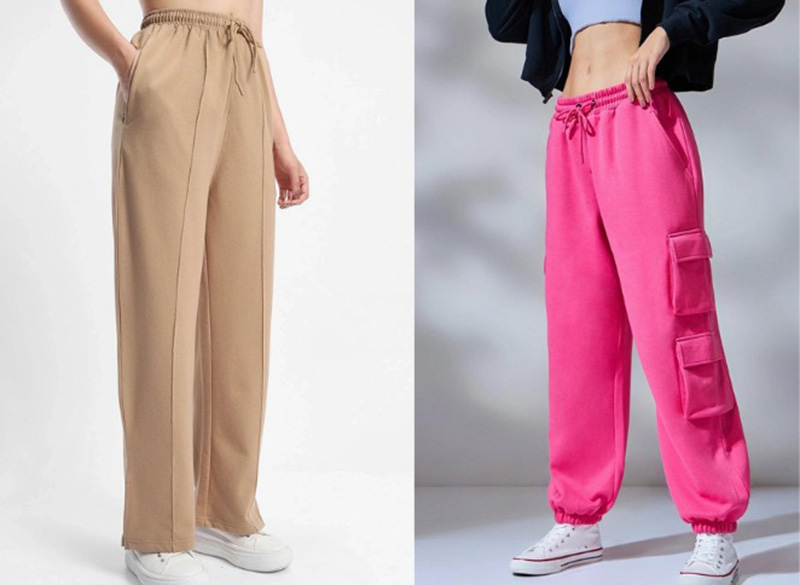
Main changes that separated joggers from traditional sweatpants
- More tapered leg shape
- More defined ankle finish
- Cleaner silhouette
- Broader fabric options
- More fashion-oriented fit control
- Easier daywear use outside training contexts
Why this shift happened so successfully
Customers wanted comfort with better shape
The jogger offered a cleaner version of soft athletic trousers.
Retail language became more specific
Brands needed clearer names for different sportswear-inspired products.
Streetwear and casualwear expanded the category
The garment was no longer limited to training use.
Sweatpants versus joggers
| Product direction | Typical identity |
|---|---|
| Sweatpants | Broader, softer, more relaxed |
| Joggers | More tapered, more controlled, more lifestyle-ready |
That is how joggers moved from a training-based pant idea into a distinct apparel category.
Did joggers become popular first in sportswear or streetwear?
Joggers started in sportswear, but their large-scale commercial growth came when they crossed into lifestyle markets. Their biggest cultural strength comes from this movement between categories.
Joggers became popular first in sportswear, but they gained much wider visibility and commercial power when they moved into streetwear, casualwear, travelwear, and modern lifestyle dressing. Their success comes from combining athletic comfort with everyday styling relevance.
In many apparel categories, garments grow slowly when they stay in only one product space. Joggers became much stronger when they stopped being only for exercise. Once the garment fit into off-duty wardrobes, airport dressing, athleisure, and urban casualwear, it reached a much wider audience.
At Fusionknits, this crossover success is one reason joggers remain such a useful category for modern apparel brands.
Why joggers succeeded beyond sportswear
- They were comfortable enough for daily wear
- They looked cleaner than loose sweatpants
- They matched changing casual lifestyle trends
- They worked with sneakers and layering pieces
- They adapted well to men’s and women’s markets
Why the sportswear-to-streetwear shift mattered
It expanded volume potential
The category no longer depended only on active customers.
It improved styling relevance
Joggers became part of broader wardrobes.
It supported fabric innovation
Once the category entered fashion, more materials and finishes became possible.
Category-growth overview
| Development stage | Main market role |
|---|---|
| Early sportswear | Training and athletic comfort |
| Casual crossover | Everyday relaxed wear |
| Streetwear expansion | Style-driven mainstream relevance |
That is why joggers should be understood as a sportswear invention that achieved full strength through broader fashion adoption.
What countries helped make joggers globally popular?
Even if France is linked to the invention story, joggers became a true global category because many countries and markets helped drive their expansion through sportswear, fashion, and manufacturing.

France is often connected to the invention story, but joggers became globally popular through broader adoption in Europe, the United States, and later worldwide apparel markets. Major sportswear and casualwear industries helped turn joggers from a niche athletic garment into a mainstream category.
The United States played a major role in pushing athleticwear and later athleisure into everyday dressing. Streetwear culture also gave joggers a stronger urban and youth-oriented identity. At the same time, international manufacturing systems helped make joggers more accessible in different price levels, fabric weights, and silhouettes.
At Fusionknits, this matters because joggers are now developed for completely different markets, from training and travel to premium minimalwear and fashion basics.
Key regions that helped expand joggers
- France through early sportswear roots
- Europe through broader sportswear development
- The United States through athleticwear and streetwear influence
- Global manufacturing hubs through scalable production
Why global expansion happened so fast
The category is easy to adapt
Joggers can change fabric, fit, and trim without losing category identity.
Comfort became a stronger fashion value
This helped joggers move into more wardrobes.
Manufacturing flexibility supported growth
The product could be made in jersey, fleece, ponte, woven stretch, and more.
Global expansion guide
| Region or market role | Contribution |
|---|---|
| France | Early invention association |
| Europe | Sportswear development |
| United States | Athleisure and streetwear growth |
| Global supply chain | Broad retail expansion |
That is why joggers are tied to one country historically but belong to global apparel culture commercially.
Why does jogger origin still matter in modern manufacturing?
Some may think historical origin is only a branding detail, but in reality, it helps explain why joggers are built the way they are. Product history often protects category clarity.
Jogger origin still matters because it explains the garment’s functional DNA. The category began with movement, comfort, and athletic practicality, and those same values still define whether a jogger feels authentic, wearable, and commercially strong today.
From a manufacturing standpoint, this is important because many products are now called joggers even when they lose too much of that original logic. If a garment becomes too stiff, too formal, too shapeless, or too disconnected from comfort-led movement, it may keep the name but weaken the category.
At Fusionknits, historical garment logic is useful because it helps protect product direction. Joggers still perform best when they remain true to their balance of comfort, control, and flexible use.
Why origin still helps product development
- It explains why the fit should support movement
- It clarifies why comfort is essential
- It protects category identity
- It supports better material decisions
- It helps brands tell a stronger product story
Why buyers should still care
Origin supports authenticity
Customers respond better to categories that still feel true to their purpose.
It improves development decisions
The garment should keep the core features that made it successful.
It reduces category confusion
Not every soft pant should be treated as a jogger.
Product-logic overview
| Historical value | Modern manufacturing meaning |
|---|---|
| Athletic root | Comfort-led design |
| Controlled leg shape | Better fit identity |
| Easy movement | Better wearability |
| Practical construction | Stronger product category |
That is why jogger history still has real value in product development today.
How should brands understand the invention of joggers when developing collections?
The strongest way to use jogger history is not to repeat it as trivia, but to let it guide better product choices. The category remains most successful when brands understand both its origin and its modern flexibility.
Brands should understand the invention of joggers as the beginning of a comfort-driven, movement-based trouser category that later expanded into broader casualwear and fashion. The best collections respect that athletic foundation while adapting the jogger to current market needs in fabric, fit, and styling.
At Fusionknits, jogger development works best when the garment keeps its core identity clear. Whether the product is sporty, premium, minimal, or street-led, the jogger should still feel easy, controlled, and wearable. That is the real value of understanding where the category came from.
Better collection questions for brands
- Does the jogger still support movement well?
- Does the fit feel controlled without losing comfort?
- Does the fabric match the intended use?
- Is the jogger still recognizably part of the category?
- Does the styling respect the garment’s sportswear logic?
Why this approach builds stronger jogger products
It improves category consistency
The product stays clear and easy for customers to understand.
It improves wearability
The jogger keeps the comfort values that drove its success.
It supports better merchandising
A strong category story makes the garment easier to position.
Collection-development guide
| Brand focus | Better jogger result |
|---|---|
| Comfort and movement | Stronger category authenticity |
| Clean silhouette | Better lifestyle wearability |
| Correct fabric choice | Better market alignment |
| Clear product story | Stronger commercial identity |
That is how brands can turn jogger history into a more useful development tool.
Conclusion
Joggers are generally understood to have been invented in France through early sportswear development, with the French brand Le Coq Sportif often associated with the creation of the sweatpant concept that later evolved into the modern jogger. What began as a functional athletic trouser designed for comfort and movement gradually expanded into a broader category used in casualwear, streetwear, athleisure, and fashion collections around the world. The garment’s success came from its ability to move from sportswear into everyday wardrobes without losing its core strengths.
At Fusionknits, the origin of joggers still matters because it explains the product logic that continues to define the category. Joggers work best when they preserve the balance of comfort, flexibility, and controlled silhouette that made them valuable in the first place.
When brands understand where joggers came from, they are better equipped to develop collections that feel authentic, wearable, and commercially relevant in modern apparel markets.