Loungewear has evolved from simple stay-at-home clothing into one of the fastest-growing categories in the apparel industry. Consumers now expect loungewear to deliver comfort, style, durability, and versatility. Whether relaxing at home, working remotely, traveling, or running errands, the right fabric can significantly impact the overall experience. As a result, one of the most common questions apparel brands and consumers ask is: which fabric is best for loungewear?
The best fabric for loungewear depends on the intended use, climate, and customer preferences. Cotton blends remain the most versatile option because they balance softness, breathability, durability, and affordability. French terry, modal, bamboo viscose, fleece, and cotton-polyester blends are also popular choices, each offering unique benefits for different types of loungewear.
At Fusionknits, selecting the right fabric requires balancing comfort, performance, durability, and cost. Understanding the strengths and weaknesses of various materials helps brands create loungewear collections that meet modern consumer expectations.
Why Does Fabric Matter So Much in Loungewear?
Many consumers focus on style, color, or fit when shopping for loungewear. However, fabric often determines whether the garment becomes a favorite or ends up unworn.
Fabric affects comfort, breathability, durability, stretch, moisture management, and overall wearability, making it the most important component of any loungewear garment.
A well-designed loungewear set made from poor-quality fabric will rarely satisfy consumers.
Key Performance Factors Influenced by Fabric
- Softness
- Breathability
- Warmth
- Stretch
- Moisture control
- Durability
- Shape retention
Why Manufacturers Prioritize Fabric Selection
Before developing a new loungewear collection, manufacturers evaluate:
| Factor | Importance |
|---|---|
| Comfort | Very High |
| Durability | Very High |
| Cost | High |
| Appearance | High |
| Easy Care | High |
Fabric selection influences all of these factors.
Consumer Expectations Continue to Increase
Today's consumers expect loungewear to:
- Feel comfortable all day
- Look presentable
- Survive repeated washing
- Maintain shape over time
These expectations drive fabric innovation across the industry.
Is Cotton the Best Fabric for Loungewear?
Cotton remains one of the most popular fibers in apparel manufacturing.

Cotton is widely considered one of the best loungewear fabrics because it is soft, breathable, skin-friendly, and comfortable in a wide range of temperatures.
Many consumers specifically seek cotton-based garments.
Advantages of Cotton
Cotton provides:
- Natural softness
- Excellent breathability
- Good moisture absorption
- Skin-friendly comfort
- Easy maintenance
Limitations of Pure Cotton
Despite its benefits, 100% cotton has limitations.
These include:
- Potential shrinkage
- Slower drying time
- Limited stretch
- Wrinkling
Cotton Performance Overview
| Property | Cotton Rating |
|---|---|
| Softness | Excellent |
| Breathability | Excellent |
| Stretch | Moderate |
| Durability | Good |
| Moisture Control | Good |
For casual loungewear, cotton remains an excellent choice.
Best Cotton Applications
Cotton works particularly well for:
- Lounge T-shirts
- Sleepwear-inspired loungewear
- Lightweight joggers
- Casual homewear
Its natural feel remains highly appealing to consumers.
Why Are Cotton-Polyester Blends So Popular?
Many bestselling loungewear products are not made from pure cotton.
Cotton-polyester blends combine the softness of cotton with the durability, wrinkle resistance, and shape retention of polyester, making them one of the most practical choices for modern loungewear.
This combination delivers strong performance across multiple categories.
Benefits of Cotton-Poly Blends
These fabrics offer:
- Improved durability
- Better color retention
- Faster drying
- Reduced shrinkage
- Easier care
Common Blend Ratios
| Blend Ratio | Characteristics |
|---|---|
| 80% Cotton / 20% Polyester | Soft and natural |
| 60% Cotton / 40% Polyester | Balanced performance |
| 50% Cotton / 50% Polyester | Maximum durability |
Manufacturers choose ratios based on product goals.
Why Consumers Like Blends
Consumers appreciate:
- Lower maintenance
- Better shape retention
- Longer garment lifespan
These advantages often outweigh the appeal of pure natural fibers.
Is French Terry the Best Fabric for Everyday Loungewear?
French terry has become one of the most widely used fabrics in premium loungewear.
French terry provides an excellent balance of softness, breathability, moisture absorption, and moderate warmth, making it one of the most versatile fabrics available for loungewear.
Many athleisure brands rely heavily on French terry.
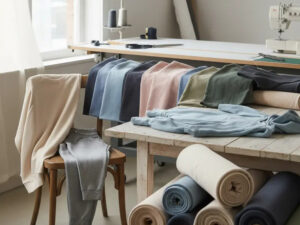
What Makes French Terry Unique?
French terry features:
- Smooth exterior
- Looped interior
- Medium-weight construction
- Excellent flexibility
Advantages of French Terry
- Comfortable year-round
- Breathable
- Soft hand feel
- Good moisture absorption
Best Product Categories
| Product | Suitability |
|---|---|
| Joggers | Excellent |
| Hoodies | Excellent |
| Lounge Sets | Excellent |
| Shorts | Good |
French terry performs well across multiple categories.
Why Premium Brands Use French Terry
Compared with fleece, French terry often:
- Feels lighter
- Breathes better
- Works in more seasons
This versatility increases consumer appeal.
Is Modal a Premium Loungewear Fabric?
Modal has become increasingly popular in comfort-focused apparel.
Modal is considered a premium loungewear fabric because it offers exceptional softness, smooth drape, moisture management, and a luxurious feel against the skin.
Consumers often describe modal as silk-like.
Benefits of Modal
Modal provides:
- Ultra-soft texture
- Excellent drape
- Moisture control
- Lightweight comfort
Common Modal Applications
- Lounge tops
- Relaxed pants
- Sleep-lounge hybrids
- Premium sets
Modal Comparison
| Property | Modal |
|---|---|
| Softness | Excellent |
| Breathability | Very Good |
| Stretch | Good |
| Luxury Feel | Excellent |
Its premium hand feel makes it popular in upscale collections.
Potential Limitations
Modal can:
- Cost more than cotton
- Require careful handling
- Lose strength when poorly processed
Quality sourcing is critical.
Is Bamboo Fabric Good for Loungewear?
Bamboo viscose fabrics continue to gain attention.

Bamboo fabrics are valued for their softness, breathability, moisture management, and eco-friendly marketing appeal, making them attractive for modern loungewear collections.
Many consumers perceive bamboo as a sustainable option.
Benefits of Bamboo Fabric
- Smooth texture
- Cooling sensation
- Moisture absorption
- Natural drape
Popular Applications
| Product Type | Suitability |
|---|---|
| Lounge Sets | Excellent |
| Sleepwear | Excellent |
| T-Shirts | Excellent |
| Lightweight Joggers | Good |
Bamboo works especially well in warm climates.
Manufacturing Considerations
Bamboo fabrics vary significantly in quality.
Factors affecting performance include:
- Fiber processing
- Yarn quality
- Fabric construction
Not all bamboo fabrics perform equally.
Is Fleece the Best Choice for Cold Weather Loungewear?
Warmth becomes a priority during colder seasons.
Fleece fabric is one of the best fabrics for winter loungewear because it provides excellent insulation while maintaining softness and comfort.
Many winter collections rely heavily on fleece.
Types of Fleece
Common options include:
- Cotton fleece
- Polyester fleece
- Brushed fleece
- Performance fleece
Why Consumers Love Fleece
Fleece provides:
- Warmth
- Softness
- Comfort
- Lightweight insulation
Fleece Performance
| Property | Rating |
|---|---|
| Warmth | Excellent |
| Breathability | Moderate |
| Softness | Excellent |
| Weight | Moderate |
Fleece excels in cold-weather applications.
Drawbacks of Fleece
Potential limitations include:
- Excessive warmth indoors
- Lower breathability
- Additional bulk
These factors should be considered during product development.
How Important Is Stretch in Loungewear Fabrics?
Stretch contributes significantly to comfort.
The best loungewear fabrics often contain some level of stretch because it improves mobility, comfort, and shape retention during daily wear.
Consumers increasingly expect unrestricted movement.
Common Stretch Fibers
Manufacturers frequently use:
- Spandex
- Elastane
- Lycra®
Benefits of Stretch
- Enhanced comfort
- Improved fit
- Better recovery
- Increased durability
Stretch Comparison
| Fabric Type | Stretch Level |
|---|---|
| Cotton | Low |
| French Terry | Moderate |
| Modal Blend | Moderate |
| Spandex Blend | High |
The appropriate amount depends on product goals.
How Should Brands Choose the Best Loungewear Fabric?
No single fabric works for every market segment.
The best fabric depends on the target consumer, intended use, climate, and price point. Successful loungewear development begins by understanding how customers will wear the product.
Fabric selection should support product positioning.
Recommended Fabrics by Category
| Category | Recommended Fabric |
|---|---|
| Everyday Loungewear | Cotton-Poly Blend |
| Premium Loungewear | Modal Blend |
| Athleisure Loungewear | French Terry |
| Winter Loungewear | Brushed Fleece |
| Sleep-Lounge Hybrid | Bamboo or Modal |
Key Questions During Development
Brands should ask:
- Is comfort the primary goal?
- Will the garment be worn outside the home?
- What climate will it serve?
- What retail price is expected?
The answers guide fabric selection.
Conclusion
The best fabric for loungewear depends on the intended purpose of the garment. Cotton remains a leading choice because of its softness and breathability, while cotton-polyester blends offer improved durability and easy care. French terry provides exceptional versatility, modal delivers a luxurious hand feel, bamboo viscose offers cooling comfort, and fleece fabric excels in colder conditions.
At Fusionknits, successful loungewear fabrics balance comfort, durability, appearance, and functionality. There is no universal solution that fits every market. Instead, brands should match fabric characteristics to consumer expectations and product positioning.
By selecting the right material for the right application, manufacturers can create loungewear that delivers long-term comfort, performance, and customer satisfaction.