Winter jackets are essential for comfort, warmth, and protection against cold weather. Choosing the right fabric affects insulation, breathability, durability, and weather resistance. A poor fabric choice can leave you cold, damp, or uncomfortable in winter conditions.
The best fabrics for winter jackets include down insulation jackets, polyester, wool blend winter jackets, technical synthetic materials, and waterproof breathable fabrics. Each fabric type offers unique benefits, such as warmth, moisture management, wind resistance, and durability, depending on intended use and environmental conditions.
At Fusionknits, winter jacket manufacturing emphasizes premium fabrics, precise insulation, structural stability, and weatherproofing to ensure long-lasting comfort and performance. Fabric selection is the most critical factor in creating functional winter jackets.
Why Fabric Choice Is Crucial For Winter Jackets
Fabric determines insulation, comfort, durability, and weather protection.
Selecting the right fabric ensures thermal efficiency, breathability, durability, and resistance to wind, rain, and snow, making it essential for performance and comfort.
Winter jackets often face extreme conditions, so fabric choice is vital.
Thermal Insulation
High-quality fabrics trap air, maintaining body warmth. Materials like down and wool are especially effective at thermal retention.
Breathability
Breathable fabrics reduce sweat accumulation, preventing dampness and discomfort during activity.
Weather Resistance
Waterproof breathable fabrics protect the body against rain, snow, and chilling wind.
Durability
Winter jackets undergo stress from layering, friction, and washing, making strong, long-lasting fabrics important.
At Fusionknits, technical and natural fabrics are combined to optimize warmth, comfort, and durability.
Is Down Fabric The Best For Extreme Cold?
Down insulation is widely regarded as one of the warmest options.

Down jackets dominate winter outerwear because they provide lightweight yet highly effective insulation.
Down insulation jackets are best for extreme cold because they trap heat efficiently, offer high warmth-to-weight ratio, and compress easily for storage, making them ideal for cold winter conditions.
Down jackets excel in natural insulation.
How Down Retains Warmth
Down clusters create air pockets that:
- Trap body heat
- Maintain consistent warmth
- Reduce cold air penetration
This ensures high thermal efficiency.
Lightweight And Compressible
Down jackets are:
- Lightweight
- Easy to pack
- Comfortable for prolonged wear
They are ideal for outdoor winter activities.
Down Fill Quality Matters
Higher fill power provides:
- Better insulation
- Softer feel
- Longer lifespan
Premium jackets use high fill-power down for maximum warmth.
Limitations Of Down
Down loses insulating ability when wet and requires careful washing. Combining down with waterproof fabrics can improve performance.
Why Wool Blends Are Popular For Winter Jackets
Wool has been used for centuries as a natural winter fabric.
Wool blends provide warmth, softness, and breathability, making them suitable for both casual and semi-formal winter jackets.
Wool blend winter jackets are best for insulation, breathability, and natural comfort. They provide warmth while remaining lightweight and often have a stylish appearance suitable for urban settings.
Wool combines thermal efficiency and classic aesthetics.
Natural Insulation And Breathability
Wool fibers:
- Trap air
- Absorb moisture without feeling wet
- Release humidity for comfort
This supports long-term wear in cold weather.
Softness And Comfort
Wool blends can feel softer against skin, reducing irritation while maintaining warmth.
Durability And Shape Retention
Quality wool blends resist:
- Pilling
- Stretching
- Distortion over time
This ensures long-lasting performance.
Fashionable Appearance
Wool fabrics often maintain structured silhouettes suitable for formal or semi-formal winter jackets.
At Fusionknits, wool blends are often combined with waterproof linings to enhance outdoor functionality.
Are Synthetic Fabrics Suitable For Winter Jackets?
Technical synthetic fabrics are increasingly popular.
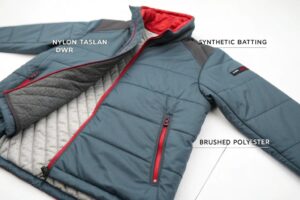
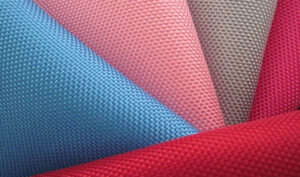
Polyester, nylon, and other synthetic materials are widely used in winter jackets because they are lightweight, water-resistant, and provide excellent durability.
Synthetic fabric jackets are ideal for active wear because they provide wind and water resistance, retain warmth even when wet, and offer flexibility for layering.
They are common in performance-focused outerwear.
Polyester And Nylon Jackets
These fabrics provide:
- Lightweight warmth
- Wind resistance
- Abrasion resistance
They are ideal for outdoor sports and everyday winter use.
Water-Resistant Coatings
Synthetic fabrics often include:
- Durable water-repellent (DWR) coatings
- Laminated waterproof membranes
- Breathable yet protective layers
This prevents moisture penetration.
Stretch And Mobility
Modern synthetic jackets incorporate elastane or stretch weaves for:
- Increased range of motion
- Comfortable layering
- Improved athletic performance
Long-Term Durability
Synthetic fibers resist wear, UV degradation, and fading better than many natural fibers.
How Important Is Waterproofing For Winter Jackets?
Winter conditions often involve rain, snow, and slush.
Even the warmest jacket is less effective if moisture penetrates. Waterproof fabrics prevent heat loss and maintain comfort.
Waterproof breathable fabrics such as Gore-Tex, PU laminates, or coated polyester are essential for wet or snowy winter conditions, providing protection without compromising breathability.
Fabric technology is critical for outdoor jackets.
Breathable Waterproof Layers
Modern jackets combine:
- Waterproof membranes
- Breathable fabric layers
- Moisture-wicking inner linings
This allows sweat to escape while preventing water entry.
Durable Water-Repellent Finishes
DWR coatings improve:
- Surface water beading
- Long-term weather protection
- Longevity of the outer layer
This ensures consistent performance.
Layered Construction Improves Warmth
Jackets often combine:
- Insulating mid-layers (down, synthetic fill)
- Outer waterproof shells
- Soft inner linings
Layering maximizes warmth and weather resistance.
At Fusionknits, integrating waterproof membranes with insulation ensures technical jackets perform across winter conditions.
Are Fleece Linings Useful For Winter Jackets?
Fleece adds softness and warmth.

Many winter jackets include fleece linings for additional thermal insulation and comfort.
Fleece-lined jackets provide lightweight warmth, soft touch, and improved moisture management, making them ideal for casual outdoor wear and layering in cold conditions.
Fleece improves comfort and heat retention.
Lightweight Thermal Layer
Fleece traps air, providing:
- Extra insulation
- Soft hand feel
- Flexibility in layering
This reduces overall jacket bulk.
Moisture Management
Fleece wicks light perspiration away from the body, keeping the wearer dry during moderate activity.
Durability
High-quality fleece resists:
- Pilling
- Stretch deformation
- Shrinking during washing
Fleece enhances long-term jacket performance.
Combination With Outer Shells
Fleece is often combined with:
- Waterproof shells
- Windproof fabrics
- Synthetic or down insulation
This creates versatile winter jackets suitable for outdoor activities.
Are Down-Synthetic Hybrids Effective?
Modern jackets often combine down and synthetic insulation.
Hybrid insulation maximizes warmth and weather resistance.
Down-synthetic hybrid jackets provide natural down warmth in core areas and synthetic insulation in moisture-prone zones, ensuring maximum performance even in wet conditions.
Hybrid construction enhances thermal efficiency.
Core Warmth With Down
- Chest and torso use down
- Lightweight, high loft
- Excellent compressibility
Moisture Protection With Synthetic Fibers
- Sleeves and shoulders use synthetic fill
- Maintains warmth when damp
- Improves water resistance
Optimal Weight And Comfort
- Balanced insulation
- Comfortable for movement
- Reduces bulk compared to full synthetic jackets
Hybrid jackets combine benefits of both materials effectively.
How Fabric Weight Affects Winter Jackets
Fabric weight determines insulation and mobility.
Heavier fabrics provide more insulation but reduce flexibility, while lighter fabrics improve comfort and layering.
The best winter jacket fabric weight depends on activity level, climate, and intended style, balancing warmth with mobility.
Lightweight Jackets For Layering
- Ideal for mild climates
- Easier to pack and wear under shells
- Comfortable for active use
Medium-Weight Jackets For Everyday Use
- Suitable for urban winter wear
- Balanced warmth and comfort
- Functional for commuting
Heavyweight Jackets For Extreme Cold
- Provides maximum thermal protection
- Less flexible, more structured
- Ideal for mountain or outdoor conditions
At Fusionknits, fabric weight is carefully selected based on activity type and climate.
Which Jacket Fabrics Are Best For Urban Winters?
City winter jackets prioritize style and functionality.
Wool blend winter jackets, insulated synthetic fabrics, and water-repellent polyester shells are popular for urban winter jackets because they combine warmth, style, and lightweight comfort.
Style and performance must coexist.
Wool Blends Maintain Elegance
- Soft hand feel
- Structured silhouettes
- Thermal insulation
Synthetic Insulation Supports Mobility
- Lightweight synthetic fill
- Flexible and easy to layer
- Quick-drying performance
Water-Repellent Coatings Protect Against Rain
- DWR or PU coatings
- Prevent moisture penetration
- Maintain thermal efficiency
Urban jackets prioritize functional style for cold cities.
What Fabric Trends Are Influencing Modern Winter Jackets?
Consumers now demand warmth, performance, and sustainable fabrics.
Modern winter jackets combine technical performance with eco-friendly materials.
Trending fabrics include recycled polyester outerwear, high-fill down, hybrid insulation, and water-repellent shells that balance performance, comfort, and sustainability.
Hybrid and sustainable design dominates.
Recycled And Eco-Friendly Materials
- Recycled polyester outerwear
- Down certified for ethical sourcing
- Sustainable waterproof finishes
Environmental responsibility drives modern apparel trends.
Hybrid Insulation Designs
- Mix of down and synthetic fibers
- Optimized warmth in core areas
- Improved water resistance
Hybrid jackets increase versatility.
Lightweight Technical Fabrics
- Stretch nylon or polyester
- High abrasion resistance
- Breathable water-resistant layers
Modern jackets prioritize functionality and mobility.
At Fusionknits, combining technical fabrics with insulation ensures premium winter jacket performance.
Conclusion
The best fabrics for winter jackets include down, wool blends, polyester, nylon, technical synthetic fabrics, and hybrid insulation. Down provides maximum warmth, wool blends offer elegance and breathability, and synthetics or hybrid fabrics combine water resistance, flexibility, and thermal performance. Waterproof shells, fleece linings, and hybrid insulation further improve comfort and functionality.
At Fusionknits, winter jacket manufacturing focuses on fabric quality, insulation performance, weatherproofing, and fit engineering. Selecting the right materials ensures jackets remain warm, comfortable, durable, and stylish in any winter environment.