Choosing the right jacket brand can be challenging for both consumers and apparel buyers. Jackets vary widely in terms of materials, construction, durability, style, and performance. The “best” company often depends on the intended use, whether for fashion, outdoor performance, or casual wear. Understanding the market landscape helps buyers and customers make informed decisions.
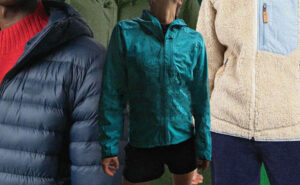
The best jacket company depends on the type of jacket needed. Brands like The North Face, Patagonia, Canada Goose, Columbia, and Arc’teryx are recognized for technical performance and durability, while fashion-focused brands such as Moncler, Zara, and Uniqlo offer stylish, high-quality casual options.
Selecting a jacket company involves evaluating product quality, innovation, sustainability, and brand reputation. A combination of materials, production expertise, and after-sales service determines whether a brand consistently delivers high-quality jackets.
What Factors Determine the Best Jacket Brand?
Many consumers assume the best jacket is always the most expensive. In reality, quality, functionality, and brand reliability are more important than price alone.
Key factors that determine the best jacket company include material selection, construction quality, weather resistance, durability, innovation, and brand reputation.
Buyers should consider these aspects carefully when sourcing jackets for retail or personal use.
Material Selection
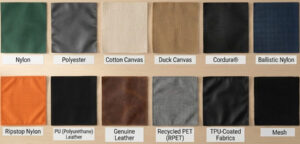
- Outer shell fabrics: nylon, polyester, Gore-Tex
- Insulation: down, synthetic fill, fleece lining
- Linings: mesh, taffeta, or softshell fabrics
The choice of materials affects warmth, waterproofing, and longevity.
Construction Quality
- Seam sealing and stitching
- Reinforced stress points
- Zipper and hardware quality
- Hood and collar design
Superior construction reduces wear and improves overall jacket performance.
Brand Reputation and Innovation
Top brands invest in research, such as:
- New insulation technologies
- Breathable waterproof membranes
- Sustainable production practices
This innovation helps differentiate leaders in the jacket market.
Which Brands Are Recognized for Technical Jackets?
Technical jackets are designed for extreme weather, outdoor activities, and long-term durability.

Brands like The North Face, Arc’teryx, Patagonia, and Columbia dominate the technical jacket category because of their high-performance fabrics, functional designs, and proven reliability in harsh conditions.
These companies are often preferred by athletes, outdoor enthusiasts, and mountaineers.
The North Face
- Specializes in jackets for hiking, climbing, and skiing
- Uses Gore-Tex and other waterproof breathable fabrics
- Offers durable down and synthetic insulation
Arc’teryx
- Known for high-performance technical shells
- Lightweight, breathable, and water-resistant
- Premium engineering with precise construction
Patagonia
- Focused on sustainable materials and environmental responsibility
- Offers high-quality synthetic and down jackets
- Strong brand loyalty among outdoor enthusiasts
Columbia
- Offers functional jackets at competitive pricing
- Omni-Tech waterproofing and thermal reflective technology
- Suitable for casual and outdoor wear
Why Technical Jackets Require Specialized Production
Technical jackets require:
- Precision seam sealing
- Waterproof zippers
- Durable fabric coatings
- Layered insulation
Brands investing in these processes provide higher-performing products.
Which Brands Excel in Fashion Jackets?
Fashion jackets focus on style, trend, and urban appeal rather than technical performance.
Brands like Moncler, Uniqlo, Zara, and Canada Goose combine design, comfort, and quality to appeal to fashion-conscious consumers while maintaining functional warmth.
These brands often dominate the casual and lifestyle jacket segment.
Moncler
- Luxury outerwear brand known for stylish down jackets
- High-quality materials and premium construction
- Fashion-forward urban aesthetics
Uniqlo
- Affordable, versatile jackets for everyday wear
- Heat-retaining and lightweight fabrics
- Popular for casual down and block-tech jackets
Zara
- Trend-driven urban jackets
- Combines style with cost-effective production
- Seasonal design cycles
Canada Goose (Fashion/Luxury Segment)
- Offers functional jackets with premium appeal
- Popular in cold climates for style and warmth
- Focus on durable down insulation and classic silhouettes
Why Fashion Jackets Require Different Manufacturing
Fashion jackets prioritize:
- Style consistency
- Fabric texture and appearance
- Seasonal color and design trends
- Urban comfort over extreme performance
High-quality construction remains important even in non-technical jackets.
Are Sustainable Jacket Brands Leading the Market?
Sustainability has become a key differentiator for apparel brands.
Brands like Patagonia, The North Face, and Arc’teryx increasingly prioritize recycled fabrics, ethically sourced down, and low-impact manufacturing.
Sustainability appeals to environmentally conscious consumers.
Patagonia’s Eco Approach
- Recycled polyester shells
- Traceable down insulation
- Repair and recycle programs
The North Face
- Recycled fabrics in outerwear
- Focus on longevity and durability
- Environmental certifications for factories
Consumer Impact
Sustainable practices create:
- Higher perceived brand value
- Long-term customer loyalty
- Positive brand reputation
Sustainability is now a key metric for determining the “best” jacket brand.
How Do Materials Influence Jacket Performance?
The choice of fabric determines warmth, waterproofing, and durability.
High-quality jackets often use Gore-Tex, nylon, polyester, or synthetic blends for shells, combined with down, synthetic fill, or fleece for insulation. The right materials optimize comfort and performance.
Different combinations serve different markets.
Shell Materials
- Nylon: Lightweight, durable, and abrasion-resistant
- Polyester: Cost-effective, water-resistant, quick-drying
- Gore-Tex: Waterproof, breathable, highly durable
Insulation Options
- Down: High warmth-to-weight ratio, premium
- Synthetic: Retains heat when wet, easier to care for
- Fleece: Lightweight, soft, often used as mid-layers
Lining Materials
- Mesh: Breathable and lightweight
- Taffeta: Smooth, lightweight, and durable
- Softshell fabrics: Flexible, wind-resistant, durable
Material choices directly affect jacket classification and price points.
Are Price and Brand Loyalty Linked to Quality?
Premium brands often command higher prices, but price is not always a perfect indicator of performance.
Consumers often equate higher price with higher quality, but manufacturing processes, materials, and brand experience ultimately determine jacket performance.
Brand loyalty often influences repeat purchases.
How Brands Maintain Loyalty
- Consistent product quality
- Warranty and repair programs
- Limited edition and exclusive designs
- Strong brand heritage
These factors keep customers returning.
Price Comparison Examples
| Brand | Typical Price Range | Key Selling Point |
|---|---|---|
| The North Face | $150-$500 | Technical performance |
| Patagonia | $200-$600 | Sustainability & durability |
| Moncler | $800-$2,000 | Luxury fashion |
| Columbia | $100-$300 | Affordable functional wear |
| Arc’teryx | $400-$1,200 | Premium technical outerwear |
| Zara | $50-$200 | Trend-driven fashion |
Higher prices often reflect investment in materials, innovation, and brand reputation.
How Should Buyers Select the Best Jacket Company?
Choosing a jacket supplier requires evaluating multiple factors beyond just price.
Buyers should assess the company’s materials, production capabilities, technical expertise, sustainability practices, and reputation for consistency and quality.
A methodical approach ensures product success.
Key Considerations
- Intended use (fashion, technical, casual)
- Material quality and sourcing
- Production precision
- Sustainability certifications
- Brand reputation and consumer perception
Recommended Approach
- Define target market and product positioning
- Identify key fabric and construction requirements
- Compare brands’ materials and technologies
- Review past product performance and durability
- Conduct quality inspection or sample evaluation
This approach helps buyers select the best company for their needs.
Balance Between Fashion and Function
Some buyers prioritize:
- Technical performance (mountaineering, skiing)
- Fashion appearance (urban streetwear)
- Price-performance balance (mass-market jackets)
The best company aligns with these priorities.
Conclusion
Determining the best company for jackets depends largely on the intended use, target market, and consumer expectations. For technical performance and outdoor durability, brands such as The North Face, Arc’teryx, Patagonia, and Columbia lead the industry with premium materials, specialized construction, and innovative technologies. For fashion-forward or urban casual jackets, Moncler, Uniqlo, Zara, and Canada Goose are preferred for their style, comfort, and premium appeal.
Material selection, insulation type, shell construction, and design innovation all play crucial roles in establishing a jacket brand’s reputation for quality. Sustainability practices, brand loyalty, and after-sales support further differentiate top-performing companies. Ultimately, the best jacket company is one that combines high-quality materials, precise manufacturing, innovative design, and market alignment to deliver durable, comfortable, and stylish outerwear.
At Fusionknits, we have observed that the most successful jacket brands consistently invest in research, material selection, and production quality, ensuring that each product meets both functional and aesthetic consumer expectations while maintaining strong market presence across global markets.