Many buyers think a jacket is just an outer layer, so any fabric should work. That is where many product mistakes start. A jacket may look good in photos, but if the material is wrong, it can feel stiff, trap heat, leak wind, or lose shape after wear. In jacket development, the material does not just support the design. It defines the product.
At Fusionknits, we see jacket material as the core of jacket performance, structure, and market value. Jackets can be made from polyester, nylon, cotton, fleece, wool, PU-coated fabrics, down-proof shells, and blended technical materials, but the right material always depends on the jacket’s purpose, climate use, price level, and design direction.
As a professional clothing manufacturer, we never answer this topic with one fabric name only. Jackets are built for very different conditions. A puffer jacket, a bomber jacket, a rain jacket, and a casual hoodie jacket cannot use the same material logic. The best jacket materials are chosen by function first, then by comfort, appearance, and construction needs.
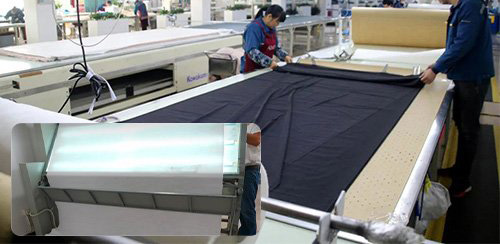
Why does jacket material matter so much?
A jacket covers the outermost layer of the body, so it has to do more than look presentable. It often needs to block wind, resist abrasion, carry insulation, support lining systems, and hold a certain silhouette. If the shell fabric fails, the whole garment feels weak, no matter how good the styling looks.
At Fusionknits, we believe jacket material matters more than most buyers expect because it controls protection, comfort, drape, sewing difficulty, durability, and even brand positioning. A jacket is one of the clearest examples of how material selection shapes the entire garment from the first sample to the final retail result.
This becomes even more important in outerwear because jackets often combine multiple layers. The shell, lining, insulation, interlining, and trims all need to work together. A soft shell with a heavy fill may collapse. A rigid shell with a lightweight design may feel uncomfortable. That is why good jacket development starts with fabric architecture, not only sketch design.
What jacket material controls
- Wind protection
- Water resistance
- Warmth support
- Shape and structure
- Surface appearance
- Durability
- Weight and comfort
Why outerwear needs more technical thinking
Jackets face more environmental stress
Unlike a T-shirt or simple knit top, a jacket has to perform against weather, friction, and repeated wear.
The shell changes everything
Even before lining and insulation are added, the shell material already determines most of the garment’s identity.
| Material factor | Effect on jacket |
|---|---|
| Weight | Changes comfort and structure |
| Surface density | Affects wind and water behavior |
| Flexibility | Changes movement and wear feel |
| Durability | Supports long-term use |
Is polyester one of the most common jacket materials?
Yes, polyester is one of the most widely used materials in modern jackets. It is popular because it is durable, stable, cost-effective, and adaptable across many outerwear categories. It can be woven, knitted, brushed, coated, quilted, or laminated depending on the jacket style.

At Fusionknits, polyester is one of the most practical jacket materials because it can support casual outerwear, technical shells, puffers, sports jackets, and insulated lifestyle products without creating excessive material cost or unstable performance.
Polyester also holds color well and usually performs better against wrinkling than many natural fibers. When used in woven shell fabrics, it can create a clean and structured surface. When used in microfleece or brushed forms, it can add warmth and softness. That versatility is one reason why polyester remains central in jacket production.
Why polyester is used so often
- Good durability
- Easy dye performance
- Lower wrinkle risk
- Strong value for cost
- Flexible use across categories
Best jacket types for polyester
It works well in puffers
Polyester shell fabric is common in padded and quilted jackets because it balances light weight and durability.
It also performs well in casual technical jackets
Polyester can support coatings, membranes, and structured silhouettes.
| Polyester use | Typical jacket category |
|---|---|
| Light woven shell | Puffer jackets |
| Coated polyester | Rain jackets |
| Brushed polyester | Warm casual outerwear |
| Polyester knit | Track or sport jackets |
Nylon is another major outerwear material, especially in performance and premium technical categories. Compared with basic polyester, nylon often feels smoother, lighter, and more refined. It is also known for strong abrasion resistance and a clean athletic look, which makes it valuable in active and outdoor outerwear.
At Fusionknits, we often choose nylon when the jacket needs a more technical, premium, or lightweight performance identity. Nylon works especially well in windbreakers, utility jackets, packable jackets, running outerwear, and high-end puffer shells.
Nylon can also work well with water-repellent finishes and ripstop constructions. That makes it a strong choice when the jacket must balance protection and mobility. However, nylon is not always the best answer for every category. For some casual or budget-friendly jackets, polyester may deliver stronger commercial efficiency.
Why nylon feels more technical
- Smooth hand feel
- Strong fiber strength
- Good abrasion resistance
- Lightweight shell performance
- Premium sport appearance
Where nylon performs best
It is excellent for lightweight shells
Nylon helps reduce weight while keeping strong outerwear function.
It supports movement-based jackets
Outdoor and active categories often benefit from nylon’s flexibility and strength.
| Nylon construction | Common use |
|---|---|
| Ripstop nylon | Windbreakers and technical shells |
| Lightweight woven nylon | Packable jackets |
| Nylon-spandex shell | Stretch active jackets |
| Down-proof nylon | Puffer shells |
Is cotton still used in jackets?
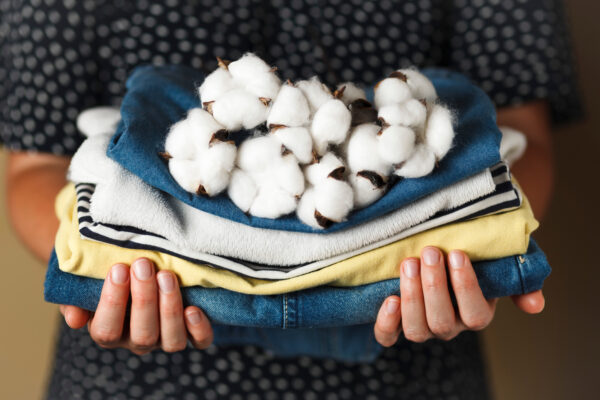
Yes, cotton is still widely used in jackets, especially in casualwear, workwear-inspired outerwear, utility jackets, and fashion-focused product lines. Cotton gives a natural look and hand feel that many consumers still prefer. It can make a jacket feel more familiar, more lifestyle-driven, and less technical.
At Fusionknits, we use cotton in jackets when the product needs softness, structure, and a natural surface character rather than a highly synthetic performance identity. Cotton works especially well in overshirts, chore jackets, casual bombers, canvas jackets, and field-style outerwear.
Cotton also supports many fabric constructions such as twill, canvas, brushed sateen, and poplin. But pure cotton usually needs support if weather performance matters. It is not naturally waterproof, and it can absorb moisture easily. That is why many cotton jackets rely on coatings, washes, or blending strategies.
Common cotton jacket fabrics
- Cotton twill
- Cotton canvas
- Cotton poplin
- Cotton sateen
- Brushed cotton weave
Why cotton remains valuable
It gives a natural casual image
Many consumers prefer jackets that look less technical and more everyday-ready.
It works well in transitional outerwear
For spring and autumn layers, cotton can feel more comfortable than heavy technical shells.
| Cotton fabric | Typical jacket use |
|---|---|
| Twill | Casual and workwear jackets |
| Canvas | Utility and chore jackets |
| Poplin | Lightweight spring jackets |
| Sateen | Softer lifestyle outerwear |
What role do wool and wool blends play in jackets?
Wool is more common in tailored, winter, and heritage-style outerwear than in technical shells. It brings warmth, body, and a premium appearance. Wool jackets often feel more formal or elevated, especially in coats, varsity-inspired jackets, and structured outer layers.
At Fusionknits, we use wool or wool-blend fabrics when the jacket needs warmth, visual richness, and a more premium seasonal identity. Wool is especially effective in fashion jackets where insulation can come partly from the shell itself, not only from separate padding.
But wool has limits. It is usually heavier than technical synthetics and requires more careful finishing and garment handling. That is why blends are common. Wool blended with polyester or nylon can improve durability, control cost, and support cleaner production.
Why wool is used in outerwear
- Natural warmth
- Richer appearance
- Strong winter identity
- Better structure in fashion outerwear
- Premium market positioning
Why blends are often preferred
They reduce cost and improve stability
Pure wool can be expensive and sometimes less practical in high-volume production.
They improve wear life
Blended shell fabrics often handle abrasion and maintenance better.
| Wool construction | Typical jacket category |
|---|---|
| Wool blend melton | Winter coats and varsity jackets |
| Wool twill | Structured fashion jackets |
| Polyester-wool blend | Commercial winter outerwear |
What materials are used in waterproof or rain jackets?
Waterproof and rain jackets usually depend on synthetic shell materials rather than natural fibers. Polyester and nylon are the most common base fabrics, often treated with PU coating, membrane lamination, or durable water-repellent finishing. These technical treatments help prevent water penetration and improve weather performance.

At Fusionknits, rain jacket materials are selected as systems rather than single fabrics. A waterproof jacket usually needs the right shell base, the right coating or membrane, and the right seam construction to perform correctly.
This is important because a jacket material is not fully waterproof just because the fiber is synthetic. The finish matters. The backing matters. The seams matter. A good rain jacket is the result of coordinated outerwear engineering, not just a strong marketing label.
Common waterproof jacket materials
- PU-coated polyester
- PU-coated nylon
- Laminated technical shell fabric
- Ripstop waterproof shell
- Multi-layer membrane fabric
Why system thinking matters in waterproof jackets
Shell material alone is not enough
A woven nylon without the right finish is not a true rain-jacket solution.
Construction must support the fabric
Seam sealing and trim selection affect final performance.
| Waterproof material system | Use |
|---|---|
| Coated polyester shell | Urban rain jackets |
| Laminated nylon shell | Technical outdoor jackets |
| Ripstop shell + membrane | Performance outerwear |
Which materials are used in puffer jackets?
Puffer jackets are usually made from two main material groups: an outer shell fabric and an internal insulation system. The shell is often polyester or nylon, while the fill may be synthetic padding or natural down. The shell fabric must be light enough to support puff construction but strong enough to handle stitching, wear, and daily movement.
At Fusionknits, puffer jackets usually rely on lightweight polyester or nylon shell fabrics because these materials hold quilting well, protect the fill, and help the jacket stay light, durable, and commercially practical.
The lining is often polyester as well, because it allows easy layering and smooth dressing. In premium categories, down-proof shell constructions and finer nylon shells may be used to create a lighter and more elevated product. In broader commercial categories, polyester often remains the most efficient shell choice.
Key material parts in a puffer jacket
- Outer shell
- Inner lining
- Fill or insulation
- Interfacing and trims
Why shell choice is critical in puffers
It affects weight and drape
A shell that is too heavy can make the jacket feel bulky.
It affects stitching stability
Quilting and filling behavior depend on shell compatibility.
| Puffer component | Common material |
|---|---|
| Shell | Polyester or nylon |
| Lining | Polyester |
| Fill | Synthetic insulation or down |
Are fleece and knit fabrics also used in jackets?
Yes. Not all jackets are woven-shell products. Many jackets use fleece, double knit, bonded knit, or other brushed fabric constructions, especially in casualwear, sportswear, and transitional outerwear. These materials create softer jackets that feel more like elevated mid-layers or comfort outerwear.
At Fusionknits, fleece and knit-based jackets are important because they sit between tops and true outerwear. They are excellent for layering products, relaxed jackets, and soft activewear outer layers where comfort and warmth are more important than hard-shell protection.
Fleece jackets are especially popular because they are warm, light, and soft. Double-knit and bonded fabrics can also create clean, stable jackets without needing full shell engineering. These categories are useful for spring, autumn, travel, and daily layering programs.
Common knit-based jacket materials
- Polar fleece
- Microfleece
- Double knit
- Bonded knit
- Interlock performance knit
Why brands use soft jacket fabrics
They create comfort-led outerwear
Many consumers want jackets that feel easy and wearable rather than rigid.
They support layering collections
These fabrics work well for transitional weather and indoor-outdoor dressing.
| Soft jacket fabric | Typical jacket type |
|---|---|
| Polar fleece | Outdoor casual layer |
| Double knit | Sport-casual jacket |
| Bonded knit | Smart activewear outer layer |
How do blends improve jacket materials?
Blends are used when one fiber alone cannot deliver the right balance. Cotton may need polyester for durability. Nylon may need spandex for movement. Wool may need synthetics for stability. In jacket development, blends help brands adjust function without losing product character.
At Fusionknits, we rely on blended jacket fabrics when the garment needs more balanced performance. A blend can improve movement, reduce cost, stabilize the shell, improve recovery, or create a better hand feel than a single-fiber solution.
This is especially valuable in stretch outerwear, utility jackets, softshells, and commercial winter products. A well-developed blend can create a jacket that feels more premium and more practical at the same time.
Why jacket blends work so well
- Better comfort balance
- Improved durability
- More stable construction
- Easier movement
- Better commercial flexibility
Common outerwear blend directions
Cotton-poly blends
Useful in casual structured jackets.
Nylon-spandex blends
Useful in technical stretch jackets.
| Blend type | Main benefit |
|---|---|
| Cotton-polyester | Balance of comfort and durability |
| Nylon-spandex | Stretch and technical movement |
| Wool-polyester | Warmth with stability |
How should brands choose the right material for a jacket?
The correct process is to start with the jacket type, then the climate use, then the customer expectation, and only after that the visual trend direction. This protects the garment from becoming a style-only product with weak function.
At Fusionknits, we recommend choosing jacket materials through category logic first. A rain jacket should begin with weather performance. A puffer should begin with shell-and-fill compatibility. A casual utility jacket should begin with structure and surface character. Once the product purpose is clear, the right material path becomes much easier to define.
This is also where many brands improve margin and reduce development waste. If the fabric is correct from the beginning, fewer fit problems and fewer wear-test problems appear later. Good material logic saves both time and cost.
Best way to choose jacket material
- Define the jacket category
- Confirm climate and season
- Match shell to function
- Confirm lining or fill needs
- Test drape, comfort, and durability
Why this method works
It reduces costly sample errors
The first development stage becomes more accurate.
It improves final product consistency
Better material decisions create more reliable retail results.
| Jacket type | Strong starting material direction |
|---|---|
| Rain jacket | Coated or laminated synthetic shell |
| Puffer | Lightweight polyester or nylon shell |
| Casual jacket | Cotton twill, canvas, or blends |
| Soft active jacket | Knit, fleece, or bonded performance fabric |
Conclusion
Jackets are made from many different materials, but the most important ones include polyester, nylon, cotton, wool, fleece, coated technical fabrics, and carefully developed blends. Polyester remains one of the most flexible outerwear materials. Nylon leads in many premium and technical categories.
Cotton works well in casual and utility jackets. Wool adds warmth and fashion structure. Fleece and knit constructions support softer outerwear and layering products. The correct material depends entirely on what the jacket is expected to do.
At Fusionknits, we treat jacket material selection as a technical development decision, not just a styling choice. A successful jacket begins with the right shell, the right supporting materials, and the right balance between comfort, protection, structure, and cost. That is why strong outerwear is never built from trend alone. It is built from material logic first, because the material is what makes the jacket wearable, functional, and commercially successful.