Joggers used to belong mainly to training wear and off-duty clothing, but today they appear in casual fashion, streetwear, travelwear, work-from-home wardrobes, and even premium collections. Their rise is not random. It reflects a larger change in how people dress, shop, and judge comfort. A garment that once served exercise now fits daily life much more broadly.
Everyone is wearing joggers because they combine comfort, flexibility, easy styling, and modern casual appeal in one product. Joggers sit between sportswear and everyday fashion, which makes them useful for travel, lounging, commuting, light activity, and relaxed street styling. Their popularity comes from both lifestyle change and strong product design.
At Fusionknits, joggers are best understood as a successful product category rather than a passing trend. They work because they solve several clothing needs at the same time. They offer softness without looking completely shapeless, structure without feeling restrictive, and styling ease without requiring formal coordination. That is why joggers have become one of the most commercially reliable categories in modern casualwear.
Why did joggers move from sportswear into everyday fashion?
Joggers did not become popular only because people wanted softer pants. They became popular because they offered a better balance between athletic comfort and wearable everyday shape. That balance allowed them to move beyond the gym much more easily than traditional sweatpants.
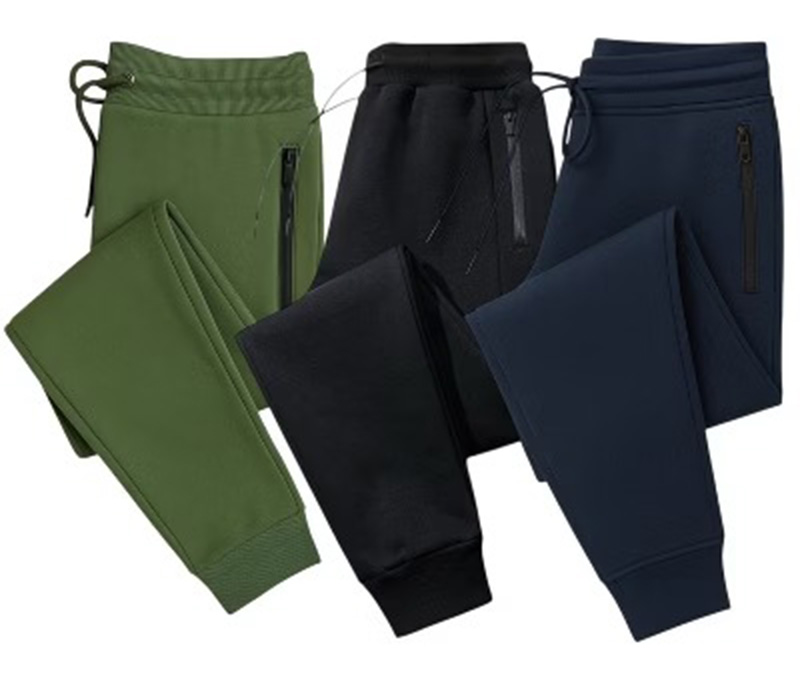
Joggers moved from sportswear into everyday fashion because they kept the comfort of athletic pants while adding a cleaner and more controlled silhouette. Their tapered leg, elastic waist, and easier styling made them more acceptable in daily wardrobes than loose traditional training pants.
From a product development perspective, this transition makes sense. A garment with strong mobility and a cleaner leg line can enter more markets than a garment built only for exercise. Joggers became stronger once people realized they could wear them with T-shirts, hoodies, knitwear, outerwear, and sneakers without looking like they had just left a workout.
At Fusionknits, this crossover from sportswear to lifestyle wear is one of the key reasons joggers remain commercially strong. A product becomes much more scalable when it can serve multiple occasions without losing its identity.
Why joggers adapted so well beyond sportswear
- They offered movement and comfort
- They looked cleaner than classic sweatpants
- They matched sneakers and casual layers easily
- They fit into travel and off-duty wardrobes
- They worked across men’s, women’s, and youth markets
Why this shift mattered in apparel
The garment became more versatile
A sportswear-only product has a narrower use case than a lifestyle-ready category.
The silhouette improved
A tapered shape helped joggers look more intentional and less oversized.
The styling became easier
Customers could integrate joggers into existing wardrobes without changing everything else.
A simple category shift view
| Stage | Jogger identity |
|---|---|
| Early sportswear | Functional athletic trouser |
| Casual crossover | Comfortable everyday pant |
| Modern fashion use | Streetwear and lifestyle staple |
That is why joggers became bigger than sportswear. They solved a broader wardrobe problem.
Why do joggers feel more wearable than regular sweatpants?
Many people group joggers and sweatpants together, but they do not always play the same role. Joggers usually feel more adaptable because their shape is more controlled and their visual line is cleaner.

Joggers feel more wearable than regular sweatpants because they usually have a tapered leg, cleaner ankle finish, and more shaped silhouette. This makes them easier to style in everyday outfits and gives them broader appeal in casual fashion, travelwear, and streetwear.
Regular sweatpants often prioritize softness and ease above everything else. Joggers do that too, but they usually add more structure. That added structure changes how the garment behaves with footwear, outerwear, and layered tops. A sneaker works especially well with joggers because the tapered leg allows the shoe to remain visible and intentional.
At Fusionknits, this shaped silhouette is one of the most commercially important differences in jogger development. The product stays comfortable, but the outline is more useful in modern styling.
What usually makes joggers easier to wear
- More controlled lower leg shape
- Cleaner ankle construction
- Less visual excess around the hem
- Better pairing with sneakers and casual footwear
- More balanced silhouette in daily outfits
Why shape matters so much
Too much volume can weaken styling
Loose unstructured pants are harder to integrate into broad casual wardrobes.
A cleaner hem improves proportion
The lower half of the outfit looks more defined.
Better shape increases commercial flexibility
A cleaner jogger can work in more settings than a softer training pant.
Joggers versus sweatpants
| Product factor | Joggers | Regular sweatpants |
|---|---|---|
| Leg shape | More tapered | Often looser |
| Outfit use | Broader lifestyle styling | More limited casual use |
| Visual control | Higher | Lower |
That is why joggers often feel more wearable in real wardrobes than standard sweatpants.
Why do customers choose joggers for daily comfort?
Comfort is still one of the biggest reasons joggers remain successful. Even when customers talk about style, comfort usually stays underneath the decision. The difference is that joggers deliver comfort without forcing the wearer into a strictly athletic or homewear look.
Customers choose joggers for daily comfort because they offer softness, ease of movement, flexible waist fit, and low restriction while still looking more intentional than lounge-only pants. They give people the comfort they want for long hours of wear without requiring the structure of denim or formal trousers.
From a manufacturing perspective, this comfort comes from several technical choices working together. Fabric softness, waistband construction, hip ease, thigh room, and ankle shaping all affect whether the garment feels natural in real movement. The best joggers do not only look comfortable. They are engineered to perform comfortably.
At Fusionknits, jogger comfort is always tied to fabric and fit at the same time. A soft fabric alone is not enough. The pattern must support sitting, walking, commuting, and all-day wear.
What makes joggers comfortable in daily use
- Elastic or flexible waistband
- Soft knit or stretch-based fabric
- Ease through the hip and thigh
- Controlled but non-restrictive leg shape
- Light enough feel for long wear
Why this comfort matters commercially
Customers repeat-wear comfortable garments more often
A useful garment becomes part of daily rotation quickly.
Comfort now influences fashion decisions more strongly
People no longer separate style and comfort as strictly as before.
Better comfort increases category loyalty
Customers who trust one good jogger often buy the category again.
Comfort overview
| Comfort element | Product benefit |
|---|---|
| Elastic waist | Flexible fit |
| Soft fabric | Better daily wear feel |
| Easy movement | Less physical restriction |
| Balanced taper | Cleaner look without discomfort |
That is why joggers continue to win in everyday wardrobes. They are built to feel easy.
How did lifestyle changes make joggers more popular?
Jogger growth is closely connected to broader lifestyle changes. Modern wardrobes now need to support commuting, hybrid work, travel, light activity, home use, and casual social settings. One garment that can move across these situations becomes much more valuable.
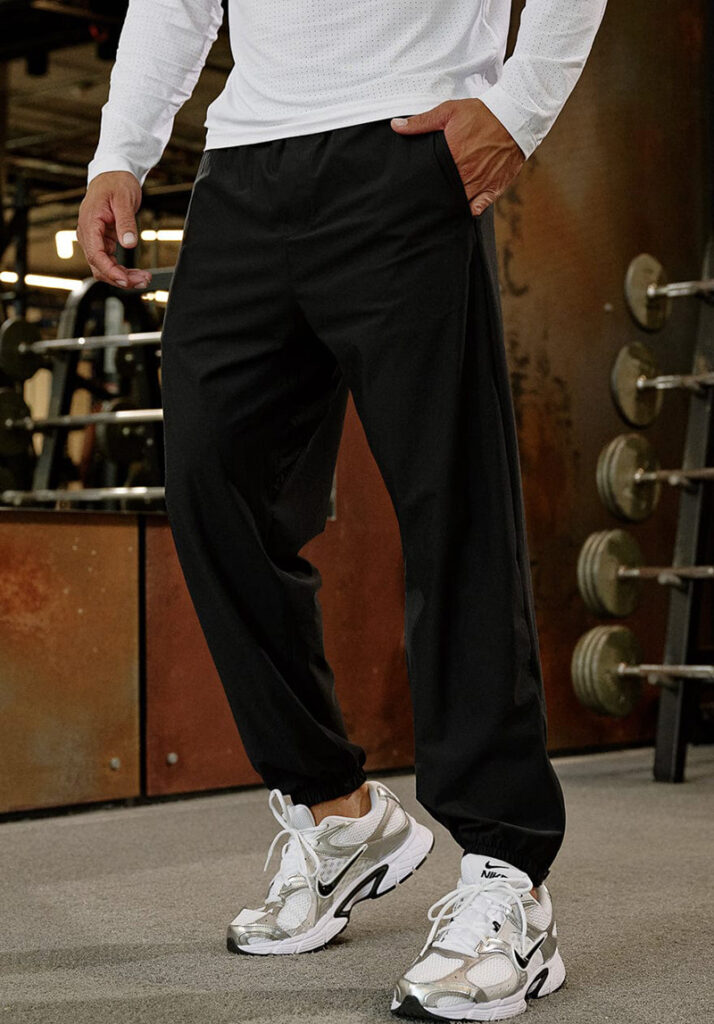
Lifestyle changes made joggers more popular because people now want garments that work across multiple settings without requiring full outfit changes. Joggers fit this demand by offering comfort for home, practicality for travel, and enough visual structure for casual public wear.
This is one of the biggest reasons joggers expanded so quickly. When clothing categories become multifunctional, they gain stronger long-term relevance. Joggers became part of this shift because they adapted well to real-life use patterns, especially in more flexible daily routines.
At Fusionknits, this kind of wardrobe change is important in collection planning. A product grows commercially when it fits how people actually live, not only how they dress in idealized fashion scenarios.
Lifestyle shifts that helped joggers grow
- More casual work environments
- More hybrid schedules
- More travel-focused dressing
- Higher demand for comfort-led wardrobes
- Stronger acceptance of athleisure and relaxed styling
Why these changes favored joggers
The garment works across different parts of the day
It can move from home to errands to travel more easily than many other pants.
Formal dressing reduced in many markets
This gave comfort-driven categories more room to expand.
People wanted lower-friction wardrobes
Easy-to-style garments became more valuable.
Lifestyle change guide
| Lifestyle need | Why joggers fit |
|---|---|
| Hybrid routines | Easy all-day wear |
| Travel | Comfort plus mobility |
| Casual dressing | Natural category fit |
| Work-from-home wardrobes | Better than strict formal pants |
That is why joggers became more than a fashion trend. They matched a real shift in daily life.
Why do joggers work so well in streetwear and modern casualwear?
Joggers succeeded not only because they are comfortable, but also because they became visually compatible with modern casual styling. They work especially well with sneakers, hoodies, tees, bomber jackets, puffers, and lightweight knits.
Joggers work so well in streetwear and modern casualwear because their tapered shape, sport-inspired identity, and easy layering function make them compatible with the broader visual language of sneakers, oversized tops, utility jackets, and relaxed urban styling.
Streetwear helped joggers become more visible and more fashion-acceptable. Once joggers were no longer seen only as workout clothing, brands could reinterpret them in better fabrics, slimmer silhouettes, heavier premium fleece, cleaner trims, and more directional colors.
At Fusionknits, jogger styling strength comes from category balance. They are relaxed, but not shapeless. They are casual, but not careless. That middle space is exactly what makes them so useful in modern fashion.
Why joggers match modern casualwear so well
- They pair naturally with sneakers
- They support layered outfits
- They fit both slim and relaxed top silhouettes
- They feel current without being too formal
- They can shift from sporty to premium depending on fabric
Why streetwear helped the category grow
Streetwear values comfort and silhouette together
Joggers meet both of those priorities.
Joggers carry movement and attitude
They feel more active than classic lounge pants.
The category is easy to reinterpret
Brands can change fit, weight, trim, and finish while keeping the jogger identity clear.
Styling overview
| Styling context | Jogger advantage |
|---|---|
| Streetwear | Tapered athletic shape |
| Casualwear | Easy outfit building |
| Travelwear | Comfort with clean silhouette |
| Athleisure | Direct category compatibility |
That is why joggers feel so natural in the modern casualwear landscape.
What fabric and fit choices made joggers even more popular?
The growth of joggers also depends on product engineering. Better fabrics and better fit development helped turn them from simple sportswear into a category with broader commercial appeal.

Joggers became more popular because fabric and fit choices improved. Softer fleece, stable jersey, interlock knits, ponte, technical blends, and better tapered patterns allowed joggers to feel more polished, more durable, and more wearable in non-athletic settings.
A badly developed jogger can still look weak, bulky, or too casual. But when the fabric has enough body and the fit is controlled through the hip, thigh, knee, and ankle, the jogger becomes much easier to wear. This is especially important in premium and fashion-led jogger programs.
At Fusionknits, jogger success usually depends on three linked technical areas: fabric hand feel, pattern control, and hem shaping. If any of these areas fail, the product often loses balance.
Fabric choices that strengthened jogger development
- Brushed fleece for warmth and comfort
- Compact jersey for cleaner daily wear
- Ponte or double-knit for more structure
- Cotton blends for breathability and softness
- Performance blends for stretch and recovery
Fit improvements that increased wearability
Better taper
The leg became cleaner without becoming tight.
Better waistband engineering
Comfort improved without looking sloppy.
Better lower-leg control
Footwear styling and overall silhouette improved.
Fabric-and-fit guide
| Development area | Jogger result |
|---|---|
| Cleaner knit fabric | More polished appearance |
| Stable stretch blend | Better movement and recovery |
| Controlled taper | Better proportion |
| Structured waistband | Better comfort and finish |
That is why joggers became much stronger once brands improved their technical execution.
Why do joggers appeal across different ages and markets?
One reason joggers remain so visible is that they are not limited to one narrow customer group. They work across age ranges because the category can shift in styling and fabrication without losing its basic identity.
Joggers appeal across different ages and markets because the category can be developed in multiple ways. Younger customers may prefer streetwear joggers, while broader commercial markets may prefer cleaner minimal joggers, travel joggers, or premium knit joggers with softer structure and quieter styling.
This broad adaptability makes joggers extremely useful in global apparel development. A category that can exist in entry-level casualwear, premium essentials, activewear, and fashion-led streetwear has much stronger long-term value than a more limited garment type.
At Fusionknits, category flexibility is one of the strongest reasons joggers remain important in collection planning.
Why joggers work across markets
- Easy to adjust in fabric and weight
- Easy to adapt in fit direction
- Works in sporty, minimal, and urban aesthetics
- Easy to sell in both men’s and women’s markets
- Useful across climate and season categories
Why broad customer appeal matters
The category becomes less trend-dependent
A useful product survives longer than a narrowly fashion-only garment.
Brands can reinterpret it repeatedly
The jogger stays relevant through controlled variation.
Customers understand the product quickly
That lowers styling hesitation and improves adoption.
Market overview
| Market direction | Jogger style fit |
|---|---|
| Streetwear | Relaxed and sneaker-focused |
| Premium basics | Clean and minimal |
| Travelwear | Soft and practical |
| Active casualwear | Performance-driven |
That is why joggers continue to expand rather than fade. They fit too many customer needs to stay narrow.
How should brands respond to jogger demand in product development?
The strongest response is not simply to add more joggers. It is to understand why joggers work and then build the right versions for the target customer. Good joggers are not generic. They need category clarity.
Brands should respond to jogger demand by developing products with clear purpose, strong comfort engineering, balanced silhouette, suitable fabric choice, and honest market positioning. The best joggers are the ones that match real customer use rather than trying to serve every function at once.
At Fusionknits, jogger development works best when brands ask practical questions first. Is the jogger meant for travel, athleisure, streetwear, premium essentials, or lounge-driven casualwear? Once that is clear, fabric, fit, waistband, pocket design, and ankle finish become easier to control.
Better jogger-development questions
- What is the main use of the jogger?
- How tapered should the leg be?
- Should the product feel sporty, premium, or casual?
- Does the fabric support all-day wear?
- Does the fit match the target customer’s styling habits?
Why this approach builds stronger products
It improves category clarity
The jogger feels intentional instead of generic.
It improves wearability
The customer understands when and how to use it.
It improves sell-through potential
A clear product usually performs better than a vague one.
Development guide
| Product goal | Better jogger direction |
|---|---|
| Travel and comfort | Soft stable knit with easy fit |
| Streetwear | More visible silhouette control |
| Premium basics | Cleaner surface and refined taper |
| Athleisure | Performance fabric and movement support |
That is how brands can turn jogger demand into stronger and more lasting product categories.
Conclusion
Everyone is wearing joggers because joggers solve several modern wardrobe needs at once. They offer comfort, movement, relaxed styling, and enough silhouette control to work beyond sportswear. Their rise came from a powerful combination of lifestyle change, better product engineering, casual dress acceptance, and streetwear influence. Joggers succeeded because they are easier to wear than traditional sweatpants and more comfortable than many structured everyday pants.
At Fusionknits, joggers are successful because they are built on strong product logic. They combine soft fabric, practical fit, and versatile styling in a way that fits how people live now.
When brands understand why customers keep choosing joggers, they can develop better versions with clearer positioning, stronger comfort, and more dependable long-term value in modern apparel collections.