
Many buyers hear the word jogger and assume it is only a trend term. In apparel development, the name actually makes practical sense. The category grew from sport and training language, then moved into everyday casualwear as the silhouette became more widely accepted.
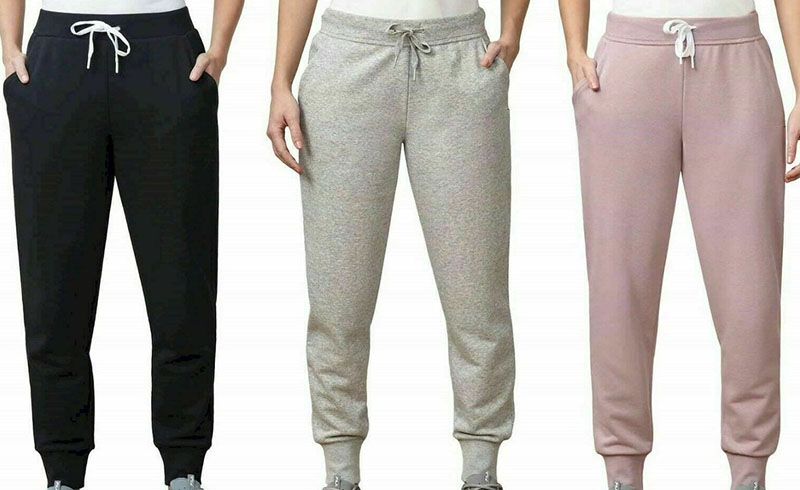
Jogger pants are called jogger pants because the name comes from jogging and athletic movement. The term connects the garment to pants designed for exercise, comfort, and motion, and today it also describes a specific tapered silhouette with an elastic or drawstring waist and usually cuffed ankles. Merriam-Webster defines joggers as pants with a drawstring or elastic waist and usually tapered legs with snug cuffs, worn especially for exercise or comfort.
At Fusionknits, we see jogger pants as a category where function and silhouette came together. The name began with movement, but over time it also became the easiest way for the market to identify a specific pant shape.
Does the word “jogger” come from jogging?
Yes. This is the clearest starting point. The word jogger originally refers to a person who jogs, and that athletic meaning explains why the garment name developed the way it did. Merriam-Webster still lists the primary meaning of jogger as someone who jogs for exercise.
Yes, the word “jogger” comes from jogging. In clothing, jogger pants took that movement-based word and applied it to pants associated with exercise, comfort, and later a more defined athletic-casual silhouette. Merriam-Webster’s apparel definition shows how the term now refers not just to a person, but also to a specific pants style.
At Fusionknits, this is important because many product names begin with function. A sweatshirt came from sweat and sport. A tracksuit came from track activity. In the same way, jogger pants connect directly to movement language.
Why the name makes sense
- It comes from jogging
- It reflects athletic roots
- It suggests ease of movement
- It links comfort with activity
- It now also identifies a silhouette
Why movement-based naming is common in apparel
Sportswear language often stays even after styling changes
Many products begin in training or athletic use, then move into fashion.
Customers remember function-based names easily
“Jogger” is short, direct, and easy to understand.
| Word origin | Meaning |
|---|---|
| Jogger | Originally, a person who jogs |
| Jogger pants | Pants linked to jogging, exercise, or that movement-based style |
Were jogger pants originally made for exercise?
Yes, in the broader historical sense. The roots of jogger pants sit inside athletic and training apparel. Sweatpants themselves were originally created for athletes in the 1920s, and later sport-derived legwear evolved into what the market now separates as joggers. Secondary fashion histories consistently connect sweatpants and later jogger evolution to athletic training use.

Yes, jogger pants were originally connected to exercise and training use. The name stayed because the product was associated with running, warm-up wear, and easy movement before it became a modern casualwear staple. This is also reflected in recent retail explanations that describe jogger pants as originally designed for people who exercised or played sports.
At Fusionknits, we usually explain joggers as a modern branch of athletic knit bottoms. The sport origin came first. The fashion reinterpretation came later.
Why athletic origin matters
- The category began with movement
- Comfort was part of the product from the start
- Soft knit fabrics matched training needs
- Tapered ankles later improved shape and control
Why that origin still affects the product today
Joggers still carry an active identity
Even when worn casually, they still look sport-influenced.
The market expects comfort from them
The athletic root still shapes customer expectations.
| Product stage | Main role |
|---|---|
| Early athletic knit pants | Training and comfort |
| Modern joggers | Casual, athleisure, and active-inspired wear |
Is “jogger pants” a name for function or for shape?
Today, it is both. The name started from function, but in the modern market it is also one of the main words used to describe a particular silhouette. Merriam-Webster’s current definition includes the typical design features: elastic or drawstring waist, tapered legs, and snug cuffs.
Today, “jogger pants” refers to both the category’s athletic origin and a specific silhouette. In modern apparel, the word often tells the buyer that the pants are tapered, cuffed, and comfort-led, not just that they are meant for jogging.
At Fusionknits, this double meaning is very important in sourcing. A buyer may use “jogger” to describe the style shape rather than the use. That means the manufacturer must understand whether the priority is exercise, casualwear, or streetwear.
What the name means in today’s market
- Athletic origin
- Casual comfort identity
- Tapered leg shape
- Cuffed or controlled ankle
- Everyday athleisure association
Why shape now matters so much
The category moved beyond sport
Joggers are now common in travelwear, streetwear, and lounge collections.
The silhouette became commercially recognizable
The market now reads “jogger” as a design signal, not only a sport signal.
| Meaning type | How “jogger” is used |
|---|---|
| Original meaning | Linked to jogging and movement |
| Current fashion meaning | Linked to tapered comfort pants |
Why didn’t the market just keep calling them sweatpants?
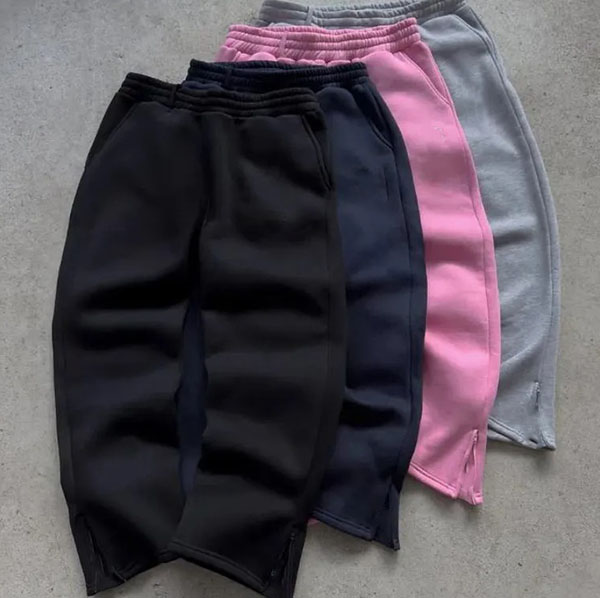
Because the silhouette changed enough to need a clearer name. Sweatpants remained associated with looser, more traditional comfortwear. Joggers became the easier label for the cleaner tapered version. Recent dictionary and fashion usage reflects that separation, with joggers now treated as their own recognized pants category.
The market did not only keep calling them sweatpants because joggers developed a different identity. Sweatpants usually suggest a softer, looser, more lounge-led product, while joggers suggest a more tapered and style-ready version of athletic casual pants.
At Fusionknits, this difference matters in product briefs. A jogger is not only a sweatpant with a different name. The fit, lower-leg shape, and styling role often shift enough to justify separate category language.
Why the new label became useful
- Joggers looked more updated
- The tapered leg needed a clearer category
- Athleisure created more product specialization
- Retail needed a word for the newer silhouette
Why “sweatpants” and “joggers” now feel different
Sweatpants usually suggest softer volume
The product reads more lounge and classic comfortwear.
Joggers suggest a cleaner lower leg
The product reads more everyday-casual and style-conscious.
| Category word | What buyers often expect |
|---|---|
| Sweatpants | Looser comfort knit bottoms |
| Joggers | Tapered comfort knit bottoms |
Did fashion brands help turn “jogger pants” into a silhouette name?
Yes. In the 2010s, brands helped push “jogger” from a movement-based term into a more clearly defined style category. One often-cited streetwear account describes “The Jogger Pant” as a way for people to identify the silhouette, not just the function.

Yes, fashion brands helped turn “jogger pants” into a silhouette name by using the term to identify tapered, cuffed casual pants that were easy to recognize and easy to market. Over time, the industry adopted “jogger” as a style label as much as a functional one.
At Fusionknits, this shift is a good example of how apparel language evolves. A word can begin in sport, then be refined by brands, and finally become a standard retail category.
How the term became stronger in fashion
- Streetwear adopted it
- Retail needed a cleaner label
- The tapered silhouette became popular
- Athleisure made the product mainstream
Why that shift matters for brands
Naming affects customer expectation
A buyer expects a certain leg shape when the product is called a jogger.
The term now carries style value
It suggests more than workout clothing.
| Stage | Meaning of “jogger” |
|---|---|
| Early sportswear | Exercise-linked pants |
| Modern retail | Tapered casual pant category |
So what is the simplest real answer?
The simplest answer should explain both the origin and the current use clearly.
Jogger pants are called jogger pants because the name comes from jogging and athletic movement, but today the term also refers to a specific tapered, cuffed casual-pants silhouette. The word began with sport, then expanded into modern fashion and everyday comfortwear.
At Fusionknits, this is the most practical explanation for buyers and brands. The name still reflects movement, but the market now reads it as both a functional idea and a product shape.
Conclusion
Jogger pants are called jogger pants because the word comes from jogging and originally referred to pants connected to exercise, movement, and athletic comfort.
Over time, the term evolved beyond pure sport use and became the market’s preferred name for a specific kind of casual pant: one with an elastic or drawstring waist, a tapered leg, and usually a cuffed ankle. That means the name now carries both its original athletic meaning and its current silhouette meaning.
At Fusionknits, we see jogger pants as a strong example of how apparel language changes with product development. A movement-based term became a design category because the market needed a clear way to describe a more modern comfortwear silhouette. Understanding that shift helps brands describe products more accurately, helps buyers build better tech packs, and helps customers know what kind of fit they are actually buying.