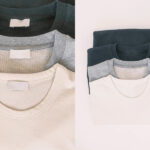
Many buyers use the term “fitted t-shirt” without defining what it really means. That creates confusion in product development, sampling, and sales. One buyer may mean a slim body with narrow sleeves. Another may mean a stretch jersey tee that follows the body closely. If the fit language is unclear, the final garment can easily miss the target customer.
At Fusionknits, we define a fitted t-shirt as a t-shirt designed to follow the natural shape of the body more closely than a regular-fit tee, without becoming as tight as compression wear. A fitted t-shirt usually has a cleaner chest line, a more controlled waist, a closer sleeve shape, and a more intentional silhouette. The goal is balance. The tee should look sharp and modern, but it should still feel comfortable in daily wear.
As a professional clothing manufacturer, we see fitted t-shirts as one of the most commercially important basic categories. They sit between oversized fashion tees and standard relaxed basics. That makes them highly useful in premium basics, sports-inspired casualwear, branded merchandise, and retail core collections.
How is a fitted t-shirt different from a regular t-shirt?
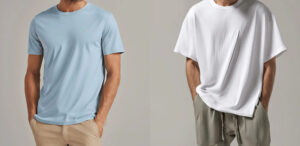
The main difference is silhouette. A regular t-shirt usually leaves more room through the chest, waist, and sleeve opening. A fitted t-shirt reduces some of that volume to create a closer and more shaped look. It still allows movement, but it removes excess fabric that can make a tee look loose or less polished.
At Fusionknits, we treat fit as a pattern and balance issue, not just a size issue. A fitted t-shirt is not simply a smaller regular t-shirt. It is a separate fit concept. The armhole may sit higher, the side seam may be shaped more clearly, and the sleeve may be cut narrower. All of these details help the tee follow the body in a more refined way.
That difference matters in production because a fitted t-shirt needs better pattern control. If the fit becomes too narrow in the wrong place, the tee can pull, twist, or feel restrictive. A good fitted tee should feel intentional, not tight for the sake of being tight.
Key differences between fitted and regular tees
- Closer chest and waist shape
- Narrower sleeve opening
- Less excess fabric around the torso
- Cleaner silhouette under jackets or overshirts
- More body-aware pattern balance
Why buyers should not confuse the two
A fitted tee is not just one size down
Shrinking the size alone often ruins proportion.
Fit changes the product identity
The same fabric can feel premium or basic depending on the fit shape.
| Fit type | Visual effect |
|---|---|
| Regular fit | Relaxed and classic |
| Fitted fit | Sharper and more body-conscious |
What shape does a fitted t-shirt usually have?
A fitted t-shirt usually has a slightly shaped body. It may be straighter in some menswear programs, or more tapered in womenswear and fashion-focused collections. The chest is usually controlled, the waist is slightly cleaner, and the sleeves often sit closer to the arm.

At Fusionknits, we build fitted t-shirts around proportion, not extreme tightness. A strong fitted shape usually includes a balanced shoulder width, a stable neckline, moderate chest ease, a controlled waist, and sleeves that support the overall silhouette. If one part is over-tightened, the whole tee can look unbalanced.
Length is also important. A fitted t-shirt should usually stay long enough to feel secure during wear, but not so long that it loses its clean line. The body should skim rather than cling. That is one of the biggest differences between a fitted fashion basic and a compression garment.
Common shape features in a fitted tee
- Balanced shoulder line
- Slight body taper
- Closer sleeve fit
- Controlled hem width
- More polished torso shape
Why proportion matters more than tightness
A fitted tee should still move well
The wearer should be able to sit, walk, and lift comfortably.
Good fit improves appearance
The tee should look cleaner because the cut is better, not because the garment is overly tight.
| Pattern area | Fitted t-shirt approach |
|---|---|
| Chest | Closer but not compressed |
| Waist | Slightly shaped |
| Sleeves | Cleaner and narrower |
| Body length | Controlled and balanced |
What fabrics are best for a fitted t-shirt?
Fabric matters a lot in this category. A fitted t-shirt usually looks best when the fabric has enough recovery to hold shape well. Common choices include cotton jersey, cotton-spandex jersey, modal blends, polyester-cotton blends, and premium combed cotton knits. The exact choice depends on whether the brand wants a casual, premium, or performance-driven result.
At Fusionknits, we often recommend cotton-rich jersey or cotton-stretch blends for fitted t-shirts because these fabrics offer softness, shape retention, and enough flexibility to support a body-conscious silhouette. If the fabric is too soft and unstable, the tee may stretch out and lose its clean line. If it is too rigid, the fitted shape may feel restrictive.
This is why fabric weight also matters. Very light fabric can become too revealing in a fitted body. Very heavy fabric can feel bulky and reduce the clean effect. In most cases, a medium-weight jersey performs better because it gives enough structure without losing comfort.
Common fitted t-shirt fabrics
- 100% combed cotton jersey
- Cotton-spandex jersey
- Cotton-modal blends
- Cotton-poly blends
- Performance jersey knits
What good fabric should do in a fitted tee
It should hold shape
A fitted silhouette needs better recovery than a loose one.
It should stay comfortable
The body-skimming effect should not create stiffness or pressure.
| Fabric type | Best use |
|---|---|
| Combed cotton jersey | Premium everyday fitted tee |
| Cotton-spandex | Fitted basics with stretch |
| Cotton-modal | Soft fashion fitted tee |
| Poly-cotton jersey | Durable branded or active basic |
Is a fitted t-shirt supposed to be tight?
Not necessarily. This is one of the biggest misunderstandings in the category. A fitted t-shirt should sit closer to the body than a regular tee, but it should not automatically feel tight. Tightness usually means there is too little ease in the wrong areas. A fitted tee should feel controlled and clean, not strained.
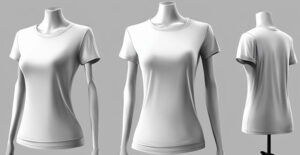
At Fusionknits, we describe a fitted t-shirt as body-following, not body-restricting. That means the garment should show shape more clearly, but still allow normal movement and comfortable wear. If the chest pulls, the sleeve cuts in, or the hem rides up too easily, the tee is too tight rather than properly fitted.
This distinction is important for both brands and end consumers. Many returns happen because a brand labels a garment “fitted” when it is actually “very slim” or “muscle fit.” Those are not always the same category.
A fitted tee should not do these things
- Pull across the chest
- Twist at the side seams
- Feel restrictive in the armhole
- Become overly transparent under stretch
- Ride up too easily during movement
Why correct ease matters
Comfort is part of fit
A tee that looks good but feels bad will not become a repeat seller.
The customer notices when the shape feels intentional instead of forced.
| Fit description | Meaning |
|---|---|
| Fitted | Closer to body, still comfortable |
| Tight | Too little ease |
| Compression | Performance-focused skin-tight fit |
Who usually wears fitted t-shirts?
Fitted t-shirts appeal to a wide group of consumers. Some buyers choose them because they want a neater silhouette. Others wear them under jackets, overshirts, or blazers where excess fabric would create bulk. They are also common in gym-adjacent casualwear, premium basics, and fashion retail where cleaner lines matter.
At Fusionknits, we see fitted t-shirts perform especially well in markets where customers want a polished casual look without moving into formalwear. This includes urban basics, branded uniforms, contemporary menswear, womenswear layering pieces, and elevated everyday collections.
The category also sells well because it feels more intentional than a loose tee. A customer can wear a fitted t-shirt with jeans, chinos, joggers, shorts, or layered tailoring and still look put together. That styling flexibility keeps the category commercially strong.
Common customers for fitted tees
- Premium basics buyers
- Layering-focused customers
- Fashion-conscious casualwear buyers
- Gym-lifestyle consumers
- Retail uniform and branded apparel users
Why the category stays strong
It bridges comfort and polish
The tee still feels easy, but it looks more refined.
It works in many wardrobes
A fitted silhouette can move between casual and smart-casual styling easily.
| Customer need | Why fitted tees work |
|---|---|
| Cleaner silhouette | Less extra fabric |
| Layering | Better under outer layers |
| Everyday style | More polished than loose basics |
How do manufacturers develop a fitted t-shirt correctly?
A fitted t-shirt needs more technical control than many people expect. Pattern balance, fabric recovery, shrinkage allowance, and size grading all matter. If the fit is only tested in one sample size, the final size range can become inconsistent. A fitted tee must keep its identity across the full size run.

At Fusionknits, we develop fitted t-shirts through a combination of pattern shaping, fabric testing, wear fitting, and graded size review. We do not rely on visual fit alone. We check how the tee behaves after washing, how the side seam hangs, how the neckline recovers, and whether the sleeve shape stays balanced through the size range.
This process is especially important when stretch fabrics are involved. Stretch can improve comfort, but it can also hide pattern problems during early fitting. A good fitted tee must still work structurally, not only because the fabric stretches.
Development steps for a fitted tee
- Define target silhouette clearly
- Match fabric to fit direction
- Test shrinkage and recovery
- Review movement comfort
- Grade pattern carefully across sizes
Why this is important
The fit must stay consistent
A fitted tee that works only in size M is not a strong commercial product.
Fabric and pattern must support each other
Neither one can solve the whole problem alone.
| Development area | What it controls |
|---|---|
| Pattern shape | Visual silhouette |
| Fabric recovery | Shape retention |
| Shrinkage control | Post-wash consistency |
| Grading | Multi-size accuracy |
What styling and branding works best on a fitted t-shirt?
A fitted t-shirt often works best with cleaner branding and more controlled decoration. Because the garment already has shape, oversized graphics can sometimes overwhelm it. Smaller chest logos, refined embroidery, tonal prints, and minimal brand language often feel more premium on fitted bodies.
At Fusionknits, we usually recommend cleaner decoration for fitted t-shirts because the silhouette already creates part of the visual impact. This makes the category especially strong for premium basics, modern private-label programs, and elevated branded merchandise.
That said, graphic use still depends on the brand identity. A strong fashion brand may use larger artwork if the body and print placement are balanced well. The key is to respect the tighter visual space of a fitted tee.
Decoration styles that often work well
- Small chest embroidery
- Minimal screen print
- Tonal branding
- Clean neck labels
- Premium finishing details
Why balance matters
The body already creates shape
The print should support the garment, not fight it.
Cleaner decoration often looks more expensive
A refined fitted tee can feel more premium with less visual noise.
| Branding style | Best effect on fitted tee |
|---|---|
| Small logo | Clean and polished |
| Tonal print | Modern and understated |
| Oversized graphic | Needs careful placement |
Why is a fitted t-shirt important in a brand collection?
A fitted t-shirt helps complete the range. If a brand only offers oversized and regular fits, it misses customers who want sharper daily basics. The fitted tee often becomes an important bridge product between relaxed casualwear and more styled dressing.
At Fusionknits, we see fitted t-shirts as a key collection tool because they add shape diversity and improve wardrobe flexibility. They can sit beside oversized fashion tees, regular core basics, and performance tops while serving a different customer need. This gives the collection more depth and improves the chance of repeat purchasing.
The fitted tee also helps brands segment their audience more clearly. One body fit does not serve every customer. A strong basics line usually performs better when it offers at least one more controlled silhouette alongside a regular fit.
Why fitted tees matter in retail
- They expand fit choice
- They attract cleaner-style customers
- They work well in layering programs
- They support premium basics positioning
Why brands should include them
Different customers want different silhouettes
Fit variety improves range strength.
A fitted tee often becomes a repeat basic
Once customers find the right one, they often buy again in multiple colors.
| Collection role | Value to brand |
|---|---|
| Fit diversification | Broader customer reach |
| Premium basic | Strong repeat potential |
| Layering essential | Better wardrobe integration |
Conclusion
A fitted t-shirt is a t-shirt designed to follow the body more closely than a regular-fit tee, while still keeping enough ease for comfort and movement. It is not the same as a tight tee, and it is not simply a smaller regular shirt. A true fitted t-shirt depends on balanced pattern development, the right fabric, controlled sleeve shape, and enough recovery to maintain its clean silhouette over time.
At Fusionknits, we approach fitted t-shirts as an important core category in modern apparel manufacturing. We focus on proportion, fabric behavior, size grading, and wear comfort so that the final garment looks sharp without feeling restrictive.
That is why a strong fitted t-shirt can become one of the most valuable basics in a collection. It offers a cleaner silhouette, supports better layering, and gives the customer a more polished everyday option that still feels easy to wear.