Many new gym clothing brands focus heavily on logo design and social media marketing, but underestimate the actual production, sourcing, and operational costs behind activewear manufacturing. Poor budget planning often creates inventory pressure and cash flow problems during the early stages.
Starting a gym clothing brand typically costs between $3,000 and $50,000 depending on product quantity, fabric quality, customization level, marketing strategy, and manufacturing method. Small private label launches require lower investment, while fully customized activewear brands need higher development budgets.
At Fusionknits, many startup activewear brands begin with small product categories before gradually expanding into larger collections. Production planning, fabric selection, and supplier communication all affect the overall startup cost.
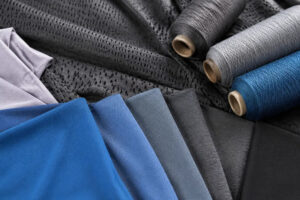
What Factors Affect The Cost Of Starting A Gym Clothing Brand?
The total startup cost depends on multiple business and production decisions.
The cost of starting a gym clothing brand depends on product type, manufacturing quantity, fabric quality, branding requirements, packaging, logistics, and marketing expenses.
Different business models create very different budget structures.
Product Type Strongly Affects Cost
Some activewear products are more expensive to manufacture.
For example:
| Product Type | Typical Production Complexity |
|---|---|
| Basic T-shirts | Low |
| Joggers | Medium |
| Compression wear | High |
| Seamless leggings | High |
| Sports bras | Medium to High |
Technical activewear usually requires more advanced fabrics and construction methods.
Fabric Quality Changes Manufacturing Cost
Fabric is one of the biggest cost factors in activewear production.
Premium fabrics may include:
- Nylon-spandex blends
- Recycled polyester
- moisture-wicking knits
- Compression fabrics
Higher-quality materials improve performance but increase production pricing.
Customization Increases Development Costs
Fully customized products usually require:
- Custom patterns
- Fabric dyeing
- Silicone logos
- Custom packaging
- Private labels
More customization creates higher development and sampling costs.
Order Quantity Affects Unit Price
Low MOQ production often increases unit cost.
Larger orders usually reduce:
- Fabric pricing
- Printing cost
- Packaging cost
- Shipping cost per piece
At Fusionknits, MOQ planning is often adjusted based on product category and customization level.
Can You Start A Gym Clothing Brand With A Small Budget?
Many startup brands begin with limited capital.

It is possible to start a gym clothing brand with a small budget by using private label manufacturing, limited product categories, and low initial inventory quantities.
Small launches are becoming more common in modern activewear markets.
Private Label Manufacturing Reduces Costs
Private label production uses pre-developed garment styles.
This reduces:
- Pattern development costs
- Sampling expenses
- Production complexity
Brands can add:
- Custom logos
- Neck labels
- Packaging
- Color selection
This model is popular among startup apparel brands.
Starting With Fewer Products Lowers Risk
New brands often begin with:
- T-shirts
- Shorts
- Joggers
- Hoodies
Limiting the product range helps reduce:
- Inventory pressure
- Sampling costs
- Storage expenses
Many successful brands started with only one or two core products.
Social Media Reduces Marketing Costs
Modern gym clothing brands often rely heavily on:
- TikTok
- Fitness influencers
- Community marketing
Digital promotion lowers advertising costs compared to traditional retail marketing.
Small Batch Production Is More Common Today
Many manufacturers now support smaller production runs.
This helps startups:
- Test the market
- Reduce inventory risk
- Improve cash flow management
However, smaller orders usually have higher unit pricing.
How Much Does Activewear Manufacturing Usually Cost?
Manufacturing cost depends on product complexity and material selection.
Gym clothing manufacturing costs can range from $5 to $40 per piece depending on fabric quality, construction difficulty, customization level, and order quantity.
Technical activewear products usually cost more than casual apparel.
Basic Activewear Products
Simple products usually have lower production costs.
Examples include:
| Product | Typical Manufacturing Complexity |
|---|---|
| Cotton gym T-shirt | Low |
| Basic shorts | Low |
| Fleece joggers | Medium |
These products are easier for startup brands to launch.
Technical Performance Apparel Costs More
Advanced activewear products often require:
- Compression fabrics
- flatlock stitching
- Seamless knitting
- Moisture-wicking finishing
These features increase both material and labor costs.
Fabric Selection Impacts Pricing
Technical fabrics usually cost more than standard cotton fabrics.
Premium activewear fabrics may include:
- Nylon-spandex blends
- four-way stretch knits
- Recycled polyester
- Brushed technical fabrics
Performance fabrics improve functionality but raise production budgets.
Sampling Costs Should Be Included
Most factories charge for product samples.
Sampling may include:
- Pattern development
- Fabric sourcing
- Prototype sewing
- Printing setup
At Fusionknits, sample development is an important stage before bulk production approval.
What Are The Main Startup Costs Besides Manufacturing?
Production cost is only one part of launching a gym clothing brand.
Additional startup costs may include branding, website development, packaging, photography, marketing, warehousing, and shipping expenses.
Many new brands underestimate operational costs outside manufacturing.
Branding And Logo Design
A professional brand image often requires:
- Logo development
- Brand identity design
- Product labels
- Packaging graphics
Strong branding helps improve market positioning.
Website And Ecommerce Setup
Most startup activewear brands sell online first.
Common ecommerce costs include:
- Shopify setup
- Domain registration
- Product photography
- Payment systems
Professional presentation improves customer trust.
Packaging Costs
Custom packaging may include:
- Polybags
- Hangtags
- Custom mailers
- Barcode stickers
Packaging affects both branding and customer experience.
Marketing And Content Creation
Marketing budgets vary significantly.
Common expenses include:
| Marketing Activity | Typical Purpose |
|---|---|
| Influencer promotion | Brand exposure |
| Paid social ads | Customer acquisition |
| Fitness collaborations | Community building |
| Content production | Visual branding |
Marketing often becomes one of the largest long-term business expenses.
Should New Brands Use OEM Or Private Label Manufacturing?
Manufacturing strategy affects startup cost and brand positioning.
Private label manufacturing is usually more affordable for startup brands, while OEM manufacturing offers higher customization and stronger brand differentiation.
Both models have advantages depending on business goals.
What Is Private Label Manufacturing?
Private label production uses existing garment templates.
Brands mainly customize:
- Logos
- Labels
- Packaging
- Colors
Advantages include:
- Faster production
- Lower development cost
- Lower MOQ
This model works well for new businesses.
What Is OEM Manufacturing?
OEM means original equipment manufacturing.
OEM production allows brands to customize:
- Patterns
- Fabrics
- Sizing
- Stitching
- Packaging
OEM products create stronger uniqueness but require higher investment.
OEM Usually Requires Higher MOQs
Custom development often increases:
- Fabric minimums
- Sampling cost
- Production timelines
OEM works better for brands with larger growth plans.
Hybrid Manufacturing Is Also Common
Some brands combine both models.
For example:
- Start with private label basics
- Add OEM collections later
This strategy helps reduce early-stage financial pressure.
How Much Inventory Should A New Gym Clothing Brand Start With?
Inventory planning affects both cash flow and operational risk.

New gym clothing brands should usually start with limited inventory quantities to reduce overstock risk and improve flexibility during early-stage market testing.
Inventory strategy should match the brand’s sales channel and target market.
Overstock Is A Common Startup Problem
Excess inventory creates:
- Storage costs
- Cash flow pressure
- Discounting problems
Many new brands overestimate early demand.
Small Product Drops Reduce Risk
Modern activewear brands often launch:
- Limited collections
- Seasonal drops
- Capsule products
This allows faster market feedback.
Core Products Usually Perform Better
New brands often focus on:
- Black leggings
- Neutral joggers
- Performance T-shirts
- Basic hoodies
Simple products are easier to manage and market.
Demand Forecasting Improves Over Time
As brands grow, sales data helps improve:
- Inventory planning
- Size allocation
- Seasonal forecasting
At Fusionknits, many growing activewear brands gradually increase production volumes after validating market demand.
What Mistakes Increase Startup Costs?
Many startup brands lose money because of poor production planning.
Common mistakes include over-ordering inventory, choosing the wrong manufacturer, poor fabric selection, excessive customization, and weak market positioning.
Careful planning helps reduce unnecessary expenses.
Too Many Product Categories
Launching too many products increases:
- Sampling costs
- Inventory complexity
- Production management difficulty
Focused collections are usually easier to scale.
Ignoring Fabric Quality
Low-quality activewear fabrics may create:
- Customer complaints
- High return rates
- Weak brand reputation
Fabric testing is important in sportswear manufacturing.
Choosing Suppliers Only By Price
Very cheap manufacturing often creates quality risks.
Problems may include:
- Poor stitching
- Inconsistent sizing
- Delayed shipments
- Weak communication
Reliable supplier relationships are important for long-term brand growth.
Weak Branding Strategy
Without clear positioning, products become harder to differentiate.
Strong activewear brands usually focus on:
- Target customer identity
- Product specialization
- Visual consistency
- Community building
Brand clarity improves marketing efficiency.
How Can Manufacturers Help New Gym Clothing Brands?
Experienced manufacturers often support startups beyond production itself.
Professional activewear manufacturers help brands with fabric selection, product development, technical guidance, sampling, and production planning.
Good manufacturing support helps reduce startup risks.
Fabric Recommendations Improve Product Development
Manufacturers often help brands select fabrics based on:
- Product category
- Climate conditions
- Performance goals
- Pricing targets
This improves product-market alignment.
Technical Guidance Reduces Production Errors
Experienced factories help identify:
- Construction issues
- Pattern problems
- Fabric limitations
- Printing compatibility
Early technical support improves production efficiency.
Sample Development Helps Product Testing
Sampling allows brands to evaluate:
- Fit
- Comfort
- Fabric performance
- Branding appearance
This reduces costly mistakes before bulk production.
Long-Term Manufacturing Partnerships Matter
Stable factory relationships improve:
- Product consistency
- Communication efficiency
- Delivery reliability
At Fusionknits, many activewear brands scale gradually through long-term production cooperation and structured manufacturing support.
Conclusion
Starting a gym clothing brand can cost anywhere from a few thousand dollars to much larger investments depending on product complexity, manufacturing method, customization level, and marketing strategy.
Private label production usually offers a lower-risk entry point, while OEM manufacturing provides greater customization and long-term brand differentiation.
At Fusionknits, activewear manufacturing focuses on fabric quality, production consistency, and flexible development support for growing apparel brands. Careful product planning, controlled inventory management, and reliable manufacturing partnerships are important for building a sustainable gym clothing business.