Many apparel buyers focus only on product pricing without understanding how global manufacturing regions affect quality, production capacity, supply chain stability, and delivery efficiency. Choosing the wrong sourcing market can create serious long-term business challenges.
China is currently the biggest producer of clothes in the world because of its large manufacturing capacity, integrated textile supply chain, skilled workforce, and advanced production infrastructure. Other major clothing-producing countries include Bangladesh, Vietnam, India, and Turkey.
At Fusionknits, global apparel sourcing trends are closely connected to manufacturing efficiency, fabric availability, labor specialization, and international supply chain development. Different countries offer different advantages depending on product category and business goals.
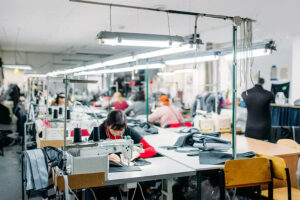
Why Is China The Largest Clothing Producer?
China continues to dominate the global apparel manufacturing industry.
China remains the largest clothing producer because it combines large-scale textile production, advanced manufacturing infrastructure, strong material sourcing networks, and efficient export systems.
China’s manufacturing ecosystem is difficult for many countries to fully replicate.
China Has A Complete Textile Supply Chain
One of China’s biggest advantages is supply chain integration.
The apparel production chain includes:
- Yarn production
- Fabric knitting
- Dyeing mills
- Printing factories
- Garment manufacturing
- Packaging suppliers
This allows manufacturers to manage production more efficiently.
Large Manufacturing Capacity Supports Global Demand
China produces clothing at very large scale.
Chinese factories support:
| Product Category | Common Manufacturing Strength |
|---|---|
| Activewear | Strong |
| T-shirts | Strong |
| Knitwear | Strong |
| Fashion basics | Strong |
| Outerwear | Strong |
Large production capacity helps brands scale more easily.
Manufacturing Technology Is More Advanced
Many Chinese factories use:
- Automatic cutting systems
- Digital pattern software
- Advanced printing equipment
- Production management systems
Technology improves consistency and production efficiency.
Export Infrastructure Is Highly Developed
China has major international shipping ports and mature logistics systems.
This improves:
- Shipping efficiency
- Export handling
- Global supply chain coordination
At Fusionknits, stable fabric sourcing and integrated production planning are important advantages in apparel manufacturing support.
Why Do Many Global Brands Still Manufacture In China?
Even with rising labor costs, China remains one of the most important sourcing markets.

Many global apparel brands still manufacture in China because of stable quality control, strong supply chain support, flexible customization, and reliable production capability.
Manufacturing decisions involve more than labor pricing alone.
Quality Control Standards Are More Stable
Many Chinese factories have years of export manufacturing experience.
This improves:
- Product consistency
- Technical communication
- Production management
- Quality inspection systems
Experienced factories often handle complex apparel categories more effectively.
China Supports Both Small And Large Orders
Manufacturers in China can often support:
- Startup brands
- Medium-volume production
- Large wholesale orders
This flexibility attracts many international buyers.
Technical Apparel Production Is Strong
China performs especially well in technical categories such as:
- Activewear
- Seamless garments
- Performance sportswear
- Compression wear
These products require more advanced production capabilities.
OEM And ODM Services Are Widely Available
Many Chinese manufacturers support:
- OEM manufacturing
- ODM development
- Fabric sourcing
- Sample development
- Packaging customization
This helps brands simplify supply chain management.
Which Countries Are The Biggest Alternatives To China?
Several countries have become important apparel manufacturing centers.
Bangladesh, Vietnam, India, Turkey, and Pakistan are among the largest alternatives to China for global clothing manufacturing.
Each sourcing country offers different strengths and limitations.
Bangladesh Specializes In Large Volume Production
Bangladesh is highly competitive in:
- Basic knitwear
- T-shirts
- Hoodies
- Mass-market apparel
Advantages include:
- Lower labor costs
- Large-scale production capacity
However, product complexity may be more limited compared to China.
Vietnam Is Strong In Sportswear Manufacturing
Vietnam has become popular for:
- Activewear
- Performance apparel
- Technical garments
Many international sportswear brands manufacture there.
Vietnam offers:
- Competitive labor costs
- Growing technical capability
- Strong export activity
India Has Strong Textile Resources
India is one of the world’s largest cotton producers.
Indian apparel manufacturing is strong in:
| Product Category | Manufacturing Strength |
|---|---|
| Cotton apparel | Strong |
| Embroidery products | Strong |
| Traditional textiles | Strong |
India also supports large textile raw material production.
Turkey Offers Faster Access To Europe
Turkey is strategically important for European brands.
Advantages include:
- Faster shipping to Europe
- Strong knitwear manufacturing
- Flexible production
Turkey is often used for fashion products requiring shorter lead times.
Why Is Apparel Manufacturing Moving To Multiple Countries?
Global sourcing strategies are changing rapidly.
Many brands now use multi-country sourcing strategies to reduce supply chain risk, control production costs, and improve delivery flexibility.
Modern apparel manufacturing is becoming more diversified.

Rising Labor Costs Affect Production Decisions
Labor costs in China have increased over time.
Some brands now shift simpler products to:
- Bangladesh
- Pakistan
- Cambodia
However, more technical products often remain in China.
Supply Chain Diversification Reduces Risk
Many brands now avoid relying on only one sourcing country.
This helps reduce risks related to:
- Shipping disruptions
- Political uncertainty
- Factory overload
- Raw material shortages
Diversification improves supply chain stability.
Different Countries Specialize In Different Products
Manufacturing capability varies by region.
For example:
| Country | Common Strength |
|---|---|
| China | Technical apparel |
| Bangladesh | Basic knitwear |
| Vietnam | Sportswear |
| India | Cotton textiles |
| Turkey | Fashion production |
Brands often combine suppliers across multiple regions.
Speed-To-Market Is Becoming More Important
Fast fashion and ecommerce increase pressure on delivery speed.
Some brands now prioritize:
- Shorter lead times
- Flexible production
- Faster replenishment
This changes sourcing decisions significantly.
What Makes A Country Strong In Clothing Manufacturing?
Large-scale apparel production depends on several industrial factors.
Strong clothing manufacturing countries usually have integrated textile supply chains, skilled labor, advanced production systems, export infrastructure, and stable sourcing networks.
Low labor cost alone is no longer enough.
Textile Supply Chain Integration Matters
Integrated supply chains improve:
- Production speed
- Material sourcing
- Cost efficiency
Countries with strong textile ecosystems usually perform better in apparel manufacturing.
Skilled Workers Improve Product Quality
Experienced garment workers help improve:
- Stitch quality
- Pattern execution
- Technical garment construction
This is especially important for activewear and fashion apparel.
Infrastructure Affects Export Efficiency
Manufacturing countries need:
- Shipping ports
- Transportation systems
- Power stability
- Industrial zones
Weak infrastructure may create production delays.
Technology Is Becoming More Important
Modern apparel factories increasingly use:
- CAD systems
- Automatic cutting
- Digital printing
- ERP production management
Technology improves both consistency and scalability.
At Fusionknits, production efficiency is closely connected to supply chain coordination and manufacturing technology integration.
Is China Still The Best Choice For Clothing Manufacturing?
The best sourcing country depends on product type and business priorities.

China is still one of the best choices for clothing manufacturing because of its production flexibility, technical capability, material sourcing strength, and stable supply chain systems.
Many global brands continue using China for both premium and technical apparel.
China Supports Complex Customization
Chinese manufacturers often support advanced customization such as:
- Custom fabrics
- Technical printing
- Private labeling
- Complex garment construction
This is especially useful for growing brands.
Sampling And Development Are Faster
China’s integrated supply chain often speeds up:
- Fabric sourcing
- Sample revisions
- Production planning
Fast development is important for modern apparel businesses.
Communication And Export Experience Matter
Many export-focused Chinese factories already understand:
- International sizing standards
- Packaging requirements
- Quality expectations
- Shipping procedures
This reduces sourcing mistakes.
China Remains Strong In Activewear Manufacturing
China continues to lead in:
- Sportswear
- seamless activewear
- Performance fabrics
- Technical activewear
At Fusionknits, activewear and knitwear manufacturing projects often require close coordination between fabric sourcing, pattern development, and production management.
What Challenges Exist In Global Clothing Manufacturing Today?
The apparel industry continues facing global sourcing challenges.
Modern clothing manufacturing faces challenges related to rising costs, supply chain instability, sustainability pressure, and changing consumer demand.
Brands now evaluate sourcing more carefully than before.
Shipping Costs Continue To Fluctuate
Global logistics costs can affect:
- Product pricing
- Delivery timelines
- Inventory planning
Shipping instability became a major issue in recent years.
Sustainability Pressure Is Increasing
Consumers increasingly expect:
- Eco-friendly fabrics
- Ethical production
- Reduced waste
- Transparent sourcing
Manufacturers are adapting to these expectations.
Faster Fashion Cycles Increase Pressure
Brands now release products more frequently.
This increases demand for:
- Faster sampling
- Flexible production
- Quick replenishment
Manufacturing speed has become a competitive advantage.
Quality Expectations Continue Rising
Consumers now expect:
- Better fabrics
- Stronger durability
- Consistent sizing
- Premium finishing
Factories must maintain higher standards to stay competitive.
How Should Brands Choose The Right Manufacturing Country?
There is no single sourcing solution for every apparel brand.
Brands should choose manufacturing countries based on product category, quality expectations, customization needs, delivery timelines, and long-term sourcing strategy.
The best sourcing decision depends on business priorities.
Product Complexity Matters
Technical products often require stronger manufacturing capability.
Examples include:
- Compression wear
- Seamless activewear
- Technical outerwear
These products may require more advanced suppliers.
Lead Time Requirements Affect Sourcing
Fast delivery products may benefit from:
- Regional sourcing
- Smaller production runs
- Flexible suppliers
Lead time planning is becoming increasingly important.
Budget Strategy Influences Supplier Selection
Low-cost sourcing may work for:
- Basic products
- High-volume orders
Premium products usually require stronger technical support.
Long-Term Supplier Relationships Matter
Stable manufacturing partnerships improve:
- Product consistency
- Communication
- Production reliability
At Fusionknits, long-term cooperation and structured production management are important parts of apparel manufacturing support for global brands.
Conclusion
China remains the biggest producer of clothes because of its large-scale textile supply chain, advanced manufacturing capability, skilled workforce, and strong export infrastructure. Other countries such as Bangladesh, Vietnam, India, and Turkey also play important roles in global apparel production depending on product category and sourcing strategy.
At Fusionknits, apparel manufacturing focuses on stable production quality, integrated supply chain management, and flexible development support for international clothing brands. Choosing the right manufacturing country depends on product requirements, customization needs, delivery timelines, and long-term business goals.