Many consumers buy joggers based only on trends or appearance, but the fit strongly affects comfort, mobility, styling versatility, and overall wear experience. A fit that works well for athletic use may not perform the same way in casual or fashion-focused collections.
Joggers should generally have a balanced fit that is relaxed around the thighs and slightly tapered toward the ankle. Tight joggers work better for athletic performance and modern silhouettes, while baggy joggers provide more comfort, relaxed styling, and streetwear appeal.
At Fusionknits, jogger manufacturing focuses heavily on fit development, fabric selection, and pattern engineering. The right jogger fit depends on the product category, target market, and intended use.
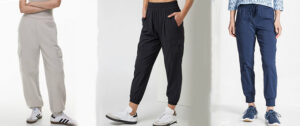
What Is The Difference Between Tight And Baggy Joggers?
Jogger fit categories have evolved significantly in modern fashion and activewear markets.
Tight joggers usually feature a slim tapered silhouette with closer body fit, while baggy joggers provide a looser structure with more room through the leg and hip area.
Both styles remain popular for different customer groups.
Tight Joggers Focus More On Structure
Slim joggers usually provide:
- Closer leg fit
- Cleaner silhouette
- Reduced fabric movement
- Sportier appearance
This fit is common in activewear and gym apparel.
Baggy Joggers Prioritize Relaxed Comfort
Baggy joggers often include:
- Wider leg opening
- Relaxed thigh area
- Looser overall structure
This fit is popular in streetwear and casual fashion.
Tapered Fits Balance Both Styles
Modern joggers often combine:
- Relaxed upper fit
- Narrow ankle opening
This creates a balanced silhouette suitable for both casual wear and athletic styling.
Fabric Choice Affects Fit Appearance
The same pattern may fit differently depending on fabric type.
For example:
| Fabric Type | Visual Fit Effect |
|---|---|
| French terry | Softer drape |
| Fleece | Bulkier structure |
| Nylon Blend | Cleaner silhouette |
| Stretch Knit | More body contour |
At Fusionknits, fabric selection and pattern development are adjusted together during jogger manufacturing.
Are Tight Joggers Better For Activewear?
Slim joggers are highly common in modern sportswear collections.

Tight joggers are often better for activewear because they reduce excess fabric movement, improve mobility, and create a cleaner athletic silhouette.
Many performance-focused brands prefer slimmer fits for gym apparel.
Slim Fits Improve Movement Efficiency
Excess fabric may interfere during:
- Running
- Weight training
- Stretching
- Cycling
Slim joggers reduce unnecessary fabric movement.
Tapered Ankles Improve Athletic Function
Narrow ankle openings help prevent:
- Fabric dragging
- Interference during workouts
This is especially useful for running and gym training.
Stretch Fabrics Support Slim Fits
Tight joggers usually require fabrics with:
- Elastane
- Spandex
- four-way stretch
Stretch construction improves comfort despite the closer fit.
Athletic Consumers Often Prefer Cleaner Fits
Modern activewear consumers frequently look for:
- Streamlined silhouettes
- Technical appearance
- Lightweight structure
Slim joggers align well with these preferences.
Why Are Baggy Joggers Popular Again?
Relaxed silhouettes have become increasingly popular in modern fashion.
Baggy joggers are popular because they provide relaxed comfort, oversized silhouettes, and strong streetwear aesthetics.
Fashion trends strongly influence jogger fit preferences.
Streetwear Trends Support Loose Fits
Modern streetwear often emphasizes:
- Oversized silhouettes
- Relaxed proportions
- Layer-friendly styling
Baggy joggers fit naturally into this trend.
Relaxed Fits Improve Casual Comfort
Loose joggers often feel more comfortable for:
- Daily wear
- Travel
- Lounging
- Casual styling
Extra fabric space improves freedom of movement.
Heavyweight Fabrics Work Well With Baggy Fits
Baggy joggers commonly use:
- Heavy fleece
- Thick French terry
- Washed cotton fabrics
These materials create stronger drape and structure.
Vintage Fashion Influences Modern Joggers
Many modern joggers are inspired by:
- 1990s sportswear
- Vintage gym apparel
- Retro streetwear
This continues driving oversized fit popularity.
What Fit Is Most Popular For Modern Joggers?
Most modern joggers now use balanced silhouettes.
The most popular jogger fit today is usually a relaxed tapered fit that combines comfort with a clean silhouette.
Consumers increasingly want versatile products.
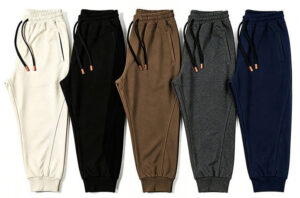
Relaxed Tapered Fits Offer More Versatility
This fit combines:
- Comfortable thigh space
- Structured ankle shape
- Modern appearance
It works well across multiple apparel categories.
Athleisure Influences Fit Development
Athleisure trends encourage joggers that work for:
- Casual wear
- Fitness
- Travel
- Daily activities
Balanced fits support multi-purpose use.
Slim Fits Remain Strong In Sportswear
Technical activewear still favors:
- Slim joggers
- Stretch performance fabrics
- Lightweight silhouettes
This category remains highly popular in gym apparel.
Oversized Fits Continue Growing In Fashion
Streetwear brands continue developing:
- Wide-leg joggers
- Relaxed cuffs
- Dropped crotch silhouettes
Fit trends vary by market segment.
At Fusionknits, jogger fit development is adjusted based on target consumers and product positioning.
How Does Fabric Affect Jogger Fit?
Fabric structure changes how joggers look and feel.
Fabric weight, stretch, drape, and thickness all influence whether joggers appear tighter, looser, softer, or more structured.
Fabric selection strongly affects final silhouette.
Stretch Fabrics Create Slimmer Appearance
Stretch fabrics often create:
- Closer body contour
- Better movement support
- Cleaner taper effect
Common stretch materials include:
- Spandex
- Elastane
- Nylon blends
Heavyweight Fabrics Create More Volume
Heavy fleece fabrics usually produce:
- Fuller silhouettes
- Stronger drape
- Bulkier appearance
These fabrics are common in oversized joggers.
Lightweight Fabrics Improve Mobility
Lightweight fabrics help create:
- Better airflow
- Easier movement
- Sportier appearance
This is important for activewear joggers.
Fabric Recovery Maintains Shape
High-quality fabrics maintain:
- Knee structure
- Waist elasticity
- Overall fit consistency
Poor recovery often causes shape distortion after repeated wear.
Should Joggers Be Tight Around The Ankles?
Ankle construction is one of the defining features of joggers.

Joggers are usually slightly tighter around the ankles to create shape, improve styling balance, and prevent excess fabric movement.
Ankle design strongly affects overall silhouette.
Ribbed Cuffs Create Structure
Most joggers use:
- Elastic cuffs
- Rib ankle construction
This helps maintain:
- Tapered appearance
- Better fit stability
Open Hem Joggers Create Different Styling
Some modern joggers use open hems instead of cuffs.
Open hems create:
- Wider leg silhouette
- Relaxed appearance
- Vintage sportswear styling
This style is growing in streetwear collections.
Tight Ankles Improve Athletic Functionality
Narrow ankle cuffs help reduce:
- Fabric interference
- Dragging during movement
This is common in gym joggers.
Oversized Joggers Still Use Structured Ankles
Even loose joggers often maintain:
- Tapered ankle shape
- Elastic cuff balance
This prevents the garment from looking oversized without structure.
How Do Different Markets Prefer Different Jogger Fits?
Jogger fit preferences vary globally.
Different fashion markets prefer different jogger silhouettes depending on culture, fashion trends, and consumer behavior.
Regional trends influence product development.
North America Prefers Versatile Fits
Many North American consumers prefer:
- Relaxed tapered joggers
- Athleisure-inspired fits
- Comfort-focused silhouettes
Balanced fits dominate this market.
Streetwear Markets Favor Oversized Fits
Streetwear-focused consumers often prefer:
- Wide-leg joggers
- Heavyweight fabrics
- Relaxed silhouettes
This trend remains strong among younger buyers.
Sportswear Markets Prefer Slim Fits
Athletic consumers usually prioritize:
- Movement efficiency
- Lightweight construction
- Tapered performance silhouettes
Technical fabrics are common in this segment.
European Markets Often Prefer Cleaner Silhouettes
Many European fashion brands favor:
- Slim tapered joggers
- Minimalist styling
- Structured fits
Fit preference depends heavily on brand positioning.
What Common Fit Mistakes Should Brands Avoid?
Poor fit development can reduce product appeal quickly.
Common jogger fit mistakes include overly tight calves, excessive bagginess, poor waistband balance, and weak pattern grading across sizes.
Fit consistency is critical in bulk apparel production.
Overly Tight Joggers Reduce Comfort
Joggers that are too tight may create:
- Restricted movement
- Fabric stress
- Poor comfort
This is especially problematic with non-stretch fabrics.
Excessively Baggy Fits Lose Structure
Overly loose joggers may appear:
- Unbalanced
- Oversized without shape
- Difficult to style
Pattern balance is important.
Poor Grading Creates Size Problems
Size grading should maintain proportional balance across:
- Waist width
- Thigh opening
- Leg taper
- Rise measurement
Improper grading often creates inconsistent fit between sizes.
Fabric Shrinkage Must Be Controlled
Shrinkage affects final garment fit significantly.
Professional manufacturers test:
- Wash stability
- Stretch recovery
- Dimensional consistency
At Fusionknits, fit testing and fabric evaluation are integrated into jogger production quality control procedures.
How Should Brands Choose Jogger Fits?
Fit development should match product positioning.
Brands should choose jogger fits based on target customers, product category, fashion trends, and intended use.
There is no single fit solution for all markets.
Activewear Brands Usually Prefer Slimmer Fits
Performance-focused products often require:
- Tapered legs
- Stretch fabrics
- Lightweight structure
Slim silhouettes support athletic movement.
Lifestyle Brands Focus More On Comfort
Lifestyle joggers often prioritize:
- Relaxed fit
- Soft fabrics
- Casual versatility
Comfort becomes the main selling point.
Streetwear Brands Prefer Stronger Silhouettes
Streetwear collections often use:
- Oversized cuts
- Heavyweight fabrics
- Washed finishes
These features create stronger fashion identity.
Hybrid Fits Continue Growing
Many modern brands now combine:
- Relaxed upper fit
- Structured taper
- Stretch fabrics
Hybrid fits provide broader market appeal.
Conclusion
Joggers should usually balance comfort and structure rather than being extremely tight or overly baggy. Slim joggers work better for athletic performance and cleaner silhouettes, while baggy joggers provide relaxed comfort and stronger streetwear appeal.
At Fusionknits, jogger manufacturing focuses on fabric selection, fit engineering, and production consistency. Choosing the right fit helps brands improve comfort, styling versatility, and long-term product appeal across different activewear and fashion markets.