Many sweatpants use comfortable fabrics and modern fits, but color selection often determines whether the final product looks fashionable, premium, or outdated. The wrong color can reduce styling versatility and weaken market appeal.
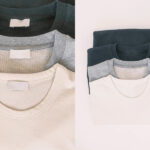
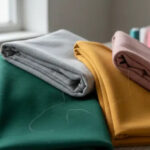
The best sweatpants colors are usually neutral tones like black, gray, navy, and beige because they are versatile, easy to style, and suitable for different fashion markets. Trend colors and seasonal shades can also perform well depending on brand positioning and target consumers.
At Fusionknits, color development is an important part of sweatpants manufacturing. In modern apparel markets, color selection affects consumer preference, retail performance, and long-term product demand.
Why Does Sweatpants Color Matter So Much?
Color strongly influences how consumers perceive apparel products.
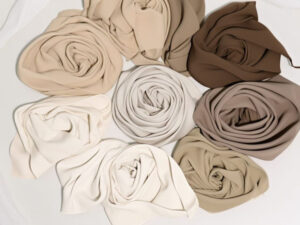
Sweatpants color affects styling flexibility, visual balance, fashion appeal, and market demand. Neutral colors usually provide better versatility, while trend colors help brands create seasonal collections and stronger visual identity.
In apparel manufacturing, color planning is often connected directly to product positioning.
Color Influences Consumer Perception
Different colors create different impressions.
For example:
| Color | Common Consumer Perception |
|---|---|
| Black | Premium and versatile |
| Gray | Casual and balanced |
| Navy | Clean and classic |
| Beige | Minimalist and modern |
| Green | Relaxed and trendy |
Color psychology plays an important role in apparel design and merchandising.
Versatile Colors Usually Sell Better
Neutral sweatpants colors are easier to style with other garments.
This improves:
- Daily wear flexibility
- Consumer usability
- Repeat wear frequency
For this reason, black and gray sweatpants remain among the most popular products in global apparel markets.
Fashion Trends Continuously Change
Trend colors often shift every season.
Popular fashion colors may include:
- Earth tones
- Washed vintage shades
- Muted pastel colors
- Monochrome neutrals
At Fusionknits, many apparel brands request both classic colors and trend-driven seasonal palettes during OEM production.
Are Black Sweatpants The Best Choice?
Black remains one of the strongest color options in modern sweatpants collections.

Black sweatpants are often considered the best choice because they are versatile, slimming, easy to style, and suitable for casual wear, streetwear, and athletic apparel.
Black continues to dominate both men’s and women’s loungewear markets.
Black Creates A Cleaner Appearance
Black fabric visually creates:
- Sharper silhouettes
- Cleaner styling
- More premium appearance
This makes black suitable for both minimal and fashion-focused collections.
Black Works Across Multiple Fashion Categories
Black sweatpants fit well into:
- athleisure
- Streetwear
- Sportswear
- Casual basics
- Travel apparel
Few colors provide the same level of styling flexibility.
Black Hides Stains And Wear Better
From a practical manufacturing perspective, black fabrics often perform well because they:
- Hide surface dirt
- Reduce visible staining
- Maintain appearance longer
This increases long-term wear usability.
Black Requires Stable Dyeing Quality
Although black is popular, dyeing consistency is important.
Factories must control:
- color fastness
- Washing stability
- Surface fading
- Shade consistency
At Fusionknits, dark color production usually includes strict color matching and washing tests during quality control.
Why Are Gray Sweatpants So Popular?
Gray sweatpants remain a classic category in global apparel markets.
Gray sweatpants are popular because they create a relaxed, casual appearance while remaining versatile, comfortable-looking, and easy to combine with different outfits.
Gray continues to perform strongly in both fashion and loungewear categories.
Heather Gray Creates A Soft Visual Effect
heather gray fabrics usually contain blended fibers.
This construction creates:
- Textured appearance
- Softer color depth
- Casual styling effect
Heather fabrics are especially common in fleece and French terry sweatpants.
Gray Works Well In Athleisure Collections
Many athleisure brands use gray because it combines:
- Sporty appearance
- Casual versatility
- Minimalist styling
Gray sweatpants pair easily with:
- Hoodies
- Sneakers
- Oversized T-shirts
- Lightweight jackets
Different Gray Shades Create Different Styles
Not all gray sweatpants look the same.
Common gray tones include:
| Gray Shade | Typical Style |
|---|---|
| Light Gray | Relaxed and casual |
| Medium Gray | Balanced everyday wear |
| Charcoal Gray | More premium appearance |
Color depth changes the overall garment impression significantly.
Gray Fabric May Show Moisture More Easily
One limitation of gray sportswear is visible moisture.
During activewear use, sweat marks may appear more clearly on lighter gray fabrics.
For this reason, some sportswear brands prefer darker shades for performance collections.
Are Neutral Colors Better Than Bright Colors?
Neutral colors dominate most sweatpants markets, but bright colors still have fashion value.
Neutral sweatpants colors are generally more versatile and commercially stable, while bright colors are often used for trend collections, seasonal fashion, and youth-oriented streetwear products.
The right color strategy depends on the target customer and brand identity.
Why Neutral Colors Perform Well
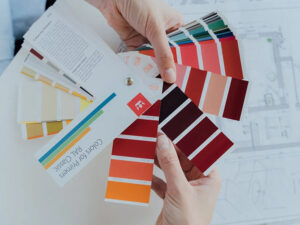
Neutral colors usually include:
- Black
- Gray
- Beige
- Navy
- Cream
These colors work well because they:
- Match easily with other garments
- Remain fashionable longer
- Appeal to wider audiences
This improves retail flexibility.
Bright Colors Create Stronger Visual Identity
Bright sweatpants colors help brands create:
- Statement products
- Seasonal fashion drops
- Youth-focused collections
Popular trend colors may include:
- Red
- Forest green
- Royal blue
- Orange
- Lavender
These colors are common in fashion-forward streetwear collections.
Earth Tones Are Growing In Popularity
Modern fashion trends increasingly favor muted natural tones.
Popular earth-tone sweatpants include:
- Olive green
- Sand beige
- Brown
- Clay
- Taupe
These colors work well in minimalist fashion collections.
Color Trends Often Depend On Market Region
Different markets prefer different color palettes.
For example:
| Market | Popular Sweatpants Colors |
|---|---|
| North America | Black, gray, navy |
| Western Europe | Earth tones, muted neutrals |
| Streetwear Market | Bold and washed colors |
| Athleisure Market | Monochrome basics |
Regional preferences influence color development during apparel production.
What Sweatpants Colors Look Most Premium?
Certain colors naturally create a more premium appearance.
Dark neutrals, muted earth tones, and monochrome shades often make sweatpants look more premium because they create cleaner silhouettes and more refined styling.
Premium appearance depends on both color and fabric quality.
Dark Tones Create Better Structure
Dark colors usually create:
- Stronger garment definition
- Cleaner visual lines
- More polished appearance
Popular premium colors include:
- Black
- Charcoal
- Deep navy
- Espresso brown
These colors remain highly popular in modern luxury loungewear.
Washed Colors Create Fashion Appeal
Garment washing techniques create unique color effects.
Popular washed finishes include:
- Vintage black
- Washed olive
- Faded gray
- Acid-washed charcoal
These finishes are common in streetwear manufacturing.
Monochrome Styling Remains Strong
Many modern apparel brands prefer monochrome collections.
Monochrome styling helps create:
- Minimalist aesthetics
- Cleaner branding
- Easy outfit coordination
Neutral sweatpants fit especially well into this trend.
Fabric Quality Still Matters More Than Color Alone
Even strong colors cannot compensate for low-quality fabrics.
Premium sweatpants usually combine:
- High-quality cotton blends
- Stable dyeing
- Smooth surface texture
- Structured fit
At Fusionknits, fabric quality and dyeing consistency are both important parts of premium apparel manufacturing.
How Does Fabric Affect Sweatpants Color Appearance?
Fabric structure changes how colors look after production.

Fabric composition, texture, and surface finishing all affect how sweatpants colors appear under lighting, washing, and daily wear conditions.
Color development in apparel manufacturing goes beyond simple dye selection.
Cotton And Polyester Absorb Dye Differently
Different fibers react differently during dyeing.
For example:
| Fabric Type | Color Appearance |
|---|---|
| Cotton | Softer matte finish |
| Polyester | More vibrant appearance |
| Cotton-Poly Blend | Balanced color depth |
This affects the final visual result.
Brushed Fabrics Change Color Depth
Brushed fleece surfaces often create:
- Softer color appearance
- Reduced reflectivity
- Warmer visual texture
This is common in winter sweatpants collections.
Garment Washing Creates Unique Color Effects
Many fashion sweatpants use garment washing treatments.
Popular treatments include:
- enzyme washing
- Acid washing
- pigment washing
These processes create more vintage and textured color effects.
Color Fastness Is Important
Professional apparel factories test color durability carefully.
Testing usually includes:
- Washing resistance
- Friction resistance
- Light exposure testing
- Sweat testing
At Fusionknits, color fastness testing is commonly included during bulk production quality control.
How Should Brands Choose Sweatpants Colors?
Color selection should match brand positioning and target markets.
Brands should choose sweatpants colors based on customer preference, seasonal trends, styling versatility, and long-term market demand.
Strong color planning improves collection consistency and retail performance.
Core Colors Build Stable Sales
Most brands keep permanent core colors such as:
- Black
- Heather gray
- Navy
- Beige
These colors usually generate stable long-term demand.
Seasonal Colors Increase Collection Variety
Seasonal colors help brands refresh product lines.
Examples include:
- Autumn earth tones
- Spring pastels
- Winter dark neutrals
- Summer washed shades
Seasonal updates help maintain consumer interest.
Target Age Groups Affect Color Preferences
Different age groups often prefer different colors.
| Consumer Group | Common Preferences |
|---|---|
| Younger Consumers | Trend colors and bold shades |
| Adult Consumers | Neutral and versatile colors |
| Luxury Market | Minimal monochrome palettes |
Understanding customer behavior helps optimize product development.
Color Coordination Improves Collection Design
Sweatpants colors should coordinate with:
- Hoodies
- T-shirts
- Jackets
- Sneakers
Collection-level color planning creates stronger retail presentation.
Conclusion
The best sweatpants colors are usually versatile neutrals like black, gray, navy, and beige because they are easy to style, visually balanced, and suitable for different fashion markets. Trend colors and washed finishes can also create strong seasonal appeal depending on brand positioning and target consumers.
At Fusionknits, color development is an important part of sweatpants manufacturing. Combining the right fabric, dyeing process, and color strategy helps brands create sweatpants collections with stronger fashion appeal, better versatility, and long-term market value.