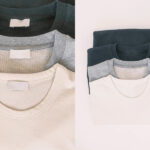
Many people know classic pique polo shirts, but fewer understand jersey polo shirts and why they have become increasingly popular in modern casualwear. Fabric choice changes how a polo feels, drapes, stretches, and performs during daily wear.
Jersey polos are polo shirts made from jersey fabric instead of traditional pique knit fabric. Jersey fabric creates a smoother, softer, lighter, and more flexible feel, making jersey polos popular for casualwear, minimalist fashion, and modern comfort-focused apparel.
At Fusionknits, polo shirt manufacturing focuses heavily on fabric selection, knit construction, fit engineering, and long-term wearability. Jersey polos require different development strategies compared to traditional pique polos because the fabric behaves differently during cutting, sewing, and finishing.
What Is Jersey Fabric?
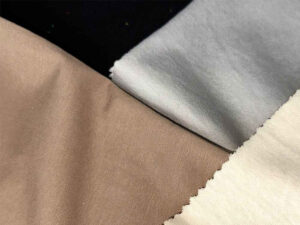
Jersey fabric is one of the most common knit fabrics in apparel manufacturing.
Jersey fabric is a soft knitted fabric with a smooth surface and flexible stretch characteristics. It is widely used in T-shirts, activewear, and modern polo shirts because of its comfort and lightweight feel.
Jersey fabric behaves differently from woven fabrics.
Jersey Fabric Uses Knit Construction
Unlike woven fabrics, jersey fabric is knitted using looping yarn structures. This creates:
- Natural stretch
- Better flexibility
- Softer drape
The knit structure improves comfort significantly.
Single Jersey Is Most Common
Most jersey polos use single jersey fabric because it provides:
- Lightweight comfort
- Smooth texture
- Breathability
Single jersey remains highly popular in casual apparel.
Jersey Fabric Feels Softer Than Pique
Compared to traditional pique polos, jersey fabric usually feels:
- Smoother
- Softer
- More relaxed
This changes the overall appearance of the garment.
Jersey Fabric Is Highly Versatile
Jersey is used across:
- T-shirts
- Tank tops
- Activewear
- Loungewear
- Casual polos
Its versatility makes it one of the biggest fabric categories globally.
At Fusionknits, jersey fabric development focuses heavily on softness, recovery, and surface stability.
What Makes Jersey Polos Different From Pique Polos?
The biggest difference is fabric texture and structure.

Jersey polos use smooth knit fabrics with softer drape, while pique polos use textured knit fabrics with stronger structure and more traditional appearance.
The two polo styles create different fashion aesthetics.
Jersey Polos Feel Softer
Jersey fabrics create:
- Smooth hand feel
- Lightweight comfort
- Relaxed flexibility
This makes them feel closer to premium T-shirts.
Pique Polos Feel More Structured
Pique fabrics usually provide:
- Textured surface
- Better collar support
- More formal appearance
Traditional business casual polos often use pique.
Jersey Polos Drape More Naturally
Jersey fabric creates:
- Softer body contouring
- Relaxed silhouettes
- More fluid movement
This supports minimalist and modern fashion trends.
Pique Polos Usually Look More Classic
Pique construction has long been associated with:
- Tennis polos
- Golf apparel
- Traditional menswear
Jersey polos feel more modern and casual.
Why Are Jersey Polos Becoming More Popular?
Consumer preferences are changing rapidly.
Jersey polos are becoming more popular because modern consumers increasingly prioritize softness, comfort, lightweight feel, and relaxed styling over rigid traditional structures.
Athleisure strongly influenced polo shirt evolution.
Comfort Is Becoming More Important
Consumers increasingly want clothing that feels:
- Soft
- Flexible
- Easy to wear all day
Jersey fabric supports these expectations well.
Minimalist Fashion Increased Demand
Modern fashion trends favor:
- Clean silhouettes
- Smooth textures
- Relaxed garments
Jersey polos naturally fit this aesthetic.
Jersey Polos Layer Easily
Soft fabrics work well under:
- Jackets
- Overshirts
- Hoodies
- Blazers
This improves styling versatility.
Athleisure Changed Casualwear Expectations
Modern casualwear increasingly combines:
- Sportswear comfort
- Lifestyle aesthetics
- Everyday versatility
Jersey polos align closely with these market trends.
At Fusionknits, demand for soft-touch jersey polo shirts has increased significantly in both casualwear and premium basics collections.
What Fabrics Are Used In Jersey Polos?
Jersey polos can use multiple fiber compositions.
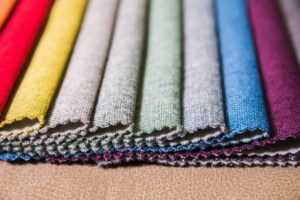
Jersey polos are commonly made from cotton jersey, cotton-spandex blends, mercerized cotton, modal jersey blends, polyester blends, and technical performance fabrics.
Fabric composition strongly affects comfort and appearance.
Cotton Jersey Is Most Common
Cotton jersey provides:
- Softness
- Breathability
- Natural comfort
This remains the most popular jersey polo fabric.
Cotton-Spandex Jersey Improves Stretch
Stretch blends improve:
- Shape retention
- Mobility
- Slim-fit support
Most modern fitted polos use elastane blends.
Mercerized Cotton Jersey Feels More Premium
Mercerization improves:
- Smoothness
- Surface shine
- Color retention
Luxury jersey polos often use mercerized cotton.
Polyester Jersey Supports Performance Wear
Technical polyester jerseys improve:
- Moisture management
- Quick drying
- Lightweight flexibility
This works well for golf and sports polos.
Are Jersey Polos Better For Casual Wear?
Jersey polos for casual wear are especially strong in relaxed fashion categories.
Jersey polos are often better for casual wear because they feel softer, lighter, and more comfortable than traditional pique polos.
Modern casualwear prioritizes comfort heavily.
Jersey Polos Feel More Relaxed
The fabric creates:
- Softer drape
- Flexible movement
- Casual appearance
This makes them ideal for daily wear.
T-Shirt Comfort In Polo Form
Many consumers like jersey polos because they combine:
- Polo shirt styling
- T-shirt comfort
This improves wearability significantly.
Casual Styling Becomes Easier
Jersey polos pair naturally with:
- Joggers
- Shorts
- Denim
- Casual trousers
Their versatility increases commercial appeal.
Lightweight Fabrics Improve Summer Comfort
Jersey polos usually provide:
- Better airflow
- Less stiffness
- Cooler feel
This improves warm-weather wearability.
Are Jersey Polos Good For Business Casual?
Jersey polos can work in modern office environments.

Premium jersey polos are suitable for many business casual settings because they provide cleaner silhouettes, elevated softness, and modern minimal appearance.
However, fabric quality matters heavily.
Premium Jersey Looks More Refined
Higher-quality jersey polos maintain:
- Better collar structure
- Cleaner drape
- Smoother surface appearance
This improves professional styling.
Slim Silhouettes Feel More Modern
Modern business casual fashion increasingly favors:
- Tailored fits
- Minimal texture
- Cleaner garments
Jersey polos align closely with these trends.
Low-Quality Jersey May Look Too Casual
Thin or unstable jersey fabrics may create:
- Collar collapse
- Loose drape
- Reduced professionalism
Fabric quality becomes critical.
Styling Strongly Affects Appearance
Jersey polos work best in business casual outfits when paired with:
- Tailored trousers
- Minimal sneakers
- Structured outerwear
Styling determines versatility.
At Fusionknits, premium jersey polo shirts development focuses heavily on collar stability and silhouette balance.
How Are Jersey Polos Manufactured?
Jersey fabric requires careful production control.
Jersey polo manufacturing focuses on knit stability, collar construction, stretch recovery, fabric shrinkage control, and balanced garment fit.
The soft fabric behaves differently during production.
Fabric Stability Is Important
Jersey fabrics may experience:
- Curling edges
- Stretch distortion
- Shrinkage variation
Pre-treatment improves stability.
Collar Construction Requires Reinforcement
Soft fabrics sometimes struggle to maintain:
- Collar shape
- Neckline structure
- Placket balance
Reinforcement techniques improve durability.
Shrinkage Testing Is Necessary
Jersey fabrics must be tested for:
- Wash shrinkage
- Twisting
- Recovery after laundering
This protects long-term garment quality.
Fit Engineering Matters
Jersey polos usually require:
- Better pattern balancing
- Controlled stretch behavior
- Precise grading
Soft fabrics reveal fit issues quickly.
At Fusionknits, jersey polo production includes extensive wash testing and fit refinement before bulk manufacturing begins.
What GSM Is Best For Jersey Polos?
Fabric weight strongly affects jersey polo performance.
The best GSM for jersey polos usually ranges between 180 and 240 GSM depending on whether the garment is designed for lightweight comfort, premium structure, or performance wear.
Different markets prefer different fabric weights.
Lightweight Jersey Feels Cooler
180–200 GSM fabrics provide:
- Breathability
- Summer comfort
- Lightweight drape
These are common in casual polos.
Midweight Jersey Balances Structure
210–230 GSM fabrics offer:
- Better silhouette control
- Improved durability
- More premium appearance
This range is highly popular.
Heavyweight Jersey Feels More Luxurious
240 GSM and above provide:
- Structured drape
- Elevated hand feel
- Better opacity
Luxury basics increasingly use heavier jersey fabrics.
Fabric Composition Changes Feel
Cotton, modal, or polyester blends may feel very different even at the same GSM.
Fabric engineering matters heavily.
Are Jersey Polos More Comfortable Than Pique Polos?
Comfort preferences vary by consumer.
Many people find jersey polos more comfortable because the fabric feels softer, smoother, and more flexible than traditional pique polos.
However, comfort also depends on fabric quality.
Jersey Feels Softer Against Skin
The smooth knit surface improves:
- Tactile comfort
- Flexibility
- Lightweight wearability
This improves long-term comfort.
Pique Fabrics Feel More Textured
Some consumers prefer pique because it offers:
- Better airflow
- More structure
- Traditional polo appearance
Preference depends on styling goals.
Stretch Blends Improve Jersey Comfort
Modern jersey polos often include:
- Elastane
- Modal
- Soft-touch finishes
These enhance comfort significantly.
Fabric Finishing Changes Performance
Premium finishing techniques improve:
- Softness
- Smoothness
- Recovery after washing
Fabric finishing strongly affects user experience.
What Trends Are Influencing Jersey Polo Shirts?
Modern apparel trends continue reshaping polo development.
Current jersey polo trends focus on minimalist styling, soft-touch fabrics, elevated basics, stretch comfort, and hybrid casualwear functionality.
Comfortwear continues dominating fashion markets.
Elevated Basics Continue Growing
Consumers increasingly prefer:
- Minimal logos
- Clean silhouettes
- High-quality fabrics
Jersey polos fit this trend perfectly.
Athleisure Influences Polo Construction
Modern polos increasingly combine:
- Sportswear comfort
- Lifestyle styling
- Stretch performance
Hybrid products dominate casualwear.
Soft-Touch Fabrics Are In High Demand
Consumers now prioritize:
- Smooth texture
- Lightweight comfort
- Premium softness
Fabric feel strongly affects purchasing decisions.
Sustainable Fabrics Continue Expanding
Many brands now request:
- Organic cotton jersey
- Recycled polyester
- Eco-friendly dyeing
Sustainability influences modern manufacturing strategies.
Conclusion
Jersey polos are polo shirts made from smooth jersey knit fabric instead of traditional textured pique fabric. They provide softer texture, lighter feel, flexible comfort, and more relaxed drape, making them highly popular in modern casualwear and minimalist fashion markets.
At Fusionknits, jersey polo manufacturing focuses on fabric softness, knit stability, fit engineering, and long-term wearability. Careful fabric development and production control help create jersey polos with stronger comfort, better silhouette balance, improved durability, and premium everyday versatility.