Many buyers and fashion professionals often wonder whether jackets are classified strictly as outerwear. Misunderstanding this can cause confusion in product lines, retail organization, and sourcing decisions.
A jacket is generally considered outerwear because it is designed to be worn over other clothing, providing protection against weather, warmth, and style layering. However, the classification can vary depending on material, purpose, and fashion trends.
At Fusionknits, understanding the definition of outerwear is essential for manufacturers, retailers, and B2B buyers to categorize products correctly and meet market expectations.
What defines outerwear in the apparel industry?
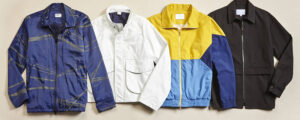
Outerwear refers to garments designed to be worn over other clothing, primarily for protection, warmth, or style. This includes jackets, coats, parkas, and vests.
Outerwear is defined by its functional purpose and layering design. Key characteristics include weather protection, durable construction, and visibility in the overall outfit structure.
At Fusionknits, we see that proper classification affects product development, labeling, and buyer communication for wholesale orders.
Key features of outerwear
- Worn over other garments
- Provides warmth or weather protection
- Often heavier or reinforced fabric
- Includes functional elements like zippers, hoods, or adjustable cuffs
Differentiation from regular tops
| Feature | Outerwear | Regular Top |
|---|---|---|
| Worn over layers | Yes | No |
| Insulation | Medium to high | Low |
| Weather resistance | Usually | Rarely |
| Weight | Medium to heavy | Light |
This framework helps buyers, brands, and factories plan product lines accurately.
Are all jackets outerwear?
Not every jacket is considered traditional outerwear. Some light fashion jackets serve as layering pieces rather than functional protection.

Most jackets fall under the outerwear category, but exceptions exist for lightweight blazers, bomber jackets, or unlined casual pieces that do not provide significant warmth or weather resistance.
In production, we categorize jackets according to material, lining, and functional properties.
Classification based on functionality
- Functional outerwear jackets: Designed for cold, rain, or wind (e.g., insulated parkas, waterproof jackets).
- Lightweight fashion jackets: Primarily style-focused, minimal insulation (e.g., denim or windbreaker jackets).
- Hybrid jackets: Offer moderate warmth and style, suitable for transitional seasons.
Material influence
| Material | Outerwear Potential |
|---|---|
| Wool blends | High (warmth) |
| Cotton canvas | Medium (weather resistance) |
| Polyester / Nylon | High (waterproof/insulated) |
| Denim / Light cotton | Low (fashion layering) |
Material selection plays a key role in how jackets are marketed and sourced.
How do jackets differ from coats and other outerwear?
Jackets are generally shorter than coats and designed for more versatile daily wear. They often allow freer movement and easier layering.
Coats typically extend below the waist or to the knees, providing additional warmth and coverage. Jackets prioritize mobility, lightweight wear, and transitional-season usage.
In our factory, jackets require different pattern grading, fabric weight, and production considerations compared to coats.
Comparative features
| Feature | Jacket | Coat |
|---|---|---|
| Length | Waist to hip | Thigh to knee |
| Weight | Light to medium | Medium to heavy |
| Insulation | Moderate | High |
| Mobility | High | Moderate |
Understanding these distinctions helps manufacturers plan production lines efficiently.
Can outerwear include untraditional designs?
Modern fashion trends sometimes blur traditional outerwear definitions. Some garments resemble jackets in silhouette but include features of coats, vests, or even sweatshirts.
Outerwear classification depends on function rather than shape alone. Insulation, layering potential, and weather protection define whether a garment is considered outerwear.
At Fusionknits, we often consult with buyers to determine how hybrid garments should be categorized for wholesale catalogs.
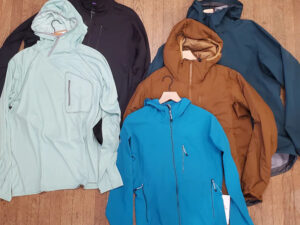
Examples of modern outerwear
- Fleece-lined hoodies (for cold-weather wear)
- Technical softshell jackets (water and wind-resistant)
- Lightweight bomber jackets (fashion-forward layering)
- Trench coats with removable lining (versatile outerwear)
Production considerations for hybrid outerwear
- Fabric choice affects warmth and water resistance
- Lining or insulation design influences classification
- Fasteners and closures must support outerwear functionality
- Layering allowances impact sizing and pattern design
How seasonal use affects outerwear classification
Jackets designed for summer use may not provide insulation but still fall under outerwear because they are meant to layer over other garments.
Seasonal outerwear classification considers climate, intended use, and material performance. Lightweight jackets, windbreakers, and raincoats may all be classified as outerwear even if they do not provide warmth.
This is particularly relevant for wholesale buyers sourcing for markets with varying climates.
Seasonal breakdown
| Season | Outerwear Examples | Key Features |
|---|---|---|
| Winter | Insulated parkas, down jackets | High insulation, water resistance |
| Spring | Light trench, softshell jacket | Moderate coverage, windproof |
| Summer | Windbreaker, linen blazer | Lightweight, protective from sun/wind |
| Fall | Bomber, fleece jacket | Transitional warmth, layering options |
Correct seasonal classification ensures retailers offer appropriate products to their target market.
What fabrics are commonly used for jackets as outerwear?
Jacket performance largely depends on fabric selection. Insulating, water-resistant, and durable fabrics are essential for outerwear functionality.

Common outerwear fabrics include wool, polyester, nylon, cotton blends, and technical synthetic fabrics. Each material is chosen based on climate, insulation requirements, and garment durability.
In our production lines, fabric weight, texture, and finish are carefully selected to meet buyer requirements.
Fabric properties for outerwear
| Fabric | Key Benefit | Typical Use |
|---|---|---|
| Wool / wool blends | Natural warmth, structure | Winter jackets, blazers |
| Polyester | Lightweight, water-resistant | Softshell, performance jackets |
| Nylon | Durable, windproof | Rain jackets, shells |
| Cotton canvas | Breathable, sturdy | Casual jackets, workwear |
| Technical fabrics | Moisture-wicking, waterproof | Hiking, sports jackets |
Fabric choice influences cost, longevity, and buyer satisfaction.
How jacket design impacts outerwear classification
Functional details like lining, closure systems, and insulation determine whether a jacket is outerwear.
A lightweight unlined blazer may not be considered outerwear, while a windproof, insulated jacket clearly is. The design intent guides classification.
Pattern development and production planning must reflect the intended functionality.
Key design features
- Insulation: Fleece, down, synthetic fill
- Closures: Zippers, buttons, snaps for weather protection
- Hoods & collars: Adjustable hoods, high collars for wind/rain
- Cuffs & hems: Elastic or adjustable to retain warmth
- Pockets & utility: Multiple pockets for functional outerwear
Design features also influence cutting, sewing, and material requirements in large-scale production.
Is outerwear classification important for wholesale sourcing?
Yes. Correct classification ensures buyers select the right garments for their target markets. Misclassifying jackets can affect pricing, marketing, and sales performance.
Outerwear classification helps B2B buyers plan inventory, evaluate performance features, and source appropriate fabrics. Manufacturers like Fusionknits rely on these classifications to provide technical guidance to clients.
Understanding classification allows buyers to optimize shipping, storage, and seasonal stock rotation.
Buyer considerations
- Intended market climate
- Performance requirements (warmth, water resistance)
- Style vs function balance
- Layering and fit considerations
Conclusion
Jackets are generally considered outerwear because they are designed to be worn over other garments and provide warmth, protection, and functional layering. However, not all jackets fit the traditional definition—lightweight or fashion-only pieces may be considered apparel or layering garments rather than functional outerwear. Understanding the functional purpose, material, and design features of a jacket is key to correctly classifying it.
At Fusionknits,the classification impacts fabric selection, pattern design, insulation requirements, and production processes. At Fusionknits, we emphasize that the intended use, seasonality, and performance features should guide whether a jacket is produced as outerwear. Technical fabrics, proper lining, and functional details ensure the garment meets outerwear standards, even in hybrid or transitional-season designs.