Shorts are one of the most versatile garments in fashion and activewear. While many buyers focus on style or brand, the fabric composition ultimately determines comfort, durability, stretch, and performance.
Shorts can be made from a wide range of materials, including cotton, polyester, nylon, spandex/elastane blends, and technical fabrics. The best choice depends on the garment's intended purpose, whether casual wear, activewear, or performance clothing.
At Fusionknits, we manufacture shorts for global B2B buyers, and fabric selection is one of the most critical decisions during product development.

What are the most common fabrics for shorts?
Shorts are manufactured using both natural and synthetic fibers. Each fabric type affects feel, durability, movement, and appearance.
Cotton, polyester, nylon, and spandex are the most common fibers. Blended fabrics combine the advantages of multiple fibers to achieve the right balance of comfort, performance, and durability.
Understanding fabric properties helps brands and buyers choose the right material for their target market.
Natural fibers
- Cotton: Soft, breathable, and comfortable. Often used in casual shorts and athleisure.
- Linen: Lightweight, breathable, ideal for summer wear, but prone to wrinkles.
- Wool: Rare for casual shorts, mainly used in premium or tailored designs for structure.
Synthetic fibers
- Polyester: Durable, colorfast, and moisture-wicking; commonly used in sports shorts.
- Nylon: Strong, lightweight, and smooth; ideal for swim shorts or performance fabrics.
- Spandex/Elastane: Adds stretch and recovery; often blended with other fibers to improve flexibility.
Blended fabrics
Blends are widely used in activewear and casual shorts:
| Blend | Key Benefit |
|---|---|
| Cotton-Polyester | Softness with durability and wrinkle resistance |
| Nylon-Spandex | Stretch and abrasion resistance |
| Polyester-Spandex | Moisture-wicking and flexible fit |
| Cotton-Spandex | Soft feel with moderate stretch |
These blends are carefully chosen depending on the garment's intended activity and market.
How do shorts fabrics differ by purpose?
Fabric selection is heavily influenced by the type of shorts being produced. Casual, athletic, and performance shorts all have different requirements.

Casual shorts prioritize comfort and durability, athletic shorts prioritize breathability and stretch, while performance shorts focus on moisture management, compression, and durability.
At Fusionknits, fabric choice is paired with inseam, waistband type, and pocket design for optimal performance.
Casual shorts fabrics
- Cotton or cotton blends
- Twill, canvas, or jersey knits
- Focus on comfort, softness, and everyday wear
Athletic shorts fabrics
- Polyester or nylon blends
- Lightweight, moisture-wicking
- Often includes mesh panels or breathable inserts
Performance or gym shorts fabrics
- High-stretch polyester-spandex or nylon-spandex blends
- Sweat-wicking, quick-dry, and squat-proof
- Four-way stretch for full range of motion
Fabric construction determines durability and performance for each use case.
How does fabric weight influence shorts?
Fabric weight is an important factor in both comfort and durability. Light fabrics feel cooler and are suitable for summer or high-mobility activities. Heavier fabrics provide more structure and durability.
Lightweight fabrics (120–180 GSM) are common for running and gym shorts, midweight fabrics (180–220 GSM) for casual wear, and heavyweight fabrics (220–260 GSM) for structured or utility shorts.
The right fabric weight also affects production cost, garment drape, and perception of quality.
Weight comparison by category
| Shorts Type | Typical Weight | Benefits |
|---|---|---|
| Running/active | 120–160 GSM | Lightweight, breathable |
| Casual/athleisure | 180–220 GSM | Comfortable, durable |
| Utility/structured | 220–260 GSM | Shape retention, sturdy feel |
Choosing the correct weight improves performance and customer satisfaction.
What finishing processes affect shorts?
Fabric finishing determines hand feel, durability, and appearance. Many shorts undergo chemical or mechanical treatments for enhanced properties.
Finishing can include moisture-wicking treatment, anti-pilling, anti-shrink, colorfast dyeing, or softening processes. These finishing techniques are critical for both comfort and performance.
At Fusionknits, we apply finishing based on fabric type and the end market requirements.
Common finishing techniques
- Moisture-wicking: Pulls sweat to fabric surface to evaporate quickly
- Anti-pilling: Reduces fabric surface fuzz
- Anti-shrink: Maintains size and fit after washing
- Colorfast dyeing: Prevents fading
- Softening: Improves hand feel for casual comfort
The combination of fiber type and finishing determines the final garment quality.
How does stretch impact shorts fabric?
Stretch is a critical factor, particularly in activewear or performance shorts. Without proper stretch and recovery, shorts may sag, lose shape, or restrict movement.
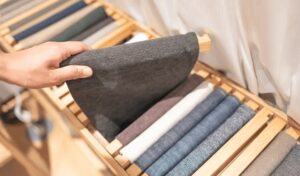
Spandex or elastane is blended with other fibers to provide elasticity. The percentage of stretch typically ranges from 2% to 15%, depending on garment type.
Shorts designed for running, gym, or yoga often use higher stretch ratios to allow full range of motion.
Typical stretch blends
| Fabric | Stretch % | Use Case |
|---|---|---|
| Cotton-Spandex | 2–5% | Casual shorts |
| Polyester-Spandex | 5–10% | Activewear |
| Nylon-Spandex | 10–15% | High-performance gym shorts |
Stretch selection ensures both comfort and functional fit.
Are sustainable fabrics used for shorts?
Sustainability has become increasingly important in apparel manufacturing. Buyers now request recycled, organic, or eco-friendly fibers.
Many modern shorts use recycled polyester, organic cotton, or bamboo blends to reduce environmental impact while maintaining performance.
At Fusionknits, we produce sustainable shorts with the same quality standards as conventional fabrics.
Examples of sustainable fibers
- Recycled polyester: Reduces plastic waste
- Organic cotton: Eliminates chemical pesticides and fertilizers
- Bamboo blends: Naturally soft, antibacterial, and eco-friendly
These fabrics support brand sustainability initiatives without compromising garment quality.
How does fabric affect shorts durability?
Durability depends on fiber type, knit or weave structure, and finishing. High-wear areas like the seat, waistband, and pocket edges must withstand friction and repeated washing.

Shorts made from polyester or nylon blends tend to be more durable than pure cotton, while blends offer a compromise between comfort and longevity.
At Fusionknits, durability testing is performed on all samples before bulk production.
Durability considerations
| Fabric | Durability | Notes |
|---|---|---|
| Cotton | Medium | Soft but prone to wear |
| Polyester | High | Resistant to abrasion |
| Nylon | High | Smooth and strong |
| Blends | Medium–High | Balance of comfort and longevity |
Quality fabrics ensure longer product life and fewer returns.
How does fabric influence comfort?
Comfort is determined by softness, breathability, stretch, and weight. A fabric that is too stiff, heavy, or non-breathable can make shorts uncomfortable even if the design is good.
For gym shorts, lightweight, moisture-wicking fabrics are preferred. For casual shorts, soft cotton or blended fabrics enhance comfort.
At Fusionknits, customer feedback often guides fabric selection for optimal comfort.
Comfort factors
- Hand feel (soft vs coarse)
- Breathability (mesh vs solid knit)
- Stretch (flexible vs rigid)
- Moisture management (quick-dry vs absorbent)
- Weight (lightweight vs structured)
These attributes determine the overall satisfaction with the shorts.
How to choose the right fabric for different markets?
Fabric selection should align with target consumers, price points, and climate. Lightweight fabrics suit hot regions, while heavier fabrics are suitable for temperate or cold climates.
Activewear brands focus on moisture-wicking and stretch, while casual wear brands prioritize comfort and feel.
At Fusionknits, we guide clients on selecting fabrics that meet market demand while ensuring manufacturability.
Market-driven fabric selection
| Market | Recommended Fabrics | Key Considerations |
|---|---|---|
| Gym/Performance | Polyester-Spandex, Nylon-Spandex | Stretch, durability, moisture-wicking |
| Casual/Everyday | Cotton, Cotton-Polyester Blend | Softness, comfort, durability |
| Premium/Luxury | High-grade cotton, wool blends | Hand feel, texture, exclusive look |
| Sustainable | Recycled Polyester, Organic Cotton | Eco-friendly production, market appeal |
Matching fabric to market ensures better sales and customer satisfaction.
Conclusion
Shorts can be made from a variety of fabrics, including cotton, polyester, nylon, spandex, and blended fibers. Each material offers unique advantages depending on the intended use, such as casual wear, activewear, or performance garments. Fabric weight, stretch, durability, and finishing all play critical roles in determining comfort and functionality.
Cotton provides softness and breathability for casual shorts, while polyester and nylon blends deliver durability, moisture-wicking, and better stretch for activewear. Blends combine these benefits to balance comfort and performance. Additionally, sustainable fabrics like recycled polyester and organic cotton are increasingly popular, offering environmental advantages without compromising quality.
At Fusionknits, we emphasize that the fabric is the foundation of every short. Proper selection, paired with appropriate finishing and construction, ensures that shorts perform well, feel comfortable, and meet consumer expectations. By understanding material properties and market needs, brands and manufacturers can create high-quality shorts that satisfy both performance and lifestyle demands.