Shorts are produced in many different styles, from casual everyday wear to high-performance activewear. However, the fabric behind the garment determines comfort, durability, stretch, breathability, and long-term wear performance.
Most shorts are made from cotton, polyester, nylon, or blended fabrics that combine softness, durability, and flexibility. The exact material depends on whether the shorts are designed for casual wear, sports, outdoor use, or fashion applications.
At Fusionknits, fabric selection is one of the most important stages in shorts manufacturing because material choice directly affects product quality, fit, and customer satisfaction.
Why is cotton one of the most common materials for shorts?
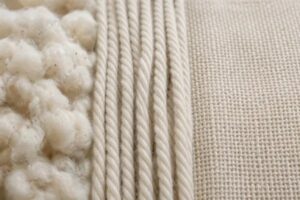
Cotton remains one of the most widely used materials in apparel manufacturing because it offers softness, breathability, and comfort. Casual shorts often rely heavily on cotton fabrics.
Cotton is commonly used in shorts because it feels soft against the skin, absorbs moisture well, and provides comfortable everyday wear.
In our production lines, cotton shorts remain highly popular in lifestyle, streetwear, and casual summer collections.
Common cotton fabrics used for shorts
| Cotton Fabric Type | Main Characteristics |
|---|---|
| Jersey Cotton | Soft and lightweight |
| Cotton Twill | Durable with structure |
| French Terry | Comfortable and thicker |
| Cotton Canvas | Heavy-duty and rugged |
Different cotton constructions create different appearances and performance levels.
Advantages of cotton shorts
- Breathable for warm weather
- Soft hand feel
- Comfortable for daily wear
- Natural fiber appeal
- Easy to dye and print
These benefits make cotton ideal for casual and fashion-focused shorts.
Limitations of cotton
Pure cotton also has several disadvantages:
- Wrinkles easily
- Slower drying speed
- Shrinkage after washing
- Less stretch compared to synthetic fabrics
Because of this, many manufacturers blend cotton with synthetic fibers to improve performance.
Why is polyester widely used in active shorts?
Polyester has become one of the most important materials in sportswear manufacturing because it offers durability and moisture management.

Polyester is widely used in active shorts because it dries quickly, resists wrinkles, maintains color well, and supports moisture-wicking performance during workouts.
At Fusionknits, polyester fabrics are commonly used in running shorts, training shorts, and teamwear collections.
Why polyester performs well in sportswear
Polyester fibers absorb very little moisture. Instead of trapping sweat, the fabric helps move moisture toward the outer surface where it evaporates quickly.
This improves:
- Sweat management
- Quick-dry performance
- Shape retention
- Durability
- Colorfastness
These features make polyester highly suitable for gym and training apparel.
Common polyester shorts fabrics
| Fabric Construction | Main Benefit |
|---|---|
| Polyester Mesh | Enhanced ventilation |
| Interlock Polyester | Smooth texture |
| Polyester-Spandex | Stretch and flexibility |
| Microfiber Polyester | Lightweight comfort |
Performance fabrics often include additional finishing treatments for better functionality.
Common concerns with polyester
Lower-quality polyester may create:
- Plastic-like texture
- Reduced breathability
- Static buildup
- Odor retention
This is why fabric quality and finishing techniques are critical in sportswear manufacturing.
Why are blended fabrics so common in shorts?
Modern shorts often combine multiple fibers to improve overall garment performance. Fabric blends help balance comfort, durability, and flexibility.
Blended fabrics are popular because they combine the strengths of natural and synthetic fibers, creating shorts that are both comfortable and durable.
In wholesale apparel manufacturing, blended fabrics often reduce customer complaints and improve garment lifespan.
Common fabric blends used in shorts
| Fabric Blend | Main Advantage |
|---|---|
| Cotton-Polyester | Comfort with durability |
| Cotton-Spandex | Softness with stretch |
| Polyester-Spandex | Performance flexibility |
| Nylon-Spandex | Compression and mobility |
The blend ratio changes the garment feel and function.
Why brands prefer blends
Blended fabrics help improve:
- Wrinkle resistance
- Stretch recovery
- Shape retention
- Moisture management
- Long-term durability
This makes them highly suitable for modern activewear and athleisure collections.
Stretch blends in active shorts
Stretch fabrics have become essential in sportswear.
Benefits include:
- Better mobility
- Reduced fabric restriction
- Enhanced comfort
- Improved fit recovery
Most gym shorts now contain some percentage of spandex or elastane.
What material is best for gym shorts?
Gym shorts require different fabric properties compared to casual or fashion shorts. Performance becomes the top priority.
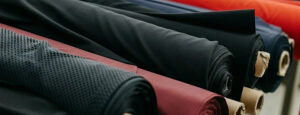
Polyester-spandex and nylon-spandex blends are considered the best materials for gym shorts because they provide stretch, moisture-wicking, durability, and flexibility during movement.
At Fusionknits, performance testing is especially important for activewear fabrics.
Key performance requirements for gym shorts
- Four-way stretch
- Moisture management
- Lightweight construction
- Fast drying speed
- Abrasion resistance
Without these features, gym shorts may become uncomfortable during training.
Why stretch matters in gym apparel
Stretch fabrics support:
- Squatting movements
- Running motion
- Flexibility during workouts
- Better fit recovery
This is why spandex is commonly added to performance fabrics.
Common gym shorts materials
| Material | Main Use |
|---|---|
| Polyester-Spandex | Training and running |
| Nylon-Spandex | Premium activewear |
| Mesh Polyester | Ventilation panels |
| Recycled Polyester | Sustainable activewear |
Technical fabrics continue evolving as activewear demand increases globally.
Nylon is another important synthetic material used in activewear and premium apparel categories. It offers a smoother and softer texture compared to polyester.
Nylon is commonly used in premium shorts because it provides durability, flexibility, abrasion resistance, and a softer hand feel.
Many luxury activewear brands prefer nylon-based fabrics.
Advantages of nylon shorts
- Smooth texture
- Excellent stretch recovery
- Strong abrasion resistance
- Lightweight feel
- Premium appearance
These qualities make nylon highly popular in premium athletic apparel.
Common nylon applications
| Shorts Category | Nylon Usage |
|---|---|
| Running Shorts | Lightweight comfort |
| Hiking Shorts | Durability |
| Compression Shorts | Stretch support |
| Luxury Activewear | Premium softness |
Nylon fabrics often include spandex for additional flexibility.
Limitations of nylon
Although nylon performs well, it also has disadvantages:
- Higher production cost
- Heat sensitivity during manufacturing
- Less natural breathability than cotton
Manufacturers must carefully manage fabric construction and finishing to maximize performance.
How does fabric weight affect shorts?
Fabric weight strongly influences comfort, durability, and garment appearance. Lightweight fabrics feel cooler, while heavier fabrics provide more structure.

Lightweight fabrics are best for active and summer shorts, while heavier fabrics are more suitable for utility, cargo, or structured casual shorts.
At Fusionknits, GSM selection is discussed early during sample development.
Typical fabric weights for shorts
| Shorts Type | Typical GSM |
|---|---|
| Running Shorts | 120-160 GSM |
| Gym Shorts | 160-220 GSM |
| Casual Shorts | 180-260 GSM |
| Utility Shorts | 240+ GSM |
Choosing the correct weight helps balance comfort and durability.
Lightweight shorts fabrics
Benefits include:
- Better airflow
- Faster drying
- Reduced garment weight
- Improved mobility
These are critical for sportswear applications.
Heavyweight shorts fabrics
Advantages include:
- Better structure
- Increased durability
- Premium appearance
- Improved pocket support
However, heavyweight fabrics may feel warmer during hot weather.
Are sustainable materials used in modern shorts?
Sustainability is becoming increasingly important in apparel sourcing and product development. Many brands now prioritize eco-friendly materials.
Modern shorts are increasingly made from sustainable materials such as recycled polyester, organic cotton, and bio-based fibers to reduce environmental impact.
At Fusionknits, sustainable shorts development continues growing each year.
Common sustainable materials
| Sustainable Material | Main Benefit |
|---|---|
| Recycled Polyester | Reduces plastic waste |
| Organic Cotton | Lower chemical usage |
| Recycled Nylon | Supports circular production |
| Bamboo Blends | Soft and renewable |
These materials help brands improve environmental positioning.
Sustainability challenges in shorts manufacturing
Manufacturers still face challenges such as:
- Recycling blended fabrics
- Maintaining durability
- Managing dyeing impact
- Controlling production costs
Balancing sustainability and performance remains a major focus in modern apparel manufacturing.
How should brands choose shorts materials?
There is no single best fabric for every type of shorts. Material selection depends on product category, target market, and customer expectations.
Brands should select shorts materials based on comfort, durability, performance requirements, climate conditions, and price positioning.
At Fusionknits, material selection always starts with the intended use of the garment.
Questions brands should ask before choosing materials
- Is the product casual or performance-focused?
- Does the garment require stretch?
- Is moisture management important?
- What is the target retail price?
- Which climate will the shorts sell in?
These factors strongly influence fabric development decisions.
Recommended material selection by category
| Product Type | Recommended Material |
|---|---|
| Casual Shorts | Cotton or Cotton Blend |
| Gym Shorts | Polyester-Spandex |
| Running Shorts | Lightweight Polyester |
| Premium Activewear | Nylon-Spandex |
| Sustainable Shorts | Recycled Polyester |
Material selection directly affects both product performance and market success.
Conclusion
Most shorts are made from cotton, polyester, nylon, or blended fabrics that combine comfort, durability, and flexibility. Cotton remains highly popular for casual shorts because of its softness and breathability, while polyester and nylon dominate activewear due to their moisture-wicking performance, durability, and lightweight construction. Blended fabrics continue growing in popularity because they balance natural comfort with technical performance.
In modern apparel manufacturing, material selection affects nearly every aspect of the final garment, including stretch recovery, drying speed, durability, comfort, and long-term appearance. Fabric weight, finishing treatments, and fiber composition must all align with the intended product category, whether the shorts are designed for training, casualwear, or outdoor activities.
At Fusionknits, we believe the right material is the foundation of high-quality shorts. Successful shorts manufacturing requires careful fabric selection, performance testing, and production expertise to ensure garments meet both functional requirements and customer expectations. As fashion and activewear markets continue evolving, material innovation will remain one of the most important factors shaping the future of shorts manufacturing.