Heated vests have become increasingly popular in outdoor apparel, workwear, winter sports, and everyday cold-weather fashion. However, many buyers struggle to identify which companies truly produce high-quality heated vests instead of low-cost products with unreliable heating systems.
The best heated vest companies are usually those with strong expertise in battery technology, heating system safety, fabric durability, and garment construction. Brands like ORORO, Milwaukee, Bosch, and several premium outdoor apparel manufacturers are widely recognized for producing reliable heated vests.
At Fusionknits, we understand that heated garments require much more technical development than traditional outerwear. A successful heated vest combines apparel engineering with electronic component integration, thermal performance, and long-term durability.
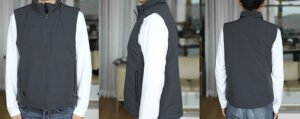
Why are heated vests more technical than regular outerwear?
Many consumers think heated vests are simply standard vests with battery packs added inside. In reality, heated apparel requires specialized engineering and manufacturing processes.
Heated vests combine textile manufacturing with electronic heating systems, battery management, insulation design, and safety testing. This makes them significantly more complex than traditional outerwear garments.
At Fusionknits, we see heated apparel as a hybrid category between fashion manufacturing and wearable technology.
Core components inside heated vests
| Component | Main Function |
|---|---|
| Heating elements | Generate warmth |
| Battery pack | Supplies power |
| Insulation layers | Retain heat |
| Outer shell fabric | Weather protection |
| Control system | Adjusts temperature |
Every component affects comfort, safety, and durability.
Why quality matters more in heated garments
Poorly manufactured heated vests may create:
- Uneven heating
- Battery failure
- Wiring damage
- Overheating risks
- Poor wash durability
Because of this, buyers often prefer established brands with strong technical development capability.
Why is ORORO one of the most recognized heated vest brands?
ORORO has become one of the most visible heated apparel companies in recent years because it focuses heavily on consumer-friendly heated products.

ORORO is considered one of the best heated vest companies because it combines reliable heating systems, lightweight garment construction, user-friendly controls, and relatively affordable pricing.
The brand is especially popular in lifestyle and casual winter apparel categories.
Why consumers like ORORO heated vests
- Lightweight construction
- Even heat distribution
- Simple battery controls
- Washable garment systems
- Good price-to-performance ratio
This balance has helped the brand grow quickly in global markets.
Common ORORO heated vest features
| Feature | Benefit |
|---|---|
| Carbon fiber heating | Flexible and lightweight |
| Multi-zone heating | More balanced warmth |
| USB rechargeable battery | Convenient charging |
| Water-resistant shell | Outdoor usability |
These features support both everyday wear and outdoor use.
Limitations of lifestyle-focused heated brands
Compared to industrial brands, lifestyle heated vests may have:
- Lower durability in harsh work environments
- Lighter insulation
- Smaller battery capacity
The intended use category strongly affects product design.
Why is Milwaukee considered strong in heated workwear?
Milwaukee is widely respected in industrial workwear because of its durable battery systems and heavy-duty garment construction.
Milwaukee heated vests are highly regarded for workwear applications because they integrate powerful battery platforms, durable materials, and long-lasting heating performance.
The company benefits from its expertise in professional power tool battery technology.
Why Milwaukee performs well in harsh environments
Advantages include:
- Rugged outer fabrics
- Strong battery compatibility
- Long operating time
- Reliable heating consistency
- Durable construction standards
These qualities make Milwaukee popular among construction and industrial users.
Milwaukee heated vest technology
| Feature | Purpose |
|---|---|
| REDLITHIUM battery system | Extended runtime |
| Multi-zone heating | Better heat coverage |
| Reinforced fabric construction | Durability |
| Wind-resistant shell | Outdoor protection |
Industrial heated garments require stronger construction compared to lifestyle products.
Why battery integration matters
Battery quality directly affects:
- Heating duration
- Safety performance
- Weight distribution
- Charging efficiency
This is why companies with battery expertise often perform well in heated apparel markets.
What makes Bosch heated apparel competitive?
Bosch applies its engineering background to heated workwear and outdoor apparel systems.
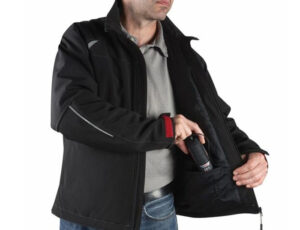
Bosch heated vests are respected because they combine precision battery technology, efficient heat control systems, and durable workwear-focused construction.
The company focuses heavily on professional users.
Advantages of Bosch heated vests
- Stable heating output
- Strong battery reliability
- Durable garment design
- Efficient energy management
These features improve long-term performance in demanding environments.
Why engineering companies succeed in heated apparel
Companies experienced in electronics often understand:
- Battery safety systems
- Heat management
- Power efficiency
- Thermal regulation
These technical areas are critical for heated garments.
Fabric selection is extremely important because heated garments must balance warmth, flexibility, durability, and electronic compatibility.
Most premium heated vests use polyester, nylon, softshell fabrics, and insulated synthetic materials because these fabrics support heat retention while remaining lightweight and durable.
At Fusionknits, fabric engineering is one of the most important stages in heated apparel development.
Common heated vest fabrics
| Fabric Type | Main Benefit |
|---|---|
| Softshell Polyester | Wind resistance |
| Nylon Ripstop | Durability |
| Fleece Lining | Warmth and comfort |
| Synthetic Insulation | Heat retention |
These materials help maximize heating efficiency.
Why lightweight fabrics matter
Heated garments already contain:
- Batteries
- Wiring systems
- Heating panels
Heavy fabrics can make the vest uncomfortable during long-term wear.
Why insulation design is important
Good insulation improves:
- Battery efficiency
- Heat retention
- User comfort
- Energy consumption
Proper insulation reduces unnecessary heat loss.
How do heating systems work inside heated vests?
The heating system is the core technology behind heated apparel performance.

Most heated vests use carbon fiber or conductive wire heating elements powered by rechargeable lithium-ion batteries.
Modern heating systems are designed to remain flexible and washable.
Common heating element technologies
| Heating Technology | Main Advantage |
|---|---|
| Carbon Fiber Heating | Flexible and lightweight |
| Metal Wire Heating | Strong heat output |
| Graphene Heating | Thin and efficient |
Carbon fiber remains one of the most widely used solutions today.
Why carbon fiber is popular
Carbon fiber heating elements offer:
- Flexibility
- Lightweight structure
- Even heat distribution
- Better garment comfort
These advantages improve wearability significantly.
Typical heating zones in heated vests
Most heated vests target:
- Chest area
- Upper back
- Lower back
- Collar region
Strategic heat placement improves thermal efficiency.
Are heated vests safe to wear?
Safety is one of the biggest concerns in heated apparel manufacturing. Poor-quality electronic systems can create significant risks.
High-quality heated vests are generally safe because they include temperature regulation systems, overheat protection, and certified battery technology.
At Fusionknits, safety testing is essential for any electronic apparel development.
Important safety features
- Overheating protection
- Short-circuit prevention
- Waterproof connectors
- Temperature control systems
- Certified battery packs
These systems reduce operational risks.
Why certifications matter
Reliable heated apparel brands often use:
| Certification | Purpose |
|---|---|
| CE Certification | European safety compliance |
| UL Certification | Electrical safety |
| RoHS Compliance | Hazardous material restriction |
Certification improves buyer confidence significantly.
Common safety problems in low-cost heated vests
Poor manufacturing may cause:
- Battery overheating
- Uneven heating
- Wire breakage
- Connection failure
This is why technical quality control is extremely important.
How does battery quality affect heated vest performance?
Battery technology is one of the biggest differences between premium and low-cost heated vest brands.
High-quality lithium-ion batteries improve heating duration, charging efficiency, safety, and overall garment reliability.
Battery systems directly influence user satisfaction.
Factors affecting battery performance
| Battery Feature | Impact |
|---|---|
| Battery capacity | Heating duration |
| Voltage stability | Consistent warmth |
| Charging speed | User convenience |
| Weight | Garment comfort |
Better batteries usually increase product cost but improve overall performance.
Why heating duration matters
Consumers expect heated vests to operate for:
- Outdoor activities
- Winter commuting
- Long work shifts
Insufficient battery life creates major customer dissatisfaction.
How should buyers choose a heated vest manufacturer?
Selecting a heated apparel supplier requires more technical evaluation than regular garment sourcing.
Buyers should evaluate heated vest manufacturers based on battery quality, safety testing, heating consistency, fabric durability, and electronic integration capability.
At Fusionknits, heated garment development requires close collaboration between textile engineers and electronic component suppliers.
Questions buyers should ask suppliers
- What heating technology is used?
- Are batteries safety certified?
- How many heating zones are included?
- Can the garment withstand repeated washing?
- What testing standards are used?
These questions help identify experienced heated apparel manufacturers.
Important heated vest testing areas
| Testing Area | Purpose |
|---|---|
| Wash testing | Durability verification |
| Battery cycle testing | Charging lifespan |
| Heat consistency testing | User comfort |
| Safety testing | Overheat prevention |
| Fabric abrasion testing | Long-term wear durability |
Technical testing is critical in electronic apparel categories.
Conclusion
The best heated vest companies are usually those that combine strong garment manufacturing expertise with advanced battery and heating system technology. Brands like ORORO, Milwaukee, and Bosch have become industry leaders because they focus on heating performance, safety systems, durable materials, and long-term product reliability.
Premium heated vests require much more than simple apparel construction. Fabric engineering, insulation design, battery management, electronic integration, and thermal regulation all play important roles in final garment performance. High-quality heated apparel must balance warmth, flexibility, comfort, durability, and safety while remaining lightweight and wearable.
At Fusionknits, we believe successful heated vest manufacturing depends on technical development, reliable components, and strict quality testing. As heated apparel continues growing in both outdoor and lifestyle markets, brands that prioritize safety, comfort, and engineering quality will remain the strongest competitors in the industry.