Pima cotton is widely regarded as one of the highest-quality cotton fibers available in the apparel industry. Known for its exceptional softness, durability, and premium appearance, Pima cotton is commonly used in luxury T-shirts and elevated basics. However, many consumers and apparel buyers still wonder whether Pima cotton T-shirts shrink after washing.
Yes, Pima cotton T-shirts can shrink, but they generally shrink less than regular cotton garments because Pima cotton fibers are longer, stronger, and more stable. Proper fabric processing, pre-shrinking treatments, and correct garment care can significantly reduce shrinkage.
At Fusionknits, we manufacture premium cotton apparel for brands worldwide. One of the most common questions we receive from buyers is how Pima cotton behaves after washing and whether it maintains its size and shape over time.
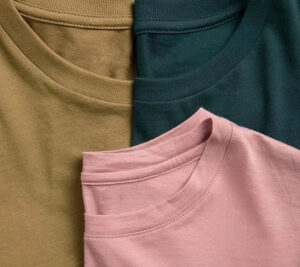
What is Pima cotton?
Before discussing shrinkage, it is important to understand what makes Pima cotton different from regular cotton.
Pima cotton is an extra-long staple cotton known for its superior fiber length, softness, strength, and durability.
The longer fibers create smoother yarns and stronger fabrics.
Characteristics of Pima cotton
| Feature | Pima Cotton | Regular Cotton |
|---|---|---|
| Fiber Length | Extra Long Staple | Short to Medium Staple |
| Softness | Excellent | Good |
| Durability | High | Moderate |
| Pilling Resistance | High | Moderate |
| Shrinkage Resistance | Better | Standard |
These characteristics contribute to Pima cotton's premium reputation.
Why fiber length matters
Long fibers create:
- Stronger yarns
- Smoother fabric surfaces
- Better dimensional stability
- Reduced pilling
This helps garments maintain their appearance longer.
Why do cotton T-shirts shrink?
All cotton fibers have the potential to shrink under certain conditions.

Cotton shrinks because the fibers relax when exposed to moisture, heat, and agitation during washing and drying.
The manufacturing process stretches fibers and fabrics, and washing allows them to return closer to their natural state.
Main causes of shrinkage
- Hot water washing
- High dryer temperatures
- Fabric tension during production
- Lack of pre-shrinking treatment
These factors affect all cotton garments to some degree.
What happens during shrinkage?
When cotton fibers absorb water:
- Fibers swell.
- Yarn structure relaxes.
- Fabric dimensions contract.
- Garment size becomes smaller.
This process is natural for cotton-based products.
Does Pima cotton shrink less than regular cotton?
One of the advantages of Pima cotton is its improved stability.
Pima cotton generally shrinks less than standard cotton because its extra-long fibers create stronger yarn structures and more stable fabrics.
However, shrinkage is still possible if garments are not properly treated or cared for.
Why Pima cotton performs better
Long fibers provide:
- Better yarn integrity
- Reduced fabric distortion
- Improved durability
- Greater dimensional stability
This leads to better long-term garment performance.
Typical shrinkage comparison
| Fabric Type | Expected Shrinkage |
|---|---|
| Standard Cotton | 5-10% |
| Pima Cotton | 2-5% |
| Pre-Shrunk Pima Cotton | 1-3% |
Actual shrinkage varies depending on manufacturing quality.
How does fabric construction affect shrinkage?
Fiber quality is only one part of the equation.
The knitting structure, fabric weight, and finishing processes also influence how much a Pima cotton T-shirt may shrink.
At Fusionknits, we pay close attention to construction during product development.
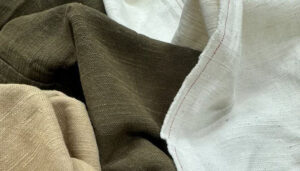
Common knit structures
| Knit Type | Shrinkage Tendency |
|---|---|
| Single Jersey | Moderate |
| Interlock Knit | Lower |
| Rib Knit | Moderate to High |
| Pique Knit | Moderate |
Different knit structures react differently during washing.
Why fabric density matters
Higher-density fabrics often:
- Maintain shape better
- Resist distortion
- Experience less dimensional change
Premium T-shirts frequently use tighter knit constructions.
What is pre-shrinking and why is it important?
Most premium apparel manufacturers use pre-shrinking treatments.
Pre-shrinking is a finishing process that intentionally relaxes fabric before garment production to minimize future shrinkage.
This process significantly improves size consistency.
Common pre-shrinking methods
- Compaction
- Sanforization
- Steam relaxation
- Enzyme finishing
These treatments help stabilize the fabric.
Benefits of pre-shrinking
- Better fit consistency
- Reduced customer complaints
- Improved garment performance
- Lower return rates
Pre-shrinking is considered essential for premium products.
Does garment dyeing affect shrinkage?
Many premium T-shirts undergo garment dyeing for a softer feel and unique appearance.

Garment-dyed Pima cotton T-shirts may experience slightly different shrinkage behavior because the dyeing process introduces additional moisture and heat exposure.
Proper finishing becomes even more important.
Advantages of garment dyeing
- Softer hand feel
- Rich color depth
- Unique appearance
However, additional stabilization may be required.
Why quality finishing matters
Manufacturers must carefully control:
- Water temperature
- Drying temperature
- Fabric relaxation
Proper control reduces shrinkage risks.
How should Pima cotton T-shirts be washed?
Consumer care plays a major role in garment longevity.
Washing Pima cotton T-shirts correctly can significantly reduce shrinkage and maintain fabric quality over time.
Proper care helps preserve the garment's original dimensions.
Recommended washing instructions
- Wash in cold water
- Use gentle detergent
- Avoid bleach
- Turn garment inside out
These practices protect both fabric and color.
Recommended drying methods
| Method | Shrinkage Risk |
|---|---|
| Air Drying | Very Low |
| Low Heat Tumble Dry | Low |
| Medium Heat Dry | Moderate |
| High Heat Dry | High |
Heat is the biggest contributor to shrinkage.
Why air drying is preferred
Air drying helps:
- Preserve size
- Reduce fabric stress
- Extend garment lifespan
Many luxury brands recommend this method.
Do blended Pima cotton fabrics shrink less?
Some premium T-shirts blend Pima cotton with other fibers.
Pima cotton blends often shrink less than 100% Pima cotton because synthetic fibers help stabilize fabric dimensions.
Blends are increasingly common in premium apparel.
Common Pima cotton blends
| Blend | Benefits |
|---|---|
| Pima Cotton-Modal | Softness and stability |
| Pima Cotton-Polyester | Reduced shrinkage |
| Pima Cotton-Spandex | Improved stretch |
Each blend offers unique performance characteristics.
Why brands use blends
Blends can improve:
- Durability
- Recovery
- Moisture management
- Dimensional stability
This helps meet modern consumer expectations.
How can buyers evaluate shrinkage risk?
For apparel brands, shrinkage testing is an important part of product development.
Professional shrinkage testing helps manufacturers predict how garments will perform after washing and ensures quality consistency.
At Fusionknits, shrinkage testing is a standard part of quality control.
Common shrinkage tests
- Home laundering simulation
- Wash-and-dry cycles
- Dimensional stability measurements
These tests help identify potential issues before production.
Acceptable shrinkage standards
| Garment Type | Industry Target |
|---|---|
| Premium T-Shirts | Under 3% |
| Standard T-Shirts | Under 5% |
| Luxury Apparel | Under 2% |
Premium brands typically require stricter standards.
Why do some Pima cotton T-shirts still shrink?
Even high-quality Pima cotton garments can shrink under certain conditions.
Shrinkage often occurs when garments are exposed to excessive heat or when manufacturers skip proper stabilization processes.
Fiber quality alone cannot eliminate shrinkage.
Common causes of excessive shrinkage
- Poor fabric finishing
- No pre-shrinking treatment
- High-temperature drying
- Low-quality manufacturing
These factors often create customer dissatisfaction.
They invest in:
- Fabric compaction
- Quality yarn selection
- Wash testing
- Controlled production processes
These measures improve long-term garment stability.
Is shrinkage a sign of poor quality?
Many consumers assume any shrinkage indicates poor quality.
A small amount of shrinkage is normal for natural cotton fibers and does not necessarily indicate a manufacturing defect.
The key factor is whether shrinkage remains within acceptable limits.
Normal shrinkage expectations
- 1-3% for premium pre-shrunk garments
- 2-5% for untreated cotton products
Excessive shrinkage is usually the real concern.
Why expectations matter
Consumers should understand:
- Cotton is a natural fiber
- Some dimensional change is normal
- Proper care reduces shrinkage
Education helps improve satisfaction.
Many buyers compare Pima cotton with other luxury materials.
Pima cotton offers an excellent balance of softness, durability, and shrinkage resistance compared to standard cotton, modal, bamboo, and other premium fibers.
This balance contributes to its popularity.
Premium fabric comparison
| Fabric | Softness | Durability | Shrinkage Resistance |
|---|---|---|---|
| Pima Cotton | Excellent | Excellent | Good |
| Standard Cotton | Good | Moderate | Moderate |
| Modal | Excellent | Moderate | Excellent |
| Bamboo Blend | Excellent | Good | Good |
Pima cotton remains one of the most versatile premium options.
Conclusion
Pima cotton T-shirts can shrink, but they generally shrink less than regular cotton garments because of their extra-long staple fibers and stronger yarn structures. Most high-quality Pima cotton T-shirts experience only minimal shrinkage when manufacturers use proper pre-shrinking treatments, fabric stabilization processes, and quality control measures. In many cases, shrinkage can be reduced to less than 3%, making Pima cotton one of the most stable natural cotton fabrics available.
Several factors influence shrinkage, including knit construction, fabric finishing, garment dyeing, washing temperature, and drying methods. While some dimensional change is normal for natural cotton fibers, excessive shrinkage is often linked to poor manufacturing practices or improper garment care. Premium brands typically invest heavily in compaction, shrinkage testing, and fabric engineering to ensure long-term size consistency.
At Fusionknits, we recommend combining premium Pima cotton yarns with advanced finishing techniques and thorough testing to achieve the best results. When properly manufactured and cared for, Pima cotton T-shirts maintain their softness, shape, and fit for years, making them one of the most reliable and luxurious choices in the premium apparel market.