Shorts are a staple in wardrobes around the world, from casual summer wear to athletic and professional styles. While the design, fit, and style often get attention, the material used in shorts plays an equally critical role in determining comfort, durability, breathability, and performance. Choosing the right fabric is essential for both consumers and apparel brands.
Common materials used to make shorts include cotton, polyester, nylon, spandex blends, denim, linen, and technical performance fabrics. The ideal choice depends on the intended use, climate, activity level, and desired aesthetic.
At Fusionknits, we manufacture a wide range of shorts for fashion brands, activewear companies, and wholesale buyers. Understanding the different fabrics helps us design shorts that meet market demands while delivering quality and performance.
Why fabric selection matters in shorts
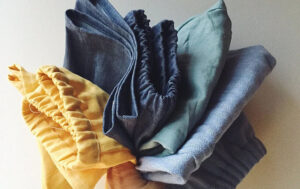
Fabric affects how shorts feel, perform, and maintain their shape over time.
The right fabric ensures comfort, durability, breathability, stretch, and appearance, while the wrong choice can lead to discomfort, shrinkage, or poor performance.
Even minor variations in fiber content or construction can significantly change the wearer’s experience.
Key functions of shorts fabric
| Feature | Importance |
|---|---|
| Comfort | Very High |
| Breathability | High |
| Durability | High |
| Stretch & Mobility | Medium-High |
| Appearance | Medium |
| Moisture Management | High for activewear |
Selecting fabric for shorts is a balance between function, appearance, and cost.
Questions to guide selection
- Will the shorts be for sports, casual wear, or fashion?
- What climate or environment will they be used in?
- Is stretch or mobility important?
- Is durability critical for frequent wear?
- Is sustainability a priority?
Answering these questions helps brands narrow material options.
Why cotton is widely used for shorts
Cotton is one of the most common fibers used in casual and lifestyle shorts.

Cotton is valued for its softness, breathability, and comfort, making it ideal for everyday wear, casual shorts, and loungewear.
Cotton shorts remain popular for their classic feel and versatility.
Advantages of cotton shorts
- Soft and comfortable against the skin
- Breathable in hot weather
- Natural fiber, hypoallergenic
- Easy to dye and print
- Suitable for casual and fashion applications
Cotton is ideal for summer wear and casual outfits.
Popular cotton constructions
| Fabric Type | Application |
|---|---|
| Cotton Twill | Chino shorts, casual wear |
| Cotton Jersey | Casual or lounge shorts |
| Cotton Fleece | Sweat shorts or athletic loungewear |
| French Terry | Relaxed or premium casual shorts |
Each construction offers a different feel, drape, and performance.
Limitations of cotton
- Absorbs moisture, slower drying
- Can shrink without pre-treatment
- Less suitable for high-intensity sports
These limitations should be considered for performance shorts.
Why polyester is common for athletic shorts
Polyester dominates the activewear industry due to its technical advantages.
Polyester is used in shorts for its lightweight, moisture-wicking, quick-drying, and durable properties.
Sports brands often favor polyester for running shorts, gym shorts, and other performance-oriented designs.
Benefits of polyester shorts
- Moisture-wicking and quick-drying
- Lightweight and strong
- Resistant to wrinkles and fading
- Easy to care for
- Maintains shape and appearance after repeated washes
Polyester works well in both casual and high-performance applications.
Typical sports and activewear uses
| Activity | Polyester Use |
|---|---|
| Running | Very High |
| Gym Training | Very High |
| Soccer/Basketball | High |
| Outdoor Activities | High |
| Casual Activewear | Moderate |
Polyester allows consistent performance across many applications.
Nylon offers unique advantages for both outdoor and technical shorts.
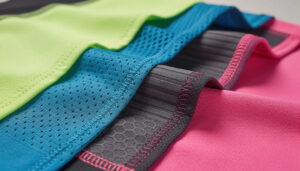
Nylon is smooth, strong, lightweight, and highly resistant to abrasion, making it a premium choice for activewear and outdoor shorts.
Many higher-end sportswear and travel shorts use nylon.
Benefits of nylon
- Soft hand feel
- Durable and long-lasting
- Resistant to wear and tear
- Lightweight and quick-drying
- Suitable for outdoor and travel wear
Nylon feels more premium and performs well under rigorous use.
Common nylon applications
| Product Type | Usage |
|---|---|
| Hiking Shorts | Very High |
| Travel Shorts | High |
| Running Shorts | Moderate |
| Luxury Activewear | High |
Outdoor brands often prefer nylon for durability and lightweight performance.
Why spandex blends enhance performance
Adding spandex or elastane to shorts improves flexibility and fit.
Spandex blends provide stretch, mobility, and comfort, particularly important for athletic shorts or form-fitting styles.
Even a small percentage of spandex can significantly improve wearability.
Typical spandex blends
| Blend | Spandex % | Purpose |
|---|---|---|
| Cotton-Spandex | 3–8% | Casual and stretchy fit |
| Polyester-Spandex | 5–12% | Performance shorts, gym wear |
| Nylon-Spandex | 10–15% | Travel, hiking, and premium activewear |
Stretch improves range of motion and fit retention.
Benefits of stretch fabrics
- Enhanced comfort and mobility
- Better shape retention
- Reduced restriction during activity
- Supports performance and active lifestyle
Blends are essential for modern performance shorts.
Why linen is used in summer shorts
Linen is prized for its lightweight, breathable, and cooling properties.

Linen shorts are ideal for warm-weather fashion, beachwear, and resort wear because they provide airflow and natural temperature regulation.
Linen remains popular for casual and premium summer shorts.
Benefits of linen
- Excellent airflow and breathability
- Lightweight and cool
- Natural, relaxed appearance
- Comfortable for hot climates
Linen creates a distinct casual style with premium appeal.
Common linen applications
| Product Type | Popularity |
|---|---|
| Resort Wear | Very High |
| Summer Fashion | High |
| Vacation Apparel | High |
| Casual Lifestyle | Medium |
Linen shorts perform well in tropical and hot-weather markets.
Limitations of linen
- Wrinkles easily
- Limited stretch
- Requires careful laundering
Many consumers accept wrinkles as part of linen’s appeal.
Why blends are common in modern shorts
Many shorts combine fibers to maximize performance, comfort, and durability.
Blended fabrics such as cotton-polyester or nylon-spandex create shorts that balance softness, stretch, durability, and moisture management.
Blends allow brands to tailor features to specific consumer needs.
Popular blends
- Cotton-Polyester: casual comfort with durability
- Polyester-Spandex: sports and gym performance
- Nylon-Spandex: travel, hiking, and premium performance
- Cotton-Linen: summer fashion and comfort
Blends improve functionality and versatility.
Why blends are chosen
- Combine benefits of multiple fibers
- Enhance durability and shape retention
- Improve moisture management and drying
- Provide consistent comfort and performance
Blends are common in modern activewear and casual shorts.
How fabric affects shorts pricing and positioning
The material used influences both production cost and market positioning.
Premium fabrics such as organic cotton, recycled polyester, and technical nylon blends often increase cost but allow brands to position shorts as luxury or high-performance products.
Lower-cost fabrics like basic cotton or polyester are used for mass-market or entry-level shorts.
Example fabric cost comparison
| Fabric | Relative Cost |
|---|---|
| Cotton | Low |
| Polyester | Medium |
| Nylon | Medium-High |
| Cotton-Linen | High |
| Performance Nylon-Spandex | High |
| Organic Cotton | Very High |
Material choice often defines the retail price and brand perception.
How to choose the best material for shorts
There is no one-size-fits-all fabric for shorts.
The best fabric depends on intended use, activity, climate, durability needs, and target market.
At Fusionknits, we help brands select fabrics that balance performance, comfort, and cost.
Recommended fabrics by shorts type
| Shorts Type | Recommended Fabric |
|---|---|
| Casual Everyday Shorts | Cotton or Cotton-Polyester |
| Athletic/Gym Shorts | Polyester-Spandex |
| Running Shorts | Nylon-Spandex |
| Summer Beach Shorts | Linen or Cotton-Linen |
| Travel Shorts | Nylon blends |
| Luxury/Designer Shorts | Organic Cotton or Premium Blends |
Matching fabric to purpose ensures consumer satisfaction and product longevity.
Common mistakes in fabric selection
- Prioritizing cost over performance
- Ignoring stretch or mobility needs
- Choosing fabric unsuitable for climate
- Overlooking care and maintenance requirements
Proper planning improves product performance and customer satisfaction.
Conclusion
The material used to make shorts varies widely depending on their purpose. Cotton is ideal for casual and comfortable everyday wear, polyester and nylon dominate athletic and high-performance styles, spandex blends provide stretch and mobility, and linen creates breathable, stylish summer shorts. Blends allow designers to optimize comfort, durability, and functionality. Sustainable and premium materials are increasingly popular for fashion-conscious and eco-friendly markets.
At Fusionknits, we emphasize fabric selection as the foundation for designing high-quality, versatile, and commercially successful shorts.Fabric selection not only affects comfort and durability but also determines pricing, brand positioning, and consumer satisfaction. By understanding the unique properties of each material, brands can create shorts that perform well, look great, and meet market expectations.