Boardshorts are an essential piece of swimwear and activewear for surfers, beachgoers, and water sports enthusiasts. Unlike regular shorts, boardshorts must withstand exposure to water, sun, sand, and physical activity while remaining lightweight, flexible, and quick-drying. For apparel brands, selecting the best material is a critical step in designing high-performance boardshorts.
The best materials for boardshorts are polyester, nylon, and blends with elastane or spandex. These fabrics provide durability, quick-drying properties, stretch, UV protection, and comfort for both recreational and competitive water activities.
At Fusionknits, we manufacture boardshorts for sportswear brands and beachwear labels worldwide. Understanding material performance helps brands create durable, comfortable, and stylish boardshorts that meet customer expectations.
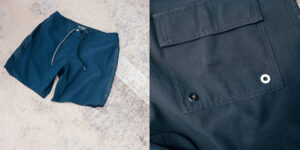
Why material matters in boardshorts
Boardshorts are exposed to water, sun, and friction, so fabric choice directly affects performance and longevity.
The fabric determines stretch, quick-drying ability, resistance to fading, comfort, and durability in aquatic conditions.
Even minor differences in fiber composition can drastically change the user experience.
Key performance requirements
| Feature | Importance |
|---|---|
| Quick-Drying | Very High |
| Durability | High |
| Stretch & Mobility | High |
| UV Protection | Medium-High |
| Softness | Medium |
| Lightweight | High |
Balancing these factors ensures boardshorts meet both functional and fashion needs.
Questions brands should ask
Before selecting fabric:
- Is the boardshort for competitive surfing or casual wear?
- What climate or water conditions will it be used in?
- Is sustainability a priority?
- What stretch or comfort levels are needed?
- What price point is targeted?
Answering these questions helps determine the optimal material.
Why polyester is the top choice for boardshorts
Polyester is one of the most widely used fabrics in high-performance boardshorts.

Polyester offers durability, lightweight comfort, UV resistance, and excellent quick-drying properties, making it ideal for active water sports.
It also holds color well, ensuring vibrant prints last season after season.
Advantages of polyester
- Quick-drying
- Lightweight and strong
- Excellent color retention
- Resistant to UV degradation
- Affordable and easy to produce
Polyester is particularly suitable for printed boardshorts and everyday wear.
Typical polyester boardshort applications
- Recreational surfing
- Beachwear collections
- Swim training shorts
- Vacation and resort wear
Polyester meets a broad range of consumer needs.
Why nylon is also common
Nylon is another popular fabric for water sports apparel.
Nylon is smooth, strong, lightweight, and has fast-drying properties, making it a suitable alternative to polyester for boardshorts.
Many high-end boardshort brands prefer nylon for its sleek appearance and comfort.
Benefits of nylon
- Smooth, soft hand feel
- High tensile strength
- Quick drying
- Lightweight performance
- Minimal water absorption
Nylon boardshorts are often slightly more comfortable than polyester but can cost more.
Common uses of nylon
- Premium surf collections
- Competition-oriented boardshorts
- Travel and lightweight resort shorts
Its versatility supports multiple market segments.
Why spandex or elastane blends enhance performance
Stretch is critical for comfort and mobility during surfing and water sports.
Adding elastane or spandex (usually 2–8%) to polyester or nylon provides four-way stretch, improved movement, and better fit for boardshorts.
These blends allow users to paddle, turn, and jump without restriction.

Benefits of stretch fabrics
- Enhanced mobility
- Better garment fit
- Reduced tension and discomfort
- Retains shape over time
Stretch fabrics are particularly valuable for performance-oriented boardshorts.
Typical blends
| Blend | Stretch % | Common Use |
|---|---|---|
| Polyester-Spandex | 2–5% | Recreational surfing |
| Nylon-Spandex | 5–8% | Competitive or premium shorts |
| Polyester-Elastane | 3–6% | Casual beachwear |
Blends can balance comfort and durability effectively.
How fabric weight affects boardshort performance
Fabric weight, measured in grams per square meter (GSM), influences comfort, flexibility, and drying speed.
Lightweight fabrics (120–180 GSM) are standard for boardshorts, providing rapid drying and flexibility without bulk.
Heavier fabrics can add durability but reduce mobility and slow drying.
Weight recommendations
| Weight | Recommended Use |
|---|---|
| 120–150 GSM | Racing, performance |
| 150–180 GSM | Everyday recreational surfing |
| 180–200 GSM | Luxury or heavy-duty styles |
Selecting the correct weight balances performance with longevity.
Why lightweight fabrics are preferred
- Faster drying
- Better comfort in wet conditions
- Less restriction during movement
- Reduced water weight
Lightweight fabrics are critical for functional boardshorts.
Why water repellency matters
Water-resistant or hydrophobic finishes can improve performance.

Treated fabrics shed water more effectively, reducing drag and increasing drying speed for boardshorts.
Many high-performance surf brands incorporate DWR (Durable Water Repellent) coatings.
Benefits of water repellency
- Reduces water absorption
- Speeds up drying
- Maintains light weight
- Improves comfort in prolonged water activity
Coatings can enhance performance without affecting fabric softness.
How UV protection fabrics enhance comfort
Sun exposure is a major concern during extended water activity.
Fabrics with UV protection help prevent sunburn and protect skin while maintaining comfort.
Polyester and nylon blends can incorporate UV-resistant treatments.
Why UV fabrics are important
- Reduces risk of sunburn
- Extends safe exposure time
- Improves wearer confidence
- Supports premium product positioning
UV protection is a selling point for activewear boardshorts.
How sustainability influences material choice
Eco-conscious consumers are increasingly important in the surf and beachwear market.
Recycled polyester, recycled nylon, and organic cotton blends are gaining popularity for boardshorts to reduce environmental impact.
Sustainable fabrics can still provide performance similar to virgin materials.
Popular eco-friendly fabrics
- Recycled polyester (rPET)
- Recycled nylon (ECONYL®)
- Organic cotton-polyester blends
- Bamboo-fiber blends
Sustainability appeals to environmentally-conscious consumers and premium brands.
Why brands adopt sustainable fabrics
- Meets consumer expectations
- Supports eco-friendly initiatives
- Enables premium branding
- Reduces environmental footprint
Sustainable fabrics are increasingly seen as a competitive advantage.
How trims and construction affect fabric performance
Fabric choice alone doesn’t guarantee performance. Construction and trims also matter.
Boardshort features such as reinforced stitching, water-resistant threads, mesh liners, and waistband construction affect comfort and durability.
High-quality fabrication enhances the advantages of premium fabrics.
Common trim considerations
- Drawstring waist cords
- Mesh brief liners
- Water-resistant stitching
- Reinforced side seams
- Branded tags and logos
Trims impact both comfort and visual appeal.
Why construction matters
Even the best fabric can fail if the garment is poorly constructed:
- Seams may tear
- Water may penetrate pockets
- Stretch zones may deform
- Waistbands may lose elasticity
High-quality manufacturing maximizes fabric performance.
How to choose the best material for your target audience
Not every market requires the same fabric.
For high-performance surfers, lightweight nylon-spandex blends with DWR finishes are ideal. For casual beachgoers, polyester with moderate stretch and durability is sufficient.
Market positioning informs material selection.
Recommended fabrics by boardshort type
| Type | Recommended Fabric |
|---|---|
| Performance Surf Shorts | Nylon-Spandex with DWR |
| Recreational Beachwear | Polyester-Spandex blend |
| Premium Lifestyle Shorts | Recycled nylon or polyester |
| Lightweight Summer Shorts | Nylon or cotton-polyester blend |
| Eco-Friendly Lines | Recycled polyester/nylon |
Aligning material to user needs ensures commercial success.
Conclusion
The best material for boardshorts depends on intended use, target customer, and performance requirements. Polyester and nylon remain the most popular choices due to their durability, lightweight performance, and quick-drying properties. Blending these fibers with elastane or spandex improves stretch, mobility, and fit, making them ideal for surfing and water sports. Additional treatments like DWR coatings or UV protection enhance comfort and functionality.
Sustainable options such as recycled polyester and recycled nylon are gaining importance, allowing brands to meet consumer demand for eco-conscious products without sacrificing performance. Fabric weight, construction quality, and trim details also play a critical role in ensuring boardshorts perform well in wet conditions, maintain shape, and last over time.
At Fusionknits, we advise brands to choose materials based on a combination of performance, comfort, durability, and market positioning. Proper fabric selection ensures that boardshorts not only look appealing but also deliver the functionality that surfers, athletes, and beachgoers expect.