Joggers have evolved from simple athletic pants into one of the most versatile garments in modern apparel. Today, consumers wear joggers for workouts, travel, remote work, casual outings, and even fashion-forward streetwear. However, one important factor determines whether a pair of joggers feels comfortable, durable, and functional: the fabric.
The best fabric for joggers depends on the intended use. Cotton blends offer everyday comfort, French terry provides lightweight versatility, fleece delivers warmth, and polyester-spandex blends excel in athletic performance. For most consumers, a cotton-polyester blend offers the best balance of comfort, durability, breathability, and cost-effectiveness.
At Fusionknits, fabric selection affects everything from fit retention and durability to production costs and customer satisfaction. Understanding the strengths and weaknesses of different fabrics helps brands develop joggers that meet the expectations of their target market.
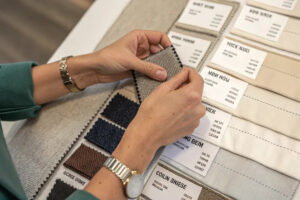
Why Does Fabric Matter So Much in Joggers?
Many consumers focus on fit and appearance when buying joggers. However, the fabric largely determines how the garment performs over time.
The fabric influences comfort, stretch, durability, moisture management, warmth, and overall wearability, making it one of the most important decisions in jogger development.
Even the best design can fail if the wrong fabric is selected.
What fabric affects
Fabric selection impacts:
- Softness
- Breathability
- Weight
- Durability
- Stretch
- Moisture management
- Shape retention
Why manufacturers prioritize fabric development
During product development, manufacturers evaluate fabric characteristics before finalizing patterns and construction methods.
Key evaluation criteria
| Criteria | Importance |
|---|---|
| Comfort | Very High |
| Durability | Very High |
| Cost | High |
| Performance | High |
| Appearance | High |
These factors determine whether the final product succeeds in the marketplace.
Is Cotton the Best Fabric for Joggers?
Cotton remains one of the most widely used fibers in apparel manufacturing.

Cotton is popular because it is soft, breathable, comfortable, and familiar to consumers, making it an excellent choice for casual joggers.
Many lifestyle brands rely heavily on cotton-based fabrics.
Advantages of cotton joggers
Cotton offers:
- Natural softness
- Excellent breathability
- Comfortable hand feel
- Easy dyeing
- Consumer familiarity
Limitations of cotton
Pure cotton also has drawbacks:
- Limited stretch
- Slower drying time
- Potential shrinkage
- Reduced moisture-wicking performance
Cotton performance comparison
| Property | Cotton |
|---|---|
| Softness | Excellent |
| Breathability | Excellent |
| Stretch | Moderate |
| Moisture Management | Moderate |
| Durability | Good |
For casual use, cotton remains a strong option.
When is 100% cotton a good choice?
100% cotton joggers are often ideal for:
- Lounge wear
- Home use
- Casual streetwear
- Consumers who prefer natural fibers
However, brands targeting active consumers often choose blended fabrics for better performance.
Why Are Cotton-Polyester Blends So Popular?
Most bestselling joggers are not made from 100% cotton.
Cotton-polyester blends combine the comfort of cotton with the durability and performance benefits of polyester, creating a balanced fabric suitable for a wide range of applications.
This combination has become a standard choice for many brands.
Benefits of cotton-poly blends
These fabrics provide:
- Improved durability
- Better wrinkle resistance
- Faster drying
- Enhanced shape retention
- Lower production costs
Common blend ratios
| Blend Ratio | Characteristics |
|---|---|
| 80/20 | Soft with added durability |
| 60/40 | Balanced performance |
| 50/50 | Strong durability and easy care |
Each ratio serves different product goals.
Why manufacturers prefer blends
Blended fabrics reduce common issues such as:
- Shrinkage
- Fabric distortion
- Excessive wrinkling
- Color fading
This improves long-term customer satisfaction.
Is French Terry the Best Fabric for Everyday Joggers?
French terry has become one of the most common jogger fabrics in the apparel industry.
French terry offers an excellent balance of softness, breathability, moisture absorption, and moderate warmth, making it one of the most versatile jogger fabrics available.
Many premium athleisure brands use French terry extensively.
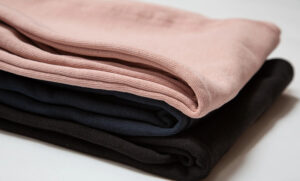
What is French terry?
French terry features:
- Smooth outer surface
- Looped inner construction
- Medium weight
- Comfortable texture
Advantages of French terry
- Lightweight feel
- Good breathability
- Year-round usability
- Comfortable drape
Best applications
| Use Case | Suitability |
|---|---|
| Travel | Excellent |
| Casual Wear | Excellent |
| Athleisure | Excellent |
| Winter Use | Moderate |
Its versatility makes it a favorite among apparel developers.
Compared with basic fleece, French terry often offers:
- Better breathability
- Cleaner appearance
- More premium hand feel
- Greater seasonal flexibility
This makes it a popular fabric for premium jogger collections.
Are Fleece Joggers Better for Cold Weather?
Warmth becomes a priority during colder seasons.
Fleece fabrics provide superior insulation and comfort, making them ideal for winter joggers and cold-weather applications.
Fleece remains a dominant material in seasonal collections.
Types of fleece
Common options include:
- Cotton fleece
- Polyester fleece
- Brushed fleece
- Performance fleece
Each offers different benefits.
Why consumers choose fleece
Fleece provides:
- Soft texture
- Warmth
- Comfort
- Lightweight insulation
Fleece performance
| Property | Fleece |
|---|---|
| Warmth | Excellent |
| Breathability | Moderate |
| Weight | Moderate |
| Comfort | Excellent |
Fleece is best suited for cooler climates and winter wear.
Potential limitations
Fleece may:
- Feel too warm in summer
- Dry more slowly than performance fabrics
- Add extra bulk
Brands should match fleece weight to the intended climate.
Are Polyester-Spandex Fabrics Best for Athletic Joggers?
Performance apparel requires different fabric characteristics.

Polyester-spandex blends are often considered the best option for athletic joggers because they offer stretch, moisture-wicking performance, durability, and shape retention.
Many sportswear brands rely on these fabrics.
Benefits of polyester-spandex
- Four-way stretch
- Moisture-wicking performance
- Fast drying
- Shape retention
- Abrasion resistance
Why athletes prefer performance fabrics
Athletic activities require:
- Mobility
- Sweat management
- Lightweight construction
- Durability
Performance fabrics address all of these needs.
Common athletic blend
| Composition | Application |
|---|---|
| 90% Polyester / 10% Spandex | Running Joggers |
| 88% Polyester / 12% Spandex | Training Joggers |
| 85% Polyester / 15% Spandex | Compression Styles |
These blends dominate activewear collections.
How Important Is Stretch in Jogger Fabrics?
Stretch significantly affects comfort and mobility.
Joggers with moderate stretch generally provide better comfort, movement, and fit retention than fabrics with little or no elasticity.
Stretch is especially important for athletic and lifestyle markets.
Benefits of stretch
Stretch fabrics improve:
- Mobility
- Comfort
- Recovery
- Shape retention
Common stretch fibers
Manufacturers often add:
- Spandex
- Elastane
- Lycra®
Stretch comparison
| Fabric | Stretch Level |
|---|---|
| Cotton | Low |
| French Terry | Moderate |
| Polyester Blend | Moderate |
| Spandex Blend | High |
The ideal amount depends on the intended use.
What Fabric Weight Works Best for Joggers?
Fabric weight influences comfort and seasonal performance.
Medium-weight fabrics between 250 GSM and 350 GSM generally provide the best balance for most jogger applications.
Weight selection affects how the garment feels and performs.
Typical jogger weights
| Fabric Weight | Application |
|---|---|
| 180–240 GSM | Lightweight summer joggers |
| 250–320 GSM | Everyday joggers |
| 320–400 GSM | Winter joggers |
| 400+ GSM | Heavyweight premium joggers |
Manufacturers select weight according to climate and consumer expectations.
Choosing the right GSM
When developing joggers, brands should consider:
- Seasonal demand
- Target market
- Retail price
- Intended use
Heavier fabrics often create a premium feel, but they also increase production costs. GSM fabric weight
What Fabric Do Premium Jogger Brands Use?
Premium brands often differentiate themselves through fabric quality.
High-end joggers typically use premium cotton blends, heavyweight French terry, brushed fleece, or technical performance fabrics that offer superior comfort and durability.
Material quality directly influences perceived value.
Premium fabric characteristics
- Long-staple cotton
- Higher yarn quality
- Better finishing processes
- Improved durability
Fabric quality indicators
Look for:
- Smooth surface
- Consistent color
- Strong recovery
- Soft hand feel
Higher-quality fabrics often justify higher retail prices.
| Fabric Type | Premium Usage |
|---|---|
| Heavyweight French Terry | Very High |
| Organic Cotton Blend | High |
| Brushed Cotton Fleece | High |
| Technical Performance Knit | High |
Premium joggers often combine quality materials with superior garment construction.
How Should Brands Choose the Best Jogger Fabric?
No single fabric works for every market.
The best jogger fabric depends on the target customer, intended use, climate, and price point. Successful product development begins by understanding how consumers will wear the garment.
Fabric selection should always align with product positioning.
Recommended fabrics by category
| Category | Recommended Fabric |
|---|---|
| Casual Joggers | Cotton-Poly Blend |
| Athleisure | French Terry |
| Winter Joggers | Brushed Fleece |
| Running Joggers | Polyester-Spandex |
| Premium Joggers | Heavyweight French Terry |
Questions brands should ask
- Who is the target consumer?
- What climate will the garment serve?
- Is comfort or performance the priority?
- What retail price is expected?
These answers guide material selection.
Manufacturing perspective
Successful jogger development requires balancing:
- Performance
- Cost
- Durability
- Consumer expectations
The fabric should support both product function and brand positioning.
Conclusion
The best fabric for joggers depends on how the garment will be used. Cotton remains a popular choice for comfort and breathability, while cotton-polyester blends provide a balanced combination of softness, durability, and easy maintenance.
French terry offers exceptional versatility for athleisure and lifestyle products, while fleece excels in colder environments where warmth is essential. For athletic and performance-focused joggers, polyester-spandex blends deliver the stretch, moisture management, and durability required for active use.
At Fusionknits, fabric selection should align with product goals, customer expectations, and market positioning. There is no universal fabric that suits every jogger category. Instead, successful jogger development requires matching the right fabric to the right application. Brands that understand these relationships can create products that deliver comfort, performance, durability, and long-term customer satisfaction.