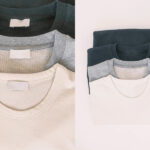
Layering pieces have become essential in modern wardrobes, allowing consumers to adapt to changing weather, create stylish outfits, and maximize versatility. In apparel manufacturing, understanding what qualifies as a layering piece is crucial for designing functional, fashionable, and high-quality garments.
A layering piece is any garment designed to be worn over or under other clothing to provide warmth, texture, or style. Common layering pieces include cardigans, hoodies, light jackets, vests, long-sleeve shirts, and thermal tops. The key characteristics are versatility, comfort, and the ability to combine seamlessly with multiple outfits.
At Fusionknits, identifying which garments function as layering pieces affects fabric selection, sizing, and construction methods to ensure comfort, mobility, and durability when worn in combination with other garments.
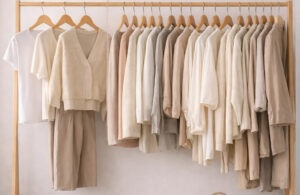
Why Are Layering Pieces Important?
Layering is a fundamental concept in both fashion and function.
Layering allows consumers to adjust clothing according to temperature, activity level, or style preferences. Properly designed layering pieces enhance comfort while contributing to outfit versatility.
Functional benefits of layering
Layering offers several advantages:
- Temperature regulation
- Flexibility for indoor and outdoor environments
- Protection from wind or cold
- Comfort during physical activity
- Ability to mix textures and colors for style
Manufacturing considerations
For brands, layering design impacts:
- Fabric weight and breathability
- Fit allowances for over or under garments
- Durability for repeated wear and washing
- Seam placement to avoid discomfort when layered
Why fit matters
A hoodie designed as a layering piece may feature slimmer sleeves and shoulders to fit comfortably under a jacket without creating excess bulk. Similarly, a cardigan intended for layering should provide enough room to accommodate a shirt underneath while maintaining a clean silhouette.
What Types of Garments Are Considered Layering Pieces?
Not all garments are suitable for layering. Certain design features make a piece ideal for this purpose.

Layering pieces typically share characteristics such as lightweight construction, moderate insulation, flexibility, and versatile styling.
Common layering pieces
| Garment Type | Layering Function |
|---|---|
| Cardigans | Adds warmth and style |
| Hoodies | Casual insulation layer |
| Light Jackets | Protection from wind and cool temperatures |
| Vests | Core warmth without sleeve bulk |
| Long-Sleeve Shirts | Lightweight intermediate layer |
| Thermal Tops | Heat retention under outer layers |
| Sweaters | Warmth and versatility |
| Flannel Shirts | Casual layering and texture |
Each serves a unique role depending on climate and outfit needs.
Why cardigans are ideal layering pieces
Cardigans remain one of the most versatile layering garments because they:
- Open easily at the front
- Work with casual and business outfits
- Come in multiple weights
- Layer comfortably under coats
Common cardigan fabrics
- Cotton blends
- Merino wool
- Cashmere blends
- Acrylic blends
- Cotton-cashmere blends
These materials balance warmth and flexibility.
What Fabrics Work Best for Layering Pieces?
Fabric selection determines how comfortable and functional a layering piece will be.
The best layering fabrics provide warmth without excessive weight, offer breathability, and maintain flexibility when worn with multiple garments.
Popular layering fabrics
| Fabric | Benefits |
|---|---|
| Cotton | Breathable and comfortable |
| Cotton-Poly Blend | Durable and easy-care |
| Merino Wool | Warm and moisture-wicking |
| Cashmere | Lightweight luxury warmth |
| French Terry | Versatile and breathable |
| Fleece | Excellent insulation |
| Polyester Blend | Performance and durability |
Different fabrics serve different purposes.
How fabric weight affects layering
Fabric weight influences:
- Warmth
- Bulk
- Drape
- Mobility
Lightweight fabrics
Ideal for:
- Spring layering
- Indoor environments
- Travel apparel
Medium-weight fabrics
Suitable for:
- Year-round use
- Transitional weather
- Everyday wear
Heavyweight fabrics
Best for:
- Winter layering
- Outdoor use
- Cold climates
Selecting the correct fabric weight is critical to layering performance.
How Do Layering Pieces Differ From Base Layers?
Consumers often confuse layering pieces with base layers.
Base layers are worn directly against the skin for moisture management and comfort, while layering pieces are worn over base layers to provide warmth, style, or additional functionality.
Understanding the distinction helps manufacturers create more effective garments.
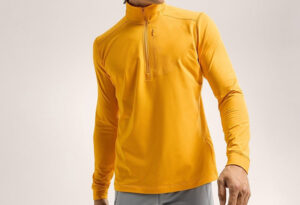
Layering system overview
| Layer Type | Purpose |
|---|---|
| Base Layer | Moisture control and skin comfort |
| Mid Layer | Insulation and warmth |
| Outer Layer | Weather protection |
Most layering pieces function as mid layers.
Examples
Base layer
- Performance T-shirt
- Thermal undershirt
- Compression top
Layering piece
- Hoodie
- Cardigan
- Sweater
- Vest
Outer layer
- Rain jacket
- Puffer jacket
- Wool coat
Each layer performs a specific function within the overall outfit.
Why Are Hoodies Popular Layering Pieces?
Hoodies are among the most commonly used layering garments worldwide.
Hoodies provide warmth, comfort, and casual styling while remaining easy to layer under jackets or over T-shirts.
Their versatility has made them essential in many apparel collections.
Hoodie advantages
- Comfortable fit
- Adjustable warmth
- Broad consumer appeal
- Strong fashion relevance
Common hoodie fabrics
| Fabric | Typical Application |
|---|---|
| Cotton Fleece | Casual hoodies |
| French Terry | Athleisure hoodies |
| Cotton-Poly Blend | Everyday wear |
| Performance Knit | Activewear hoodies |
Manufacturing considerations
When developing hoodies for layering:
- Sleeve volume should remain controlled
- Hood size should not interfere with outerwear
- Fabric should balance warmth and mobility
These factors improve wearability.
How Does Fit Affect a Layering Piece?
Fit is one of the most important characteristics of a successful layering garment.

Fit for layering garments should provide enough room for comfort without creating excessive bulk or restricting movement.
Poor fit can reduce functionality.
Common fit categories
| Fit Type | Layering Suitability |
|---|---|
| Slim Fit | Good under jackets |
| Regular Fit | Most versatile |
| Relaxed Fit | Ideal for casual layering |
| Oversized Fit | Fashion-focused layering |
Fit considerations
Manufacturers often evaluate:
- Shoulder width
- Sleeve circumference
- Chest ease
- Garment length
These measurements influence layering comfort.
Why oversized is not always better
Oversized garments may:
- Restrict outerwear compatibility
- Create excess bulk
- Reduce mobility
Balanced proportions generally perform better.
How Do Layering Pieces Change With the Seasons?
Seasonality strongly affects layering needs.
Consumers use different layering pieces throughout the year based on climate, temperature, and activity level.
This influences product development strategies.
Spring layering
Popular choices include:
- Lightweight cardigans
- Cotton shirts
- Thin hoodies
Summer layering
Common options include:
- Linen shirts
- Lightweight overshirts
- Thin cotton cardigans
Fall layering
Popular pieces include:
- Mid-weight hoodies
- Flannel shirts
- Merino sweaters
Winter layering
Typical choices include:
- Heavy knitwear
- Fleece garments
- Insulated vests
Seasonal fabric recommendations
| Season | Recommended Fabric |
|---|---|
| Spring | Cotton, French Terry |
| Summer | Linen, Lightweight Cotton |
| Fall | Merino Wool, Cotton Blends |
| Winter | Fleece, Cashmere, Heavy Wool |
Seasonal planning helps brands align inventory with consumer demand.
What Makes a Good Layering Piece for Apparel Brands?
Successful layering pieces combine functionality with versatility.
The best layering garments provide comfort, adaptability, durability, and timeless styling that works across multiple occasions and seasons.
These qualities increase consumer satisfaction and product longevity.
Key product development factors
Brands should consider:
- Fabric performance
- Ease of layering
- Consumer lifestyle needs
- Seasonal demand
- Price positioning
Characteristics of successful layering pieces
| Characteristic | Importance |
|---|---|
| Comfort | Very High |
| Versatility | Very High |
| Durability | High |
| Style Longevity | High |
| Easy Care | Moderate |
Products that score highly in these areas often achieve stronger commercial success.
Conclusion
A layering piece is any garment designed to be worn over or under other clothing to add warmth, style, comfort, or functionality. Common examples include cardigans, hoodies, sweaters, vests, long-sleeve shirts, and lightweight jackets. These garments play a critical role in helping consumers adapt to changing weather conditions while creating versatile and stylish outfits.
At Fusionknits, successful layering pieces require careful attention to fabric selection, garment weight, fit, and construction. Cotton blends, French terry, merino wool, fleece, and cashmere remain among the most effective materials because they provide the balance of warmth, breathability, and comfort required for layering. As consumer demand for versatile apparel continues to grow, layering pieces will remain an essential category in both fashion and functional clothing markets.