Many runners spend hours researching the perfect running shoes but often overlook the importance of running apparel. While footwear certainly affects performance, the material used in running pants can have a significant impact on comfort, mobility, temperature regulation, and endurance. A poorly designed fabric can trap sweat, cause chafing, and restrict movement, turning an enjoyable run into an uncomfortable experience.
The best material for running pants is typically a polyester-spandex blend because it combines moisture-wicking performance, breathability, durability, stretch, and quick-drying capabilities. Depending on the climate and running conditions, nylon-spandex blends, recycled performance fabrics, and merino wool can also be excellent choices. The ideal material balances comfort, flexibility, and performance while supporting the runner throughout the entire workout.
As running apparel continues to evolve, fabric innovation has become a major factor in product development. Understanding the strengths and weaknesses of different materials helps apparel brands, retailers, and consumers make better purchasing decisions.
Why Does Material Matter in Running Pants?
Many people assume that running pants simply need to be lightweight and comfortable. In reality, the fabric must perform multiple functions simultaneously.
The material matters because running generates heat, sweat, friction, and constant movement. A high-performance fabric helps regulate body temperature, manage moisture, reduce irritation, and maintain comfort throughout the run.
Running Creates Unique Performance Demands
Unlike casual clothing, running apparel must withstand:
- Constant leg movement
- Repeated stretching
- Heavy perspiration
- Outdoor weather conditions
- Frequent washing
A fabric that works well for everyday wear may perform poorly during intense physical activity.
Comfort Directly Impacts Performance
When running pants become uncomfortable, runners often experience:
- Chafing
- Excessive sweating
- Restricted mobility
- Skin irritation
- Overheating
These issues can negatively affect performance and overall enjoyment.
Modern Consumers Expect More From Running Apparel
Today's runners look for apparel that provides:
| Feature | Importance |
|---|---|
| Moisture Management | Very High |
| Stretch | Very High |
| Breathability | High |
| Durability | High |
| Lightweight Feel | High |
| Easy Care | High |
Meeting these expectations requires advanced fabric engineering and thoughtful garment construction.
Why Is Polyester the Most Popular Material for Running Pants?
Polyester has become the dominant fiber in performance sportswear. Most premium running pants contain a significant percentage of polyester due to its performance advantages.

Polyester is widely considered the best material for running pants because it offers excellent moisture-wicking performance, dries quickly, resists shrinking, and maintains its shape after repeated use and washing.
Superior Moisture Management
One of polyester's biggest strengths is its ability to move moisture away from the skin.
Benefits include:
- Faster sweat evaporation
- Reduced skin irritation
- Improved comfort
- Better temperature regulation
This feature becomes especially important during long-distance runs and high-intensity workouts.
Lightweight Performance
Polyester fabrics can be engineered to remain extremely lightweight while maintaining durability.
This helps:
- Reduce garment weight
- Improve airflow
- Enhance mobility
- Increase comfort during extended runs
Excellent Durability
Polyester resists:
- Abrasion
- Wrinkling
- Shrinking
- Stretching
As a result, running pants maintain their appearance and functionality over time.
Cost Efficiency
Compared with some premium fibers, polyester remains highly cost-effective while still delivering exceptional performance.
This makes it the preferred material for many sportswear manufacturers.
Is Nylon Better Than Polyester for Running Pants?
Nylon is another popular material in athletic apparel and is often found in premium running collections.
Nylon offers a softer feel and superior abrasion resistance, while polyester typically provides better moisture management and faster drying. The best choice depends on the intended use of the garment.
Advantages of Nylon
Many runners appreciate nylon because it provides:
Softer Hand Feel
Nylon often feels smoother against the skin than polyester.
This can improve overall comfort during long runs.
Exceptional Durability
Nylon is highly resistant to abrasion and wear.
This makes it particularly useful for:
- Trail running
- Outdoor adventures
- Rugged training conditions
Premium Appearance
Nylon fabrics frequently have a more refined finish, making them popular in premium activewear collections.
Nylon vs Polyester Comparison
| Feature | Polyester | Nylon |
|---|---|---|
| Moisture Wicking | Excellent | Very Good |
| Drying Speed | Excellent | Good |
| Softness | Good | Excellent |
| Durability | Very Good | Excellent |
| Cost Efficiency | Excellent | Moderate |
Both materials can produce excellent running pants when combined with proper design and construction.
Why Is Spandex Essential in Running Pants?
Most modern running pants contain spandex, also known as elastane.
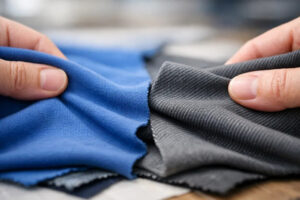
Spandex provides the stretch and recovery necessary for unrestricted movement. Without spandex, running pants would feel restrictive and lose their shape more quickly.
Improved Range of Motion
Running requires constant movement through multiple planes.
Spandex supports:
- Striding
- Sprinting
- Lunging
- Stretching
This flexibility improves comfort and athletic performance.
Better Shape Retention
Spandex helps garments maintain their original fit.
Benefits include:
- Reduced sagging
- Better recovery
- Longer garment lifespan
- Consistent performance
Typical Spandex Percentages
Different running garments use different levels of spandex.
| Garment Type | Spandex Content |
|---|---|
| Running Joggers | 5-10% |
| Running Pants | 8-15% |
| Running Tights | 15-25% |
| Compression Pants | 20-30% |
The ideal amount depends on the intended level of compression and mobility.
Are Natural Fibers Suitable for Running Pants?
Natural fibers offer comfort but often struggle to match the performance of synthetic materials during intense exercise.
Most natural fibers are not ideal for running pants because they absorb moisture and dry slowly. However, merino wool is a notable exception due to its moisture management and temperature-regulating properties.
Why Cotton Is Usually Avoided
Cotton absorbs sweat rather than transporting it away from the body.
This can lead to:
- Heavy garments
- Prolonged dampness
- Chafing
- Reduced comfort
For this reason, cotton is rarely used in high-performance running apparel.
The Benefits of Merino Wool
Merino wool offers several advantages.
Temperature Regulation
Merino wool helps maintain body temperature in both cool and mild conditions.
Moisture Management
The fiber absorbs moisture while still feeling relatively dry.
Natural Odor Resistance
Merino wool naturally resists odor buildup, making it suitable for extended wear.
Comparing Natural and Synthetic Materials
| Feature | Cotton | Merino Wool | Polyester |
|---|---|---|---|
| Moisture Management | Poor | Good | Excellent |
| Breathability | Good | Excellent | Very Good |
| Drying Speed | Slow | Moderate | Excellent |
| Running Suitability | Low | Good | Excellent |
For most running applications, synthetic materials remain the preferred choice.
How Does Fabric Weight Affect Running Performance?
Fabric weight plays a major role in determining how running pants perform under different conditions.

The ideal fabric weight depends on weather, running intensity, and seasonal requirements. Lightweight fabrics maximize breathability, while heavier fabrics provide warmth and weather protection.
Lightweight Fabrics
Lightweight materials offer:
- Superior airflow
- Reduced heat retention
- Faster drying
- Increased comfort
These fabrics work best for:
- Summer running
- Marathon training
- High-intensity workouts
Midweight Fabrics
Midweight fabrics provide a balance between comfort and versatility.
They are suitable for:
- Spring running
- Autumn training
- Everyday workouts
Thermal Fabrics
Cold-weather running requires additional insulation.
Thermal fabrics often feature:
- Brushed interiors
- Wind resistance
- Improved heat retention
These materials help maintain comfort in winter conditions.
What Fabric Technologies Improve Running Pants?
Modern sportswear incorporates advanced textile technologies that improve comfort and performance.
Fabric technologies enhance moisture management, flexibility, odor control, and durability, helping runners stay comfortable under a variety of conditions.
Moisture-Wicking Technology
Advanced moisture-wicking treatments help:
- Move sweat away from the skin
- Improve evaporation
- Maintain dryness
This technology is now standard in premium running apparel.
Four-Way Stretch Construction
Four-way stretch fabrics move in every direction.
Benefits include:
- Enhanced flexibility
- Improved fit
- Better comfort
Anti-Odor Treatments
Many modern fabrics feature antimicrobial technologies that help:
- Reduce odor
- Limit bacterial growth
- Extend freshness
Reflective Elements
Safety is an important consideration for outdoor runners.
Reflective details improve visibility during:
- Early morning runs
- Evening workouts
- Low-light conditions
What Should Brands Consider When Developing Running Pants?
Developing high-quality running pants requires more than selecting the right fabric.
Successful running pants combine advanced materials, ergonomic construction, durability, and modern design features to meet the expectations of today's runners.
Material Evaluation Criteria
Brands should evaluate:
- Moisture management
- Stretch recovery
- Breathability
- Abrasion resistance
- Fabric weight
Construction Features Matter
Important design elements include:
- Flatlock seams
- Gusset panels
- Ergonomic pattern design
- Secure waistbands
- Functional pockets
These features contribute to comfort and usability.
Consumer Expectations Continue to Evolve
Modern runners expect:
| Requirement | Importance |
|---|---|
| Moisture Wicking | Very High |
| Stretch | Very High |
| Comfort | Very High |
| Durability | High |
| Sustainability | Increasing |
| Style | High |
Brands that meet these expectations can better compete in the activewear market.
How Are Running Fabrics Evolving in the Future?
The sportswear industry continues to innovate rapidly as consumer demands increase.
Future running pants will feature lighter fabrics, greater sustainability, enhanced temperature regulation, and smart textile technologies designed to improve athletic performance.
Sustainable Performance Materials
Manufacturers are increasingly adopting:
- Recycled polyester
- Bio-based fibers
- Sustainable dyeing processes
These materials reduce environmental impact while maintaining performance.
Smart Textile Innovation
Emerging technologies include:
- Adaptive temperature control
- Enhanced moisture management
- Improved durability
- Lightweight protective fabrics
Multi-Purpose Performance Wear
Consumers increasingly prefer apparel that can transition between:
- Running
- Gym workouts
- Travel
- Everyday wear
This trend is driving the development of more versatile fabric solutions.
Conclusion
The best material for running pants is generally a polyester-spandex blend because it offers an ideal combination of moisture-wicking performance, stretch, breathability, durability, and quick-drying comfort. Nylon-spandex blends provide a softer feel and excellent abrasion resistance, while merino wool serves as a valuable option for cold-weather running. The optimal material ultimately depends on climate conditions, activity level, and performance requirements.
Modern running pants must do much more than provide basic coverage. They need to regulate temperature, manage sweat, support unrestricted movement, and maintain their performance after repeated use and washing. Factors such as fabric weight, stretch content, garment construction, and finishing technologies all contribute to the overall running experience.
At Fusionknits, we specialize in manufacturing high-performance running apparel using advanced polyester, nylon, and technical fabric blends. Through innovative material sourcing, strict quality control systems, and extensive sportswear manufacturing expertise, Fusionknits helps apparel brands develop running pants that deliver comfort, durability, and performance for today's active consumers.