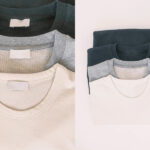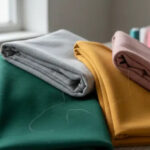
Selecting the right fabric is essential for producing high-quality joggers. Cotton is often viewed as the default choice due to its natural softness and breathability. However, comfort alone does not determine product performance. Manufacturing experience demonstrates that factors such as durability, shrinkage, shape retention, and customization potential are equally critical.
100% cotton joggers provide softness and breathability but are prone to shrinkage, reduced shape stability, and slower drying after repeated washes. Cotton blends generally offer a better balance of comfort, durability, and long-term performance.
At Fusionknits,we produces joggers for brands across North America, Europe, and Australia. Data from production tests indicate that fabric selection must consider consumer expectations, functional performance, and market requirements rather than relying solely on fiber composition.
Why Are 100% Cotton Joggers Popular?
Cotton remains one of the most trusted textile fibers in apparel. Its natural properties make it ideal for casual wear and comfort-focused garments.
100% cotton joggers are favored for their softness, breathability, and skin-friendly characteristics, making them popular in lounge, casual, and lifestyle applications.
Advantages of cotton
- Natural fiber and hypoallergenic
- Soft hand feel
- High breathability
- Comfortable for sensitive skin
Perception versus reality
| Perception | Manufacturing Reality |
|---|---|
| Natural fiber equals premium quality | Softness is high, but durability may be lower than blends |
| Cotton lasts longer | Pure cotton can shrink and lose shape if not treated |
| Comfort is sufficient | Comfort is excellent, but long-term performance is limited |
While cotton provides high comfort, manufacturing experience shows that durability, shrinkage, and recovery are critical for long-term product quality.
What Are the Disadvantages of 100% Cotton Joggers?
Production tests highlight several limitations of pure cotton joggers.

Primary disadvantages include shrinkage, shape distortion after washing, and longer drying times compared to blended fabrics.
Shrinkage
- Pre-shrunk cotton: 3–5% after the first wash
- Non pre-shrunk cotton: 5–10%
- Excessive shrinkage affects fit and brand reputation
Shape retention
- Knees may stretch out over time
- Waistbands may lose elasticity
- Cuffs can lose recovery
Moisture absorption
- Cotton absorbs sweat effectively
- Retains moisture longer, increasing drying time
- Less suitable for high-intensity activity
These issues require careful pre-treatment and wash testing during production.
Are Cotton Blends Better for Modern Joggers?
Blended fabrics are increasingly preferred in activewear and casual markets.
Cotton blends combine the comfort of cotton with durability, stretch, and improved shape retention from synthetic fibers.
Common fabric blends
| Blend Composition | Key Benefit |
|---|---|
| 95% Cotton / 5% Spandex | Stretch and recovery for movement |
| 80% Cotton / 20% Polyester | Reduced shrinkage and enhanced durability |
| 60% Cotton / 40% Polyester | Cost-effective and easy-care |
| Cotton-Modal Blends | Softness with improved resilience |
Performance advantages
- Maintains fit over multiple washes
- Reduced shrinkage and deformation
- Enhanced durability for heavier use
- Improved suitability for activewear
Blends allow manufacturers to balance comfort, longevity, and ease of maintenance.
How Does Fabric Weight Affect Cotton Joggers?
Fabric weight directly affects comfort, structure, and durability.
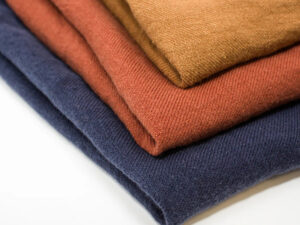
Lightweight cotton joggers provide breathability, while heavier fabrics enhance structure and longevity.
GSM ranges
| GSM | Typical Application |
|---|---|
| 220–260 | Lightweight, summer joggers |
| 280–320 | Standard everyday wear |
| 340–400 | Premium heavyweight joggers |
- Lightweight cotton: breathable, soft, but less durable
- Heavyweight cotton: structured, premium feel, greater longevity, but reduced breathability
Are 100% Cotton Joggers Suitable for Activewear?
Cotton is comfortable for casual or lounge activities but has limitations for performance-oriented use.
Pure cotton absorbs moisture but retains it, making garments heavier during exercise and slowing drying. Blended fabrics with spandex or polyester improve moisture management, stretch, and recovery.
Comparison: Cotton vs Cotton Blends
| Feature | 100% Cotton | Cotton Blend |
|---|---|---|
| Breathability | Excellent | Good |
| Moisture management | Moderate | Better |
| Stretch | Low | High |
| Recovery | Low | Good |
| Activewear suitability | Limited | Enhanced |
Blends are recommended for gym, running, or performance-focused joggers.
How Does Fabric Composition Affect Customization and Branding?
Fabric composition affects decoration methods and logo longevity in B2B production.

Cotton supports screen printing and embroidery well, but blends maintain logo integrity longer after repeated washes.
Popular methods
- Screen printing: vibrant, cost-effective
- Embroidery: premium look, compatible with cotton and blends
- Heat transfer: performance depends on fiber composition
Blended fabrics offer better dimensional stability, minimizing distortion and color loss during customization.
How Do Different Markets Influence Jogger Fabric Choices?
Consumer preferences differ by region, impacting fabric selection strategies.
The ideal fabric depends on the target market, climate, and consumer expectations.
| Market | Preference | Recommended Fabric |
|---|---|---|
| North America | Comfort, durability | 80/20 Cotton-Polyester |
| Western Europe | Sustainability, longevity | Organic cotton blends |
| Australia | Lightweight, breathable | Medium-weight cotton blends |
Fabric choice should align with market needs to ensure brand success.
What Are the Key Factors in Selecting the Right Jogger Fabric?
Manufacturing experience shows that multiple factors must be considered together.
Fabric choice should balance intended use, cost, climate, and brand positioning.
Decision framework
- Intended use: casual, lounge, activewear, or streetwear
- Price target: budget-friendly or premium
- Market location: climate considerations
- Brand positioning: luxury feel or performance-focused
| Priority | Recommended Fabric |
|---|---|
| Maximum comfort | 100% Cotton |
| Durability | Cotton-Polyester Blend |
| Active performance | Cotton-Spandex Blend |
| Premium feel | Heavyweight Cotton Blend |
| Cost efficiency | Cotton-Poly Blend |
How Is Quality Ensured Before Production?
Pre-production testing ensures consistent product quality.
Testing includes shrinkage, stretch, wash performance, and colorfastness.
Testing checklist
- Wash tests: evaluate shrinkage and dimensional stability
- Stretch and recovery: assess cuffs, waistbands, knees
- Colorfastness: check wash and light exposure
- Customization test: logos, embroidery, and prints
Rigorous testing reduces return rates and ensures high-quality products for B2B clients.
What Are Emerging Trends in Jogger Fabrics?
Trends emphasize comfort, performance, and sustainability.
- Organic cotton blends for eco-conscious brands
- Recycled polyester for performance wear
- Modal and bamboo blends for softness and breathability
Future-ready joggers combine natural fiber comfort with durability, stretch, and sustainable materials.
Conclusion
100% cotton joggers remain a popular choice for casual and lounge wear due to natural softness, breathability, and comfort. However, manufacturing experience demonstrates that comfort alone is not sufficient for high-quality performance. Factors such as shrinkage, shape retention, moisture management, durability, and customization compatibility are equally important for long-term product value.
Cotton blends, incorporating polyester, spandex, or modal, offer a more balanced solution. They maintain softness while improving stretch, recovery, and durability, reducing returns and enhancing customer satisfaction. Fabric weight, blend ratio, intended use, and market-specific preferences should be considered collectively to optimize performance and fit.
At Fusionknits,we prioritizes this comprehensive approach to ensure that every jogger produced aligns with client requirements, market demand, and long-term quality standards. By conducting thorough pre-production testing and evaluating multiple factors before bulk production, manufacturers can deliver joggers that meet comfort, functionality, durability, and brand expectations.