Puff print hoodies have become one of the most popular products in modern streetwear. Many brands love the raised, three-dimensional effect because it adds texture, depth, and a premium appearance to otherwise simple designs. However, many buyers are unfamiliar with how puff printing actually works and what production steps are involved.
Puff print hoodies are made using a specialized screen-printing process that combines plastisol ink with a puff additive. After the ink is printed onto the fabric and exposed to heat during curing, the additive expands and creates the raised, textured effect that gives puff prints their distinctive appearance.
As puff printing continues to grow in popularity across streetwear, fashion, and promotional apparel, understanding the manufacturing process can help brands make better design and sourcing decisions.
What Is Puff Printing?
Many people recognize puff print visually but do not understand the technology behind it.
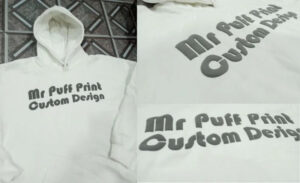
Puff printing is a screen-printing technique that creates a raised, three-dimensional design by using special ink additives that expand when exposed to heat. Unlike traditional flat prints, puff prints add texture and depth to graphics, logos, and lettering.
The final effect is both visual and tactile.
How Puff Printing Differs From Standard Screen Printing
| Feature | Standard Print | Puff Print |
|---|---|---|
| Surface Texture | Flat | Raised |
| Visual Depth | Minimal | High |
| Tactile Feel | Smooth | Textured |
| Ink Expansion | No | Yes |
| Streetwear Appeal | Good | Excellent |
This unique texture is one reason puff printing has become a favorite among premium streetwear brands.
Why Puff Prints Are Popular
Consumers are attracted to puff prints because they offer:
- Premium appearance
- Distinctive texture
- Modern streetwear aesthetic
- Strong visual impact
- Higher perceived value
These qualities help brands differentiate their products in crowded markets.
What Materials Are Best for Puff Print Hoodies?
The success of a puff print design depends heavily on the hoodie fabric.

Cotton and cotton-rich fabrics are generally the best materials for puff printing because they provide a stable surface, excellent ink adhesion, and consistent expansion during the curing process.
Fabric selection directly affects print quality.
Recommended Fabrics
Common options include:
- 100% Cotton
- Cotton-polyester blends
- Heavyweight fleece
- French terry
- Brushed cotton fleece
These fabrics typically produce the most reliable results.
Why Fabric Surface Matters
A smooth surface helps achieve:
- Sharper print edges
- Better ink consistency
- More uniform expansion
- Improved durability
Rough or highly textured fabrics may reduce print definition.
Common Hoodie Weights for Puff Printing
| Fabric Weight | Suitability |
|---|---|
| 280 GSM | Good |
| 320 GSM | Excellent |
| 400 GSM | Excellent |
| 500 GSM | Premium Streetwear |
Heavyweight hoodies often complement puff prints because both create a premium feel.
How Does the Puff Printing Process Work?
Many buyers assume puff printing is applied like embroidery or heat transfer.
Puff printing is actually a specialized screen-printing process that relies on heat-activated ink expansion rather than additional materials being attached to the garment.
The transformation occurs during curing.
Step 1: Artwork Preparation
The process begins with artwork development.
Designs must account for:
- Expansion effects
- Line thickness
- Fine detail limitations
- Print positioning
Not every graphic works well with puff printing.
Step 2: Screen Preparation
A screen is created for each color.
This stage involves:
- Artwork separation
- Screen coating
- Exposure
- Washing and drying
Proper screen preparation affects final print quality.
Step 3: Ink Mixing
The printer combines:
- Plastisol ink
- Puff additive
The ratio influences how much the design expands during curing.
Step 4: Printing
The ink mixture is pushed through the screen onto the hoodie.
At this stage, the design still appears relatively flat.
The raised effect has not yet developed.
Step 5: Heat Curing
The garment passes through a curing oven.
Heat activates the puff additive, causing the ink to expand and rise above the fabric surface.
This step creates the signature three-dimensional effect.
What Types of Designs Work Best With Puff Printing?
Not every graphic benefits from a puff effect.
Bold designs, large lettering, simple logos, and thick graphic elements typically produce the best puff printing results because they allow the expanded ink to create clear and consistent elevation.
Design selection plays a major role in print quality.
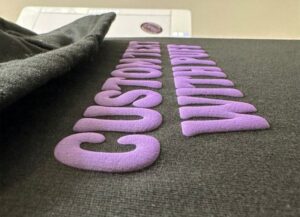
Ideal Puff Print Applications
Popular choices include:
- Brand logos
- Large text graphics
- Streetwear artwork
- Simple illustrations
- Monograms
These designs maximize the visual impact of puff printing.
Designs That Can Be Challenging
Certain artwork may produce weaker results:
- Tiny details
- Thin lines
- Complex gradients
- Photographic images
These elements often lose clarity when the ink expands.
Design Guidelines
For best results:
- Use thicker strokes
- Avoid excessive detail
- Create strong contrast
- Leave adequate spacing
These adjustments improve print consistency.
Why Is Puff Printing Popular in Streetwear?
Puff printing has become one of the defining decoration techniques in modern streetwear.
Streetwear brands favor puff printing because it creates a premium, textured appearance that aligns with current fashion trends and helps products stand out visually.
The technique complements contemporary aesthetics.
Increased Perceived Value
Consumers often associate puff prints with:
- Premium quality
- Fashion-forward design
- Exclusive products
This perception supports higher retail pricing.
Enhanced Brand Visibility
Raised graphics attract attention because they:
- Create shadows
- Reflect light differently
- Add dimensionality
These effects make logos and artwork more noticeable.
Alignment With Current Trends
Popular streetwear trends include:
- Heavyweight garments
- Oversized silhouettes
- Minimalist branding
- Textured embellishments
Puff printing fits naturally within these categories.
How Durable Are Puff Print Hoodies?
Durability is one of the most common concerns among apparel buyers.

A properly produced puff print hoodie can be highly durable. Print longevity depends on ink quality, curing accuracy, fabric compatibility, and garment care practices.
Quality control is essential.
Factors Affecting Durability
Key variables include:
- Ink formulation
- Curing temperature
- Fabric composition
- Wash conditions
Poor control of any factor can reduce lifespan.
Common Durability Issues
Potential problems include:
- Cracking
- Peeling
- Uneven puffing
- Color fading
These issues are often linked to production errors.
Best Practices for Longevity
High-quality production requires:
- Proper curing temperatures
- Consistent ink thickness
- Fabric compatibility testing
- Quality inspections
These practices improve long-term performance.
What Are the Advantages and Disadvantages of Puff Printing?
Like any decoration method, puff printing has strengths and limitations.
Puff printing offers unique visual appeal and strong fashion value, but it may not be suitable for every design or production scenario.
Understanding both sides helps brands make informed decisions.
Advantages
Benefits include:
- Premium appearance
- Distinctive texture
- High consumer appeal
- Strong brand differentiation
- Excellent streetwear compatibility
These factors contribute to growing demand.
Disadvantages
Limitations may include:
- Less suitable for detailed artwork
- Higher production complexity
- More quality control requirements
- Potential cracking if poorly produced
Proper supplier selection helps minimize these challenges.
Comparison With Other Decoration Methods
| Method | Texture | Durability | Fashion Appeal |
|---|---|---|---|
| Puff Print | High | High | Very High |
| Screen Print | Low | High | Moderate |
| Embroidery | High | Very High | High |
| DTG Print | Low | Moderate | Moderate |
| Silicone Print | High | High | High |
Each method serves different product goals.
How Should Brands Source Puff Print Hoodies?
Successful puff print projects require more than good artwork.
Brands should evaluate fabric quality, print expertise, production capabilities, and quality control systems when selecting a puff print manufacturer.
Choosing the right supplier reduces production risks.
Request Print Samples
Before production, review:
- Physical samples
- Previous projects
- Wash-tested examples
This helps verify quality standards.
Evaluate Print Consistency
Inspect:
- Puff height
- Edge definition
- Color consistency
- Surface smoothness
Consistency often reveals supplier capability.
Confirm Production Experience
Important questions include:
- How long has the supplier produced puff prints?
- What ink systems are used?
- What quality controls exist?
Experience often leads to more reliable results.
Test Before Bulk Production
Brands should always approve:
- Pre-production samples
- Size run samples
- Wash-tested garments
Testing minimizes surprises during mass production.
Conclusion
Puff print hoodies are created through a specialized screen-printing process that combines plastisol ink with heat-activated puff additives. When properly cured, the ink expands and creates the raised, textured effect that has become highly popular in modern streetwear and fashion collections. This unique decoration technique adds depth, dimension, and visual impact, helping brands create products that stand out in competitive apparel markets.
The success of a puff print hoodie depends on multiple factors, including fabric selection, artwork design, ink quality, curing accuracy, and overall production expertise. Bold graphics, heavyweight hoodies, and cotton-rich fabrics typically produce the best results. While puff printing requires greater technical precision than standard screen printing, the enhanced appearance and premium feel often justify the additional complexity.
At Fusionknits, we have seen increasing demand for puff print hoodies from streetwear brands, private-label apparel companies, and fashion startups. The most successful projects combine high-quality fabrics, carefully optimized artwork, and experienced production processes to create garments that deliver both strong visual appeal and long-term durability. For brands looking to elevate their hoodie collections, puff printing remains one of the most effective decoration techniques available today.