Sweatpants are one of the most popular apparel items worldwide, worn for casual wear, sports, and loungewear. Buyers, retailers, and consumers often ask, “Where are sweatpants made?” Understanding the countries and regions that produce sweatpants helps explain pricing, quality variations, and production capabilities. Global manufacturing decisions affect material choice, labor costs, and compliance with safety and labor standards.
Sweatpants are primarily made in countries such as China, Bangladesh, Vietnam, India, and Pakistan. These countries are major global textile producers with well-established manufacturing infrastructure, skilled labor forces, and cost-efficient production processes. Some sweatpants are also produced in Turkey, Portugal, and Mexico, particularly for premium or European-focused markets.
At Fusionknits, The choice of production country influences not only price but also quality, turnaround time, and supply chain reliability.
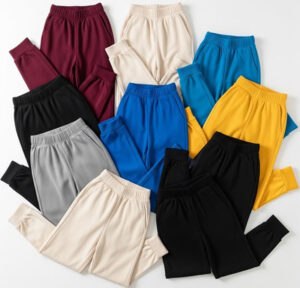
Why Are Sweatpants Made in Certain Countries?
Sweatpants are produced globally, but specific countries dominate the market.
Countries are selected based on labor cost efficiency, textile expertise, factory infrastructure, and access to high-quality fabrics. These factors allow brands to produce sweatpants at competitive prices while maintaining consistent quality.
Different regions serve different market needs.
Key Factors Influencing Country Selection
- Cost of labor and production
- Access to raw materials like cotton, polyester, and blends
- Experienced sewing and finishing workforce
- Established export logistics
- Regulatory compliance and quality standards
Brands weigh these factors to optimize production efficiency.
China: The Leading Sweatpants Manufacturer
China is the largest producer of sweatpants in the world.

China dominates global production due to its established textile and garment industry, skilled workforce, and large-scale manufacturing facilities capable of producing high volumes at competitive costs.
Major advantages include:
- Advanced knitting and sewing technology
- Access to high-quality fabrics
- Efficient logistics for global shipping
- Established infrastructure for large-scale production
China manufactures a wide range of sweatpants, from budget options to premium lines for international brands.
Typical Production in China
- Cotton and cotton-polyester blends
- Technical fabrics for athleisure
- Fleece-lined sweatpants
- Customizable designs for private-label brands
China’s diverse production capabilities make it attractive for brands targeting North American, European, and Asian markets.
Bangladesh: Cost-Effective Production
Bangladesh is another major hub for sweatpants manufacturing.
Bangladesh offers lower labor costs and highly experienced garment workers, making it ideal for mass-market and volume-driven sweatpants production.
Key advantages include:
- Competitive labor rates
- Large textile export infrastructure
- Skilled seamstresses for knitwear
- Strong government support for apparel exports
Bangladesh’s production primarily targets budget and mid-market international brands.
Common Bangladesh Sweatpants Production
- Cotton-polyester blends
- Standard fleece sweatpants
- Basic elastic waistbands
- Mass-produced loungewear sets
While lower cost, quality control remains a priority for reputable suppliers.
Vietnam: A Growing Apparel Hub
Vietnam has become increasingly important in sweatpants production.
Vietnam offers a balance of skilled labor, competitive cost, and modern production facilities, making it suitable for both mid-range and premium sweatpants.
Advantages include:
- Skilled technical workforce
- Modern knitting and finishing equipment
- Increasing adoption of eco-friendly practices
- Proximity to major shipping ports for faster distribution
Vietnam produces both high-volume basic sweatpants and specialized fashion-oriented lines.
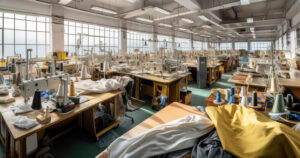
Types of Sweatpants Made in Vietnam
- Performance athleisure sweatpants
- Premium cotton or blended fabrics
- Lightweight and breathable fabrics for warm climates
- Fashion-forward silhouettes for retail brands
Vietnam is particularly popular with brands seeking higher quality without fully shifting to high-cost countries.
India and Pakistan: Cotton and Traditional Expertise
India and Pakistan have a long history of textile production.
These countries produce a significant volume of sweatpants due to their access to cotton, skilled labor in knitwear, and established supply chains.
Advantages include:
- Abundant cotton supply
- Expertise in cotton yarn knitting
- Cost-efficient production for mid-range markets
- Large-scale textile infrastructure
They are often used for cotton-rich sweatpants and fleece garments.
Typical Production Features
- Cotton and cotton-polyester blends
- Fleece sweatpants for casual and school uniforms
- Export-oriented production for Europe and North America
- Traditional weaving techniques combined with modern finishing
India and Pakistan are increasingly adopting quality control measures to compete with other Asian hubs.
Turkey, Portugal, and Mexico: Premium and Regional Production
Some sweatpants are produced closer to European and North American markets.

Turkey, Portugal, and Mexico provide higher labor costs but quicker turnaround and premium manufacturing standards for fashion-conscious and European brands.
Advantages include:
- Higher-quality control
- Shorter lead times for regional markets
- Premium materials and finishing
- Compliance with European and US labor standards
These countries are preferred for high-end fashion sweatpants and niche markets.
Examples of Regional Sweatpants Production
- Turkey: Lightweight cotton blends, athleisure-focused
- Portugal: Premium organic cotton and fleece
- Mexico: Quick turnaround for North American brands
Proximity to end markets allows brands to reduce shipping time and costs.
How Materials Influence Country Selection
The type of sweatpants material affects where they are produced.
Cotton-rich sweatpants may be sourced from countries with local cotton supplies, such as India, Pakistan, or China. Polyester and blended fabrics are more common in Bangladesh, Vietnam, and China due to industrial-scale synthetic fiber production and processing capabilities.
Matching material availability with regional expertise improves production efficiency.
Common Material Considerations
| Material | Typical Country |
|---|---|
| Cotton | India, Pakistan, China |
| Cotton-Polyester Blends | China, Bangladesh, Vietnam |
| Polyester | China, Vietnam |
| Nylon or Spandex Blends | China, Vietnam |
| Eco-friendly/Recycled Fabrics | China, Vietnam, Turkey |
Suppliers often select countries based on both material and labor advantages.
What Factors Affect Sweatpants Quality by Country?
Not all sweatpants are equal, even from the same country.
Quality depends on factors including factory expertise, yarn quality, fabric construction, stitching precision, and finishing processes rather than country alone.
Reputable suppliers maintain consistent standards through audits and certifications.
Key Quality Indicators
- Tight knit or woven construction
- Accurate sizing and fit
- Durable elastic waistbands and cuffs
- Colorfastness and shrink resistance
- Anti-pilling finishes or fabric treatments
Investing in high-quality suppliers reduces post-production issues.
Country vs Supplier Reliability
While China, Bangladesh, and Vietnam dominate production, the supplier’s expertise often matters more than the country itself. Factory management, quality control, and experience with specific fabric types are critical for premium sweatpants.
How Global Trade Impacts Sweatpants Manufacturing
Trade agreements, tariffs, and shipping costs influence country selection.
Brands often diversify production across multiple countries to reduce risk, minimize tariffs, and maintain supply during disruptions.
This approach also allows for faster response to market demand.
Benefits of Multi-Country Production
- Risk mitigation for political or trade disruptions
- Flexible production volumes
- Improved shipping efficiency to target markets
- Access to specialized materials or expertise in different regions
Diversification is a common strategy for large brands sourcing sweatpants.
Conclusion
Sweatpants are primarily manufactured in China, Bangladesh, Vietnam, India, and Pakistan due to their combination of skilled labor, cost efficiency, and access to high-quality fabrics. Some premium or regional markets also rely on Turkey, Portugal, and Mexico for faster delivery and higher-quality production.
The choice of production country affects price, lead time, material availability, and quality, but factory expertise, yarn quality, construction, and finishing processes are equally important. Global sourcing strategies often combine multiple countries to optimize costs, mitigate risks, and maintain consistent quality.
At Fusionknits, we have found that successful sweatpants programs rely on careful supplier selection, material matching, and rigorous quality control to ensure durable, comfortable, and high-performing garments suitable for international markets.