Choosing the right fabric for a polo shirt is one of the most important decisions apparel brands make during product development. Many buyers compare cotton and polyester polos because both materials dominate the global polo shirt market. However, selecting the wrong fabric can lead to customer dissatisfaction, poor performance, or unnecessary production costs.
Neither cotton nor polyester polos are universally better. Cotton polos generally offer superior comfort, breathability, and a premium feel, while polyester polos provide better durability, moisture management, and wrinkle resistance. The best choice depends on the intended use, target customer, and brand positioning.
As polo shirts continue to be popular across corporate wear, sportswear, uniforms, and fashion collections, understanding the strengths and weaknesses of each material can help buyers make more informed sourcing decisions.
What Is the Difference Between Cotton and Polyester Polo Shirts?
Many consumers see cotton and polyester polos as similar products, but the fibers behave very differently.
Cotton is a natural fiber known for softness and breathability, while polyester is a synthetic fiber valued for durability, moisture-wicking properties, and easy maintenance. These differences affect comfort, appearance, and long-term performance.
The fiber choice influences nearly every aspect of the garment.
Basic Fiber Comparison
| Feature | Cotton Polo | Polyester Polo |
|---|---|---|
| Fiber Type | Natural | Synthetic |
| Softness | Excellent | Moderate |
| Breathability | Excellent | Good |
| Durability | Good | Excellent |
| Moisture-Wicking | Moderate | Excellent |
| Wrinkle Resistance | Moderate | Excellent |
| Drying Speed | Slow | Fast |
| Premium Feel | High | Moderate |
Understanding these characteristics helps buyers align products with customer expectations.
Why Fabric Choice Matters
The material affects:
- Comfort
- Durability
- Appearance
- Maintenance requirements
- Retail pricing
- Consumer perception
Choosing the right fabric starts with understanding the intended application.
Why Do Many Premium Brands Prefer Cotton Polos?
Cotton has been the traditional choice for polo shirts for decades.

Many premium brands prefer cotton polos because they offer natural softness, superior breathability, and a refined appearance that consumers often associate with quality.
Cotton remains highly popular in fashion and lifestyle markets.
Superior Comfort
One reason consumers choose cotton is comfort.
Cotton provides:
- Soft hand feel
- Natural breathability
- Reduced skin irritation
- Comfortable all-day wear
These qualities help create a premium wearing experience.
Better Natural Appearance
Cotton often delivers:
- Richer texture
- More natural drape
- Softer surface finish
Many consumers perceive these characteristics as signs of higher quality.
Common Cotton Polo Fabrics
Popular options include:
Piqué Cotton
Known for:
- Classic polo appearance
- Breathability
- Durability
Combed Cotton
Offers:
- Greater softness
- Reduced pilling
- Enhanced appearance
Long-Staple Cotton
Provides:
- Stronger yarns
- Improved durability
- Premium positioning
These materials are frequently used in high-end polo collections.
Why Are Polyester Polos Popular for Sports and Uniforms?
Polyester dominates many performance-oriented markets.
Polyester polos are widely used in sportswear, uniforms, and corporate apparel because they offer excellent durability, moisture management, and easy care.
These advantages make polyester practical for demanding environments.
Moisture-Wicking Performance
Polyester excels at moving moisture away from the body.
Benefits include:
- Faster sweat evaporation
- Improved comfort during activity
- Reduced fabric saturation
These features are especially valuable in hot climates.
Enhanced Durability
Polyester generally provides:
- Better abrasion resistance
- Stronger color retention
- Reduced shrinkage
- Longer garment lifespan
This helps reduce replacement costs.
Easy Maintenance
Consumers often appreciate that polyester polos:
- Dry quickly
- Resist wrinkles
- Require minimal ironing
- Maintain shape after washing
These characteristics make polyester attractive for uniforms and workwear.
Which Material Is More Comfortable?
Comfort remains one of the most important purchasing factors.
Cotton polos are generally considered more comfortable because they feel softer against the skin and allow greater airflow. However, polyester may feel more comfortable during intense physical activity because of its moisture-wicking performance.
The answer depends on how the garment will be used.

Everyday Comfort
For casual wear, cotton often performs better because it offers:
- Natural softness
- Better breathability
- Reduced static buildup
These factors support all-day comfort.
Active Use Comfort
During sports or outdoor activities, polyester may provide:
- Better sweat management
- Faster drying
- Lighter feel when wet
This can improve performance in demanding conditions.
Comfort Comparison
| Comfort Factor | Cotton | Polyester |
|---|---|---|
| Softness | Excellent | Good |
| Breathability | Excellent | Good |
| Moisture Control | Moderate | Excellent |
| Skin Feel | Excellent | Moderate |
| Hot Weather Performance | Good | Excellent |
Different consumers prioritize different comfort characteristics.
Which Fabric Lasts Longer?
Durability is a major concern for apparel brands and uniform buyers.
Polyester generally lasts longer than cotton because it resists shrinking, stretching, fading, and abrasion more effectively.
However, durability depends on more than fiber content.
Why Polyester Is Durable
Polyester fibers offer:
- High tensile strength
- Excellent shape retention
- Resistance to repeated washing
These qualities support long-term use.
Cotton's Durability Advantages
High-quality cotton can still provide:
- Strong wear resistance
- Long product lifespan
- Excellent fabric integrity
Especially when premium yarns are used.
Factors Beyond Fiber Content
Durability is also influenced by:
- Yarn quality
- Fabric weight
- Knitting structure
- Garment construction
A well-made cotton polo may outperform a poorly made polyester polo.
Which Polo Fabric Looks More Premium?
Appearance often influences buying decisions.

Cotton polos are generally viewed as more premium because of their natural texture, softness, and traditional association with luxury and lifestyle brands.
Consumer perception plays an important role.
Why Cotton Feels Premium
Consumers often associate cotton with:
- Luxury
- Authenticity
- Comfort
- Quality craftsmanship
These perceptions support higher retail prices.
Polyester's Modern Improvements
Modern polyester fabrics now offer:
- Softer hand feel
- Better drape
- Enhanced appearance
Advanced manufacturing has significantly improved polyester aesthetics.
Premium Market Preferences
Many premium brands still favor:
- 100% cotton
- Mercerized cotton
- Long-staple cotton
Because of their strong reputation among consumers.
Are Cotton-Polyester Blends Better Than Both?
Many of today's bestselling polo shirts use blended fabrics.
Cotton-polyester blends combine the comfort of cotton with the durability and easy care of polyester, creating a balanced solution for many apparel brands.
Blends continue to grow in popularity.
Advantages of Blended Polos
Benefits include:
- Improved durability
- Better wrinkle resistance
- Reduced shrinkage
- Enhanced comfort
These characteristics create versatile garments.
Common Blend Ratios
| Blend Ratio | Key Benefit |
|---|---|
| 65% Cotton / 35% Polyester | Balanced comfort and durability |
| 60% Cotton / 40% Polyester | Strong durability |
| 50% Cotton / 50% Polyester | Cost efficiency |
| 80% Cotton / 20% Polyester | Premium comfort with added stability |
Each ratio serves a different purpose.
Why Many Brands Choose Blends
Blended fabrics help brands:
- Lower production costs
- Improve consistency
- Enhance durability
- Increase customer satisfaction
These advantages explain their widespread adoption.
How Should Buyers Choose the Right Polo Fabric?
The best fabric depends on the intended customer and use case.
Buyers should evaluate comfort requirements, performance expectations, climate conditions, budget constraints, and brand positioning before selecting cotton or polyester polos.
There is no universal solution.
Questions to Consider
Before development begins, ask:
- Who is the target customer?
- Is the garment for fashion or performance?
- What climate will it be worn in?
- What is the target retail price?
- How important is durability?
These answers guide fabric selection.
Recommended Fabric by Market
| Market Segment | Recommended Fabric |
|---|---|
| Luxury Fashion | 100% Cotton |
| Lifestyle Apparel | Premium Cotton |
| Corporate Uniforms | Cotton-Polyester Blend |
| Sportswear | Polyester |
| Promotional Apparel | Polyester Blend |
Aligning fabric selection with customer needs improves product success.
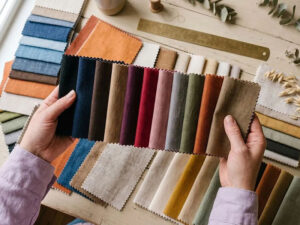
Sample Testing Is Essential
Before bulk production, buyers should always evaluate:
- Fabric swatches
- Wash-tested samples
- Fit samples
- Wear-tested garments
Physical testing remains one of the most reliable quality assessment methods.
Conclusion
The debate between cotton and polyester polos does not have a single winner because each material excels in different areas. Cotton polos are generally preferred for their softness, breathability, natural appearance, and premium feel, making them ideal for fashion, lifestyle, and luxury apparel markets. Polyester polos, on the other hand, provide superior durability, moisture-wicking performance, wrinkle resistance, and easy maintenance, making them highly effective for sportswear, uniforms, and performance-focused applications.
For many brands, the most practical solution is often a cotton-polyester blend that combines the strengths of both fibers. These blended fabrics can deliver comfort, durability, stability, and cost efficiency in a single garment. Ultimately, the best polo fabric depends on the target customer, intended use, climate, and pricing strategy.
At Fusionknits, we have found that successful polo programs begin with a clear understanding of customer expectations rather than a preference for one fiber over another. By carefully evaluating fabric performance, construction quality, and market positioning, brands can develop polo shirts that deliver long-term value, strong customer satisfaction, and consistent sales performance across different markets.