Many apparel brands want to develop premium hoodies, but choosing the right material is often more complicated than it appears. A hoodie may look great on a product page, but if the fabric pills, shrinks, or loses shape after a few washes, customers quickly lose confidence in the brand.
The highest quality hoodies are typically made from premium cotton, cotton-polyester blends, French terry, heavyweight fleece, organic cotton, or luxury fibers such as cashmere blends. However, fabric composition alone does not determine quality. Yarn quality, fabric construction, GSM, and finishing processes are equally important.
As consumer expectations continue to rise, premium hoodies have evolved from simple casual garments into essential products for streetwear, athleisure, and luxury fashion brands. Understanding what separates a high-quality hoodie from an average one can help brands make better sourcing decisions and create products that stand out in competitive markets.

What Materials Are Most Commonly Used for Hoodies?
Many buyers assume all hoodies use the same type of fabric. In reality, hoodie materials vary significantly depending on the target market and price point.
The most common hoodie materials include cotton, polyester, cotton-polyester blends, French terry, fleece, organic cotton, and specialty fibers such as bamboo or cashmere blends. Each material offers different benefits in terms of comfort, durability, warmth, and cost.
The ideal material depends on the intended customer and product positioning.
Common Hoodie Materials
| Material | Softness | Durability | Warmth | Cost |
|---|---|---|---|---|
| Cotton | High | High | Moderate | Moderate |
| Polyester | Moderate | Excellent | Moderate | Low |
| Cotton-Polyester Blend | High | Excellent | Moderate | Moderate |
| French Terry | High | High | Moderate | Moderate |
| Fleece | Very High | High | Excellent | Moderate |
| Organic Cotton | High | High | Moderate | Premium |
| Cashmere Blend | Excellent | Moderate | Excellent | Luxury |
Each material creates a different wearing experience and influences the final retail price.
Why Material Choice Matters
Fabric selection affects:
- Comfort
- Appearance
- Warmth
- Durability
- Shrinkage
- Pilling resistance
- Production cost
A premium hoodie starts with premium fabric selection.
Is Cotton the Best Material for High-Quality Hoodies?
Cotton remains one of the most popular fibers in the hoodie industry.

High-quality cotton is often considered one of the best hoodie materials because it provides softness, breathability, durability, and natural comfort. Premium cotton yarns also improve appearance and reduce pilling.
Many luxury and streetwear brands continue to rely heavily on cotton-based fabrics.
Benefits of Cotton Hoodies
Cotton offers:
- Natural softness
- Excellent breathability
- Skin-friendly comfort
- Good moisture absorption
- Long-term durability
These characteristics make cotton suitable for year-round wear.
Premium Cotton Types
Not all cotton performs equally.
Combed Cotton
Advantages include:
- Smoother surface
- Reduced pilling
- Improved softness
Ring-Spun Cotton
Provides:
- Greater strength
- Softer texture
- Better durability
Long-Staple Cotton
Offers:
- Premium appearance
- Stronger yarns
- Enhanced comfort
These cotton varieties are commonly used in premium hoodie collections.
Limitations of Cotton
Cotton may:
- Shrink without proper treatment
- Take longer to dry
- Cost more than synthetic alternatives
Many brands address these issues through blending and fabric finishing.
Why Are Cotton-Polyester Blends So Popular?
Many of today's bestselling hoodies use blended fabrics.
Cotton-polyester blends combine the softness of cotton with the durability and stability of polyester, creating a balanced fabric that performs well in both casual and active lifestyles.
This combination remains one of the most practical choices for many apparel brands.
Advantages of Cotton-Polyester Blends
Benefits include:
- Reduced shrinkage
- Improved durability
- Better wrinkle resistance
- Faster drying
- Lower production costs
These qualities help extend garment lifespan.
Common Blend Ratios
| Blend Ratio | Characteristics |
|---|---|
| 80/20 Cotton-Polyester | Soft with improved durability |
| 70/30 Cotton-Polyester | Balanced performance |
| 60/40 Cotton-Polyester | Strong durability |
| 50/50 Cotton-Polyester | Cost-efficient and stable |
Different ratios serve different market segments.
Why Brands Choose Blends
Blended fabrics help brands:
- Reduce returns
- Improve consistency
- Increase durability
- Maintain competitive pricing
This explains their widespread popularity.
What Makes French Terry a Premium Hoodie Fabric?
French terry has become increasingly popular in modern hoodie collections.
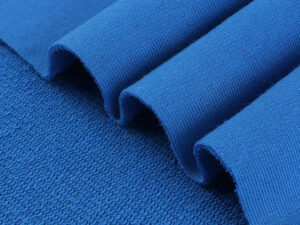
French terry is considered a premium hoodie fabric because it offers softness, breathability, durability, and versatility without the bulk of traditional fleece.
Many contemporary lifestyle brands use French terry as a core fabric.
What Is French Terry?
French terry features:
- Smooth exterior surface
- Looped interior texture
- Moderate weight
- Excellent breathability
This construction provides comfort without excessive insulation.
Advantages of French Terry
Consumers appreciate:
- Lightweight comfort
- Moisture management
- Year-round usability
- Modern appearance
These benefits support strong retail demand.
Typical Applications
French terry is commonly used for:
- Premium hoodies
- Joggers
- Lounge sets
- Athleisure collections
Its versatility makes it attractive to brands targeting multiple markets.
Why Is Heavyweight Fleece Used in Premium Hoodies?
Heavyweight hoodies have become increasingly important in streetwear and luxury fashion.
Heavyweight fleece is often used in premium hoodies because it creates superior warmth, structure, durability, and perceived value.
Consumers frequently associate heavier fabrics with higher quality.
What Is Heavyweight Fleece?
Heavyweight fleece generally ranges from:
- 320 GSM to 500 GSM
- Brushed interior construction
- Dense fabric structure
These characteristics contribute to a premium feel.
Benefits of Heavyweight Hoodies
Advantages include:
- Improved durability
- Better shape retention
- Greater warmth
- Luxury appearance
These factors help justify higher retail prices.
Popular GSM Ranges
| GSM Range | Typical Positioning |
|---|---|
| 280-320 GSM | Standard premium |
| 320-400 GSM | Premium streetwear |
| 400-500 GSM | Luxury heavyweight |
| 500+ GSM | Ultra-premium niche products |
Fabric weight often influences consumer perception significantly.
Does Organic Cotton Create Better Hoodies?
Sustainability has become a major consideration for apparel brands.

Organic cotton can contribute to higher-quality hoodies when combined with strong manufacturing standards. It offers the same comfort benefits as conventional cotton while supporting environmentally responsible production.
Consumer interest in sustainable products continues to grow.
Benefits of Organic Cotton
Organic cotton offers:
- Natural softness
- Reduced chemical exposure
- Sustainability appeal
- Premium brand positioning
These benefits often support higher retail pricing.
Why Brands Use Organic Cotton
Brands may choose organic cotton to:
- Meet sustainability goals
- Strengthen brand image
- Appeal to environmentally conscious consumers
This trend continues to expand globally.
Important Consideration
Organic certification alone does not guarantee superior quality.
Yarn quality, knitting consistency, and finishing processes remain equally important.
How Does GSM Affect Hoodie Quality?
Fabric weight plays a major role in product perception.
GSM, or grams per square meter, measures fabric weight. Higher GSM fabrics generally feel more substantial, durable, and premium, although GSM alone does not determine quality.
Many buyers focus heavily on GSM during sourcing.
Common Hoodie GSM Categories
| GSM | Category |
|---|---|
| 220-280 GSM | Lightweight hoodie |
| 280-320 GSM | Standard hoodie |
| 320-400 GSM | Premium hoodie |
| 400-500 GSM | Luxury hoodie |
Different markets prefer different weights.
Why Higher GSM Feels Premium
Heavier fabrics often provide:
- Better drape
- Increased durability
- Stronger structure
- Enhanced comfort
These characteristics improve customer satisfaction.
GSM Is Not Everything
A poorly made 400 GSM hoodie may perform worse than a well-constructed 320 GSM hoodie.
Quality depends on multiple factors working together.
What Other Factors Determine Hoodie Quality?
Material is only one component of a premium hoodie.
Yarn quality, knitting construction, finishing treatments, and garment assembly often have a greater impact on long-term performance than fiber content alone.
Many sourcing decisions should extend beyond fabric composition.
Yarn Quality
Premium yarns provide:
- Reduced pilling
- Improved softness
- Better consistency
This creates a more refined garment.
Fabric Construction
Important considerations include:
- Knit density
- Surface smoothness
- Dimensional stability
These factors affect durability and appearance.
Finishing Treatments
Common premium finishes include:
- Enzyme wash
- Silicone wash
- Anti-pilling treatment
- Garment wash
These treatments improve softness and performance.
Construction Details
Buyers should inspect:
- Rib quality
- Stitch density
- Hood construction
- Seam strength
Small details often reveal overall manufacturing quality.
How Should Buyers Choose Hoodie Materials?
The best material depends on the target customer and product positioning.
Buyers should evaluate fabric composition, GSM, durability requirements, comfort expectations, and pricing objectives before selecting hoodie materials.
Different markets require different approaches.
Recommendations by Market Segment
| Market | Recommended Material |
|---|---|
| Budget | Cotton-polyester blend |
| Mid-Market | Combed cotton |
| Premium | French terry cotton |
| Streetwear | Heavyweight fleece |
| Luxury | Organic cotton or cashmere blend |
Matching material selection to customer expectations improves product success.
Always Request Samples
Before bulk production, buyers should review:
- Fabric swatches
- Fit samples
- Wash-tested samples
- Production prototypes
Physical evaluation remains essential.
Conclusion
The highest quality hoodies are typically made from premium cotton, cotton-polyester blends, French terry, heavyweight fleece, organic cotton, or luxury fiber blends. While each material offers unique advantages, the best choice depends on the intended customer, climate, price point, and brand positioning. Cotton remains one of the most trusted options because of its softness and comfort, while French terry and heavyweight fleece continue to dominate premium and streetwear markets due to their durability and substantial feel.
However, fabric composition alone does not define a premium hoodie. Yarn quality, GSM, knitting construction, finishing treatments, and garment workmanship all contribute to the final product. A well-made hoodie should maintain its shape, resist pilling, provide lasting comfort, and perform consistently after repeated washing. Brands that focus on the complete manufacturing process rather than just fiber content are more likely to create hoodies that deliver long-term value and strengthen customer loyalty.
At Fusionknits, we have found that the most successful hoodie programs combine high-quality materials with precise construction and thoughtful product development. This approach helps brands create premium garments that meet modern consumer expectations while remaining competitive in today's global apparel market.