Many buyers assume that a woven jacket is automatically waterproof because it feels more structured and durable than knit garments. This misunderstanding often leads to sourcing mistakes, customer complaints, and products that fail to meet performance expectations. Understanding how woven fabric jackets are constructed is essential when evaluating their ability to resist water.
A woven jacket is not automatically waterproof. While woven fabrics can provide some resistance to wind and light moisture, true waterproof performance depends on fabric coatings, membranes, seam sealing, and specialized finishing treatments rather than the woven construction itself.
At Fusionknits, we often receive inquiries from brands asking whether a woven jacket can be marketed as waterproof. The answer depends less on the fabric category and more on the technologies applied during production.
What Is a Woven Jacket?
Many people hear the term "woven jacket" but are not entirely sure what it means.
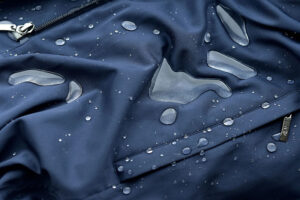
A woven jacket is a jacket made from woven fabrics, where yarns are interlaced at right angles to create a stable and durable structure. Unlike knit fabrics, woven fabrics generally have less stretch and provide better shape retention.
Most outerwear categories rely heavily on woven construction.
Common Types of Woven Fabrics Used in Jackets
| Fabric Type | Typical Application |
|---|---|
| Polyester Woven | Windbreakers |
| Nylon Woven | Outdoor Jackets |
| Taslan Nylon | Performance Outerwear |
| Oxford Fabric | Workwear Jackets |
| Ripstop Nylon | Hiking Jackets |
| Cotton Twill | Casual Jackets |
Why Manufacturers Choose Woven Fabrics
Woven fabrics offer several advantages:
- Better durability
- Improved abrasion resistance
- Enhanced wind protection
- Stable garment structure
- Easier waterproof treatment applications
These characteristics make woven fabrics ideal for outerwear production.
Does Woven Fabric Naturally Repel Water?
One of the biggest misconceptions is that woven fabrics are naturally waterproof.

Most woven fabrics are not waterproof by default. Some tightly woven fabrics can resist light rain or splashes, but water will eventually penetrate the fabric without additional treatments or coatings.
Fabric construction alone cannot guarantee waterproof performance.
How Water Penetrates Woven Fabrics
Even tightly woven fabrics contain microscopic gaps between yarns. Water can enter through:
- Yarn intersections
- Needle holes
- Fabric pores
- Seams and stitching lines
Without protective treatments, prolonged exposure to rain will eventually soak the garment.
Water Resistance vs Waterproofing
| Property | Water Resistant | Waterproof |
|---|---|---|
| Light Rain Protection | Yes | Yes |
| Heavy Rain Protection | Limited | Excellent |
| Water Penetration | Possible | Prevented |
| Seam Sealing Required | No | Usually |
| Membrane Required | No | Often |
Understanding this distinction is critical when developing jacket collections.
What Makes a Woven Jacket Waterproof?
The waterproof performance of a jacket depends on more than fabric type.
A woven jacket becomes waterproof through specialized coatings, waterproof membranes, seam sealing, and water-repellent treatments that prevent moisture from entering the garment.
These technologies transform ordinary woven fabrics into weather-resistant outerwear.
Waterproof Coatings
Manufacturers often apply coatings such as:
- Polyurethane (PU)
- Polyvinyl Chloride (PVC)
- Acrylic coatings
These coatings create a barrier against water penetration.
Waterproof Membranes
Premium jackets may use membranes including:
- TPU membranes
- PU membranes
- ePTFE membranes
These layers improve waterproofing while maintaining breathability.
Durable Water Repellent (DWR)
DWR treatments help water bead on the surface. Benefits include:
- Improved water shedding
- Reduced fabric saturation
- Enhanced weather resistance
However, DWR alone does not make a jacket fully waterproof.
How Does Seam Sealing Affect Waterproof Performance?
Many buyers focus on fabric specifications but overlook seam construction.
Even if a woven fabric is waterproof, water can still enter through needle holes created during sewing. Seam sealing is essential for achieving true waterproof performance.
This is one of the most important steps in waterproof jacket production.
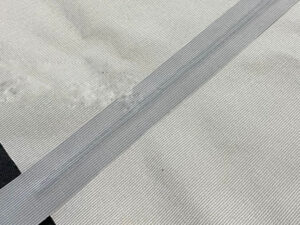
Why Seams Leak
During construction:
- Needles puncture the fabric
- Thousands of small holes are created
- Water can penetrate these openings
Without protection, waterproof fabrics can still leak.
Types of Seam Construction
Non-Sealed Seams
- Lowest cost
- Suitable for fashion jackets
- Not waterproof
Critically Sealed Seams
- Protect key exposure areas
- Moderate waterproof performance
Fully Sealed Seams
- Maximum waterproof protection
- Common in premium outdoor jackets
This construction significantly improves weather resistance.
What Waterproof Ratings Should Buyers Understand?
Many technical jackets include waterproof ratings.
Waterproof ratings measure how much water pressure a fabric can withstand before leaking. Higher ratings generally indicate better waterproof performance.
These ratings help compare different products.
Common Waterproof Ratings
| Waterproof Rating | Performance Level |
|---|---|
| 1,500 mm | Light rain protection |
| 5,000 mm | Moderate rain protection |
| 10,000 mm | Heavy rain protection |
| 15,000 mm | Outdoor performance |
| 20,000 mm+ | Extreme weather protection |
The appropriate rating depends on the intended use.
Why Ratings Matter
Waterproof ratings help buyers evaluate:
- Product positioning
- Consumer expectations
- Weather suitability
- Pricing strategy
They provide measurable performance standards.
Are All Nylon and Polyester Woven Jackets Waterproof?
Nylon and polyester dominate the outerwear industry.

Not all nylon or polyester woven jackets are waterproof. The base fiber provides durability and structure, but waterproof performance depends on additional treatments and construction methods.
Fiber type alone does not determine weather protection.
Polyester Jackets
Advantages include:
- Cost efficiency
- UV resistance
- Color retention
However, untreated polyester is not waterproof.
Nylon Jackets
Benefits include:
- Lightweight durability
- Strong abrasion resistance
- Excellent strength-to-weight ratio
Yet nylon also requires waterproof treatments.
Common Misunderstanding
Many consumers assume:
"Woven nylon = waterproof."
In reality:
"Woven nylon + membrane + seam sealing = waterproof."
The difference is significant.
How Do Waterproof Woven Jackets Compare to Softshell Jackets?
Brands often compare waterproof woven jackets with softshell products.
Waterproof woven jackets provide better rain protection, while softshell jackets prioritize flexibility, comfort, and breathability.
Each serves a different purpose.
Waterproof Woven Jackets
Strengths include:
- Superior rain protection
- Better wind resistance
- Greater durability
Common applications:
- Hiking
- Outdoor workwear
- Rain jackets
Softshell Jackets
Advantages include:
- Stretch comfort
- Improved mobility
- Better breathability
Common applications:
- Daily wear
- Light outdoor activities
- Active lifestyles
Selecting the right category depends on customer needs.
What Fabrics Are Most Common in Waterproof Woven Jackets?
Material selection strongly influences jacket performance.
Most waterproof woven jackets use nylon or polyester fabrics because they combine durability, lightweight performance, and compatibility with waterproof coatings and membranes.
Certain constructions are particularly popular.
Common Waterproof Outerwear Fabrics
Ripstop Nylon
Benefits:
- Lightweight
- Tear resistant
- Durable
Taslan Nylon
Advantages:
- Cotton-like texture
- Strong durability
- Excellent weather resistance
Polyester Oxford
Provides:
- Cost efficiency
- Durability
- Waterproof compatibility
These materials dominate many outdoor apparel categories.
How Should Buyers Evaluate a Waterproof Woven Jacket?
Successful sourcing requires evaluating more than appearance.
Buyers should examine fabric construction, waterproof ratings, seam sealing, coatings, breathability, and overall garment workmanship before selecting a waterproof woven jacket.
A systematic approach reduces sourcing risks.
Key Questions to Ask Suppliers
Before placing orders, ask:
- What is the waterproof rating?
- Is seam sealing included?
- Which membrane is used?
- Has the garment been tested?
- What breathability rating does it achieve?
These questions reveal product capabilities.
Quality Inspection Checklist
Evaluate:
- Seam tape quality
- Fabric consistency
- Zipper waterproofing
- Coating durability
- Construction precision
These factors influence long-term performance.
Testing Before Bulk Production
Always review:
- Wear samples
- Rain testing results
- Wash durability reports
- Waterproof certification data
Testing helps verify supplier claims.
Conclusion
A woven jacket is not automatically waterproof simply because it uses woven fabric construction. While woven fabrics provide excellent durability, wind resistance, and structural stability, true waterproof performance requires additional technologies such as waterproof coatings, membranes, durable water-repellent finishes, and properly sealed seams. Without these elements, even high-quality woven fabrics will eventually allow water to penetrate during prolonged exposure to rain.
The most effective waterproof woven jackets combine durable outer fabrics like nylon or polyester with advanced waterproof systems that balance weather protection and breathability. Buyers should look beyond basic fabric descriptions and evaluate waterproof ratings, seam construction, membrane technology, and testing standards when sourcing outerwear. Understanding these factors helps brands develop products that meet customer expectations and perform reliably in real-world conditions.
At Fusionknits, we have found that successful waterproof jacket programs focus on the complete garment system rather than the woven fabric alone. The combination of fabric selection, waterproof technology, construction quality, and rigorous testing ultimately determines whether a woven jacket can truly deliver dependable protection in challenging weather conditions.