Mesh shorts have become a staple in activewear, sports uniforms, and casual fashion due to their lightweight feel, breathability, and performance-oriented design. Many buyers and consumers are curious about the materials used to manufacture mesh shorts because the fabric directly affects comfort, durability, and performance during physical activity.
Mesh shorts are primarily made from polyester, nylon, or polyester-spandex blends. These fabrics offer strength, stretch, moisture-wicking properties, and durability. Some premium mesh shorts may also incorporate recycled polyester, technical yarns, or lightweight cotton blends to enhance breathability, comfort, and sustainability.
The combination of fabric type, weave, and finishing treatment determines how well mesh shorts perform under sweat, friction, and repeated use.
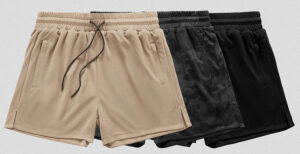
Why Material Selection Matters for Mesh Shorts
Many consumers focus on design or color, but the fabric is equally important.
The material determines the shorts' breathability, stretch, moisture management, durability, and overall comfort. High-performance mesh fabrics prevent overheating, maintain shape, and reduce chafing during athletic activity.
Even subtle differences in fabric can significantly impact user experience.
Fabric Affects Breathability
Mesh fabrics rely on open knit structures to allow airflow. Material choice influences:
- How air circulates
- Moisture evaporation
-
Cooling during exercise
polyesterand nylon tend to optimize airflow while maintaining shape.
Fabric Affects Durability
Materials determine:
- Resistance to pilling
- Strength under repeated motion
- Tear resistance
- Longevity of elastic bands
These factors are critical for sportswear and team uniforms.
Fabric Affects Comfort
Comfort factors include:
- Soft hand feel
- Stretch and flexibility
- Moisture-wicking efficiency
- Lightweight performance
High-quality synthetic fabrics maximize comfort without sacrificing durability.
Why Polyester Is Common in Mesh Shorts
Polyester dominates the sportswear industry for mesh shorts.

Polyester fibers are strong, lightweight, moisture-wicking, and abrasion-resistant. These properties make polyester ideal for mesh shorts designed for running, basketball, football, and general workouts.
Polyester maintains its shape and color over repeated use and washes.
Advantages of Polyester Mesh
- Fast-drying
- Durable and tear-resistant
- Retains color after multiple washes
- Supports performance-focused designs
Typical Polyester Mesh Constructions
| Construction Type | Feature |
|---|---|
| Open Mesh Knit | Maximum airflow, lightweight |
| Honeycomb Mesh | Structural stability, moderate airflow |
| Interlock Mesh | Slight stretch, durable, smoother surface |
| Ribbed Mesh Panels | Stretch along specific areas for mobility |
Polyester can be blended with other fibers for enhanced properties.
Why Nylon Is Used in Some Mesh Shorts
Nylon is another common synthetic fiber for performance mesh shorts.
Nylon offers high tensile strength, smooth surface, and lightweight durability, which is ideal for premium and high-movement sportswear.
It often appears in combination with polyester or spandex.
Advantages of Nylon
- Soft hand feel
- Abrasion-resistant
- High elasticity
- Quick-drying performance
Nylon adds a premium texture and improves the longevity of mesh shorts.
Applications
- Soccer shorts
- Running shorts
- Athletic team uniforms
-
Lightweight training apparel
nylon is particularly favored in high-performance or luxury activewear.
Why Spandex or Elastane Is Added
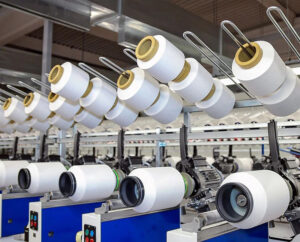
Mesh shorts often include small amounts of spandex or elastane.
Spandex improves stretch, recovery, and shape retention, ensuring the shorts maintain fit during dynamic movement. Even 3-5% spandex can significantly improve comfort and performance.
This is crucial for high-mobility sports.
Benefits of Spandex Blends
- Four-way stretch
- Reduced bagging or sagging
- Enhanced freedom of movement
- Improved elastic waistband performance
Many brands blend polyester or nylon with spandex to create performance-ready mesh shorts.
Common Ratios
| Blend | Purpose |
|---|---|
| 95% Polyester / 5% Spandex | Everyday comfort, lightweight |
| 90% Nylon / 10% Spandex | Maximum stretch and recovery |
| 80% Polyester / 20% Spandex | Compression or training shorts |
The blend depends on intended sport and user preference.
How Cotton Is Used in Mesh Shorts
While less common in high-performance athletic shorts, cotton is occasionally incorporated for comfort.
Cotton blends soften the fabric and provide a familiar hand feel, making mesh shorts comfortable for casual wear and lifestyle purposes. However, pure cotton is less moisture-wicking and dries slower than synthetic fibers.
Cotton is often blended with polyester to balance comfort and performance.
Benefits of Cotton Blends
- Natural softness
- Comfortable against skin
- Suitable for casual loungewear
- Can be blended with synthetic fibers to reduce shrinkage and maintain shape
Limitations
- Slower drying
- Less suitable for intense workouts
- May retain odor
Cotton blends are ideal for leisure or hybrid athleisure shorts.
What Are Technical or Performance Mesh Fabrics?
Some mesh shorts incorporate technical fibers and specialized constructions.

Technical fabrics, including microfibers and engineered polyester yarns, improve wicking, stretch, and durability while maintaining a lightweight structure. These fabrics are often used in running, basketball, or training shorts.
They are designed for frequent use and repeated laundering.
Technical Fabric Features
- Moisture-wicking and quick-drying
- Lightweight but tear-resistant
- Smooth interior to reduce friction
- Retains color and shape after multiple washes
These materials are ideal for high-intensity activity.
Examples of Performance Mesh
- Micro polyester mesh
- Micro-nylon mesh
- Polyester-spandex compression mesh
- Open-knit technical mesh
These fabrics combine comfort, breathability, and durability.
How Fabric Weight Impacts Mesh Shorts
Fabric weight plays a role in comfort, drape, and durability.
Lighter fabrics increase breathability and cooling, while heavier mesh fabrics provide more structure and durability. Optimal GSM (grams per square meter) depends on use-case and style.
Typical Fabric Weights
| GSM Range | Application |
|---|---|
| 120-180 GSM | Lightweight running shorts |
| 180-220 GSM | Standard athletic shorts |
| 220-300 GSM | Fleece-lined or heavyweight mesh shorts |
| 300+ GSM | Premium or winter athletic mesh |
Selecting the right weight ensures comfort without compromising performance.
Why Weight Matters
- Lightweight fabrics: maximum airflow and comfort
- Medium fabrics: balance between durability and flexibility
- Heavyweight fabrics: structured appearance, long-term wear
Fabric weight interacts with fiber choice to create the final user experience.
How Colorfastness and Finishing Affect Mesh Shorts
Mesh shorts often face heavy wear and frequent washing.
Fabric finishing treatments, including anti-pilling, colorfast dyes, and wrinkle resistance, enhance durability and appearance. High-quality mesh shorts maintain their shape, color, and texture over time.
Finishing is especially important for polyester and nylon fabrics.
Common Finishing Techniques
- Pre-shrinking and heat-setting
- Anti-pilling treatments
- Colorfast dyeing
- Softening or brushing for comfort
These steps increase product longevity and consumer satisfaction.
Why Buyers Should Inspect Samples
Testing for:
- Shrinkage after washing
- Colorfastness under UV exposure
- Resistance to pilling or snagging
- Stretch recovery performance
These inspections ensure the fabric meets performance expectations.
Sustainability Considerations
Many brands now incorporate sustainable fibers in mesh shorts.
recycled polyester or eco-friendly nylon is increasingly used to reduce environmental impact while maintaining performance characteristics.
Consumers are becoming more conscious of sustainability in activewear.
Examples of Sustainable Mesh Fabrics
- Recycled PET polyester mesh
- Nylon made from recycled fishing nets or pre-consumer waste
- Blends with organic cotton or viscose
Sustainability practices influence brand perception and market appeal.
Benefits
- Reduced environmental footprint
- Positive marketing appeal
- Maintains technical performance
- Aligns with consumer expectations
Sustainability has become a key factor in modern fabric selection.
How Should Buyers Choose Mesh Shorts Materials?
Selecting the right material requires balancing performance, comfort, durability, and cost.
Buyers should consider fiber type, blend ratios, GSM, finishing, stretch, and sustainability when sourcing mesh shorts. The final decision should align with the target customer, activity level, and market positioning.
A strategic approach ensures product success.
Recommended Fabrics by Market
| Market Segment | Recommended Material |
|---|---|
| Budget | 100% polyester open mesh |
| Lifestyle | Cotton-polyester blend mesh |
| Premium | Modal-polyester-spandex blend |
| Performance | Polyester-spandex technical mesh |
| Eco-conscious | Recycled polyester or nylon |
Blending these factors ensures satisfaction across markets.
Always Evaluate Samples
Before bulk production:
- Test fabric for stretch and recovery
- Review breathability and moisture-wicking
- Check colorfastness and finishing
- Assess durability under repeated wash
Testing prevents costly quality issues.
Conclusion
Mesh shorts are primarily made from polyester, nylon, and polyester-spandex blends, with occasional use of cotton, modal, and recycled fibers. Polyester dominates due to its lightweight, durable, moisture-wicking properties, while nylon adds abrasion resistance and stretch. Cotton blends provide comfort for casual or loungewear applications. Spandex is often incorporated to improve flexibility and shape retention, enhancing comfort and performance.
The quality of mesh shorts depends not only on fiber content but also on fabric construction, GSM, finishing treatments, and yarn quality. Lightweight meshes increase breathability, while heavier meshes enhance durability. Anti-pilling, pre-shrinking, and colorfast finishing improve longevity. Sustainable fabrics are becoming increasingly important in modern production.
At Fusionknits, we have found that the most successful mesh shorts combine high-quality synthetic fibers with thoughtful construction and finishing processes. This approach ensures garments provide optimal comfort, durability, and performance, whether for casual loungewear, athletic training, or professional sports applications.