Gymshark has grown from a small startup in the United Kingdom into one of the most recognizable activewear brands in the world. As the company continues to expand globally, many buyers, entrepreneurs, and apparel brands become curious about its manufacturing model. One common question is whether Gymshark owns and operates its own factories or relies on external suppliers.
No, Gymshark does not own its own manufacturing factories. Like many leading apparel brands, Gymshark works with a network of independent apparel manufacturing partners located primarily in countries such as China, Vietnam, Bangladesh, Turkey, and other established apparel-producing regions. The company focuses on product development, branding, marketing, and supply chain management while outsourcing production to specialized garment factories.
This approach is common throughout the apparel industry and allows brands to remain flexible while accessing world-class manufacturing expertise.
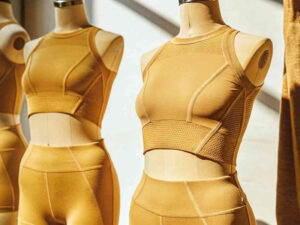
Why Doesn't Gymshark Own Its Own Factory?
Many consumers assume that large apparel brands manufacture products in facilities they own. In reality, this is relatively uncommon.
Gymshark follows an asset-light business model that allows the company to focus on brand growth, product innovation, and customer experience rather than managing large-scale manufacturing operations.
Owning factories requires significant investment and operational complexity.
The Challenges of Factory Ownership
Operating a garment factory requires:
- Large capital investment
- Equipment maintenance
- Workforce management
- Compliance monitoring
- Production planning
These responsibilities can distract brands from their core strengths.
Why Outsourcing Makes Sense
Manufacturing partners provide:
- Specialized expertise
- Existing production capacity
- Skilled labor
- Flexible scaling options
This allows Gymshark to adjust production volumes based on demand.
How Most Global Brands Operate
Many major apparel brands use similar models.
Examples include:
- Nike
- Adidas
- Under Armour
- Lululemon
- Puma
Very few global apparel brands own the majority of their production facilities.
Where Are Gymshark Products Manufactured?
Gymshark sources products from multiple countries rather than relying on a single manufacturing location.

Gymshark works with factories across Asia, Europe, and other activewear manufacturing hubs. China, Vietnam, Bangladesh, and Turkey are among the countries commonly associated with Gymshark's supply chain.
This diversified approach reduces risk and improves flexibility.
Why Gymshark Uses Multiple Countries
Benefits include:
- Reduced supply chain risk
- Access to specialized factories
- Competitive production costs
- Greater production capacity
Diversification helps maintain stable inventory levels.
China's Role
China remains one of the world's most advanced apparel manufacturing centers.
Advantages include:
- Technical fabric expertise
- Advanced machinery
- Strong textile infrastructure
- Experienced workforce
Many premium activewear products continue to be produced there.
Vietnam's Growing Importance
Vietnam has become increasingly popular because of:
- Skilled garment workers
- Competitive labor costs
- Modern manufacturing facilities
Many activewear brands now rely heavily on Vietnamese factories.
How Does Gymshark Select Manufacturing Partners?
Not every factory is capable of producing premium activewear.
Gymshark carefully selects suppliers based on technical capabilities, quality standards, ethical compliance, and production expertise.
Performance apparel requires specialized manufacturing knowledge.
Important Selection Criteria
Factories are often evaluated on:
- Product quality
- Compliance standards
- Technical capabilities
- Capacity requirements
- Sustainability practices
Only qualified suppliers become long-term partners.
Activewear Requires Specialized Skills
Gymshark products often use:
- Compression fabrics
- Seamless knitting
- Four-way stretch materials
- Performance finishes
These products require advanced production techniques.
Long-Term Supplier Relationships
Strong supplier relationships help:
- Improve consistency
- Enhance communication
- Reduce production errors
- Support innovation
Long-term partnerships often lead to better results.
Does Gymshark Use the Same Factory for Every Product?
Many consumers assume one factory produces all Gymshark garments.
Most large apparel brands use multiple factories because different products require different manufacturing expertise.
Specialization improves efficiency and quality.
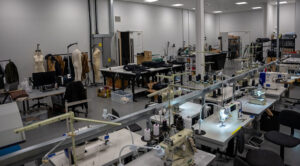
Different Products Require Different Factories
Examples include:
| Product Category | Typical Factory Expertise |
|---|---|
| Seamless Leggings | Circular knitting |
| Hoodies | Fleece manufacturing |
| Sports Bras | Compression apparel |
| Jackets | Outerwear production |
| Shorts | Activewear sewing |
Specialized factories often deliver superior results.
Benefits of Factory Specialization
Advantages include:
- Better quality
- Faster production
- Improved technical performance
- Greater efficiency
This approach supports product consistency.
Why Single-Factory Production Is Rare
A single factory may not excel in every category.
Specialization allows brands to access the best expertise available.
How Does Gymshark Maintain Quality Without Owning Factories?
One concern buyers often have is quality control.
Gymshark maintains quality through supplier audits, technical specifications, product testing, and ongoing factory evaluations rather than direct factory ownership.
Ownership is not the only way to ensure quality.
Quality Control Systems
Brands typically implement:
- Factory inspections
- Product testing
- Production monitoring
- Material verification
These processes help maintain standards.
Product Testing Procedures
Common tests include:
- Stretch recovery
- Colorfastness
- Pilling resistance
- Seam strength
- Wash durability
Testing verifies performance before products reach consumers.
Supplier Audits
Audits often examine:
- Manufacturing practices
- Quality control systems
- Worker conditions
- Environmental compliance
These evaluations support long-term consistency.
Does Gymshark Design Its Own Products?
Manufacturing and design are often confused.
Although Gymshark does not own factories, it designs and develops its own products internally. Manufacturing partners simply execute the production according to Gymshark's specifications.
Design ownership remains with the brand.
Product Development Process
Typically includes:
- Market research
- Fabric sourcing
- Prototype development
- Fit testing
- Production approval
The brand controls the creative process.
Why Design Matters
Strong product development influences:
- Fit
- Performance
- Consumer appeal
- Brand identity
Manufacturing alone does not create successful products.
Collaboration With Factories
Factories often assist with:
- Technical advice
- Production feasibility
- Fabric recommendations
This collaboration improves final products.
Is Owning a Factory Better Than Outsourcing?
Many startup brands wonder whether they should own factories.
For most apparel companies, outsourcing manufacturing is more practical than factory ownership because it reduces risk, lowers investment requirements, and provides access to specialized expertise.
The answer depends on business goals.
Advantages of Factory Ownership
Potential benefits include:
- Greater production control
- Faster decision-making
- Proprietary manufacturing processes
However, these benefits come with significant costs.
Advantages of Outsourcing
Outsourcing offers:
- Lower capital requirements
- Greater flexibility
- Access to experienced suppliers
- Easier scalability
This is why most apparel brands prefer it.
Why Gymshark Chooses Outsourcing
The strategy allows Gymshark to focus on:
- Product innovation
- Marketing
- Community building
- Global expansion
These areas often generate higher returns than factory ownership.
How Does Gymshark's Manufacturing Model Compare to Other Activewear Brands?
Gymshark's approach is not unique.
Most major activewear brands operate similarly by partnering with independent manufacturers while focusing internally on product development and brand management.
This model dominates the global apparel industry.
Common Industry Practices
Most activewear brands:
- Outsource production
- Develop products internally
- Manage quality systems
- Control supply chains
Gymshark follows the same framework.
Why the Model Works
Benefits include:
- Production flexibility
- Lower operating costs
- Faster market adaptation
- Access to global expertise
This supports long-term growth.
Industry Trends
Modern brands increasingly focus on:
- Supply chain transparency
- Sustainability
- Supplier partnerships
- Product innovation
Manufacturing strategies continue to evolve.
What Can Apparel Brands Learn From Gymshark's Manufacturing Strategy?
Gymshark's success offers valuable lessons for growing apparel companies.
The company's growth demonstrates that owning factories is not necessary to build a successful apparel brand. Strong supplier relationships, quality control systems, and product development capabilities are often more important.
Many emerging brands can benefit from this approach.
Key Takeaways
Successful brands often prioritize:
- Product development
- Supplier selection
- Quality management
- Customer experience
These factors drive long-term success.
Focus on Core Competencies
Rather than owning factories, brands can focus on:
- Design
- Branding
- Marketing
- Distribution
This often creates stronger competitive advantages.
Building Reliable Partnerships
Strong manufacturing relationships help brands:
- Scale efficiently
- Improve quality
- Reduce risk
Partnership quality often determines business success.
Conclusion
Gymshark does not own its own factories. Instead, the company works with a network of carefully selected manufacturing partners across countries such as China, Vietnam, Bangladesh, and Turkey. This outsourced manufacturing model allows Gymshark to focus on product development, brand building, customer engagement, and global growth while leveraging the expertise and capacity of specialized garment factories. Like many of the world's largest activewear brands, Gymshark relies on strong supplier relationships rather than factory ownership to produce high-quality products.
The success of Gymshark demonstrates that owning manufacturing facilities is not a requirement for building a globally recognized apparel brand. What matters more is selecting the right suppliers, maintaining strict quality standards, investing in product innovation, and developing a strong connection with customers. For emerging apparel brands, Gymshark's approach provides a valuable example of how strategic outsourcing can support rapid growth while maintaining flexibility in an increasingly competitive global market.
At Fusionknits, we have seen that the strongest apparel brands are often those that focus on what they do best while partnering with experienced manufacturers who specialize in delivering consistent quality, technical expertise, and scalable production solutions.