Jeans are one of the most iconic garments in fashion history, combining functionality, style, and cultural significance. Many consumers and apparel buyers often ask which clothing company is best known for jeans, as the market includes numerous global brands competing in denim design, quality, and innovation. Understanding the brands that dominate the denim industry can help buyers, retailers, and fashion enthusiasts make informed choices.
Levi’s is widely regarded as the clothing company best known for jeans. Founded in 1853 in the United States, Levi’s pioneered denim production, introduced the first blue jeans with rivets, and established a lasting reputation for quality, durability, and classic style. Other notable brands include Wrangler, Lee, Diesel, and True Religion, which have also built strong identities around denim craftsmanship.
The success of a jeans brand is not just about marketing but also about fabric selection, manufacturing expertise, innovation, and cultural influence. At Fusionknits, we have observed that longevity in denim often comes from combining heritage with continuous product innovation.
Why Is Levi’s Synonymous with Jeans?
Levi’s has become virtually synonymous with denim worldwide.
Levi’s pioneered modern blue jeans and created iconic styles such as the 501 original fit. Its combination of durable materials, high-quality construction, and timeless design has set industry standards for over a century.
The brand’s identity is deeply rooted in denim history.
Levi’s Innovations
Key contributions include:
- Introduction of riveted jeans in 1873
- Durable cotton denim for laborers
- Signature leather patch and red tab branding
- Range of fits and washes for different styles
These innovations have created lasting brand recognition.
Cultural Impact
Levi’s jeans became symbols of:
- American culture
- Workwear authenticity
- Youth rebellion in the 1950s
- Fashion versatility in modern trends
Cultural relevance has strengthened Levi’s global identity.
Market Reach
Levi’s maintains:
- Global distribution in retail stores and online
- Diverse price points for different markets
- Collaborations with fashion designers and artists
This reach reinforces Levi’s association with jeans worldwide.
Other Major Denim Brands
While Levi’s dominates, other companies are also known for denim excellence.

Brands such as Wrangler, Lee, Diesel, True Religion, and Nudie Jeans have carved niches in quality, style, and specialized denim offerings.
Each brand has unique strengths.
Wrangler
- Founded in 1947 in the U.S.
- Known for workwear and durable denim
- Popular among ranchers and outdoor workers
- Focus on functional design and rugged appeal
Lee
- Founded in 1889 in the U.S.
- Classic denim fits and innovative washes
- Combines workwear heritage with urban style
- Recognized for comfort-focused innovations
Diesel
- Founded in Italy in 1978
- Premium fashion denim
- Innovative washes and distressing techniques
- Appeals to younger, fashion-forward consumers
True Religion
- U.S.-based brand, founded in 2002
- High-fashion premium denim
- Distinctive stitching and bold branding
- Niche market for statement jeans
Nudie Jeans
- Swedish brand known for organic denim
- Focus on sustainability and ethical production
- Premium quality, raw and selvedge denim
- Appeals to environmentally conscious consumers
These brands demonstrate the diversity and specialization in the global denim market.
How Denim Quality Defines a Jeans Brand
Quality is a primary differentiator in denim.
High-quality jeans rely on durable cotton denim, precise construction, reinforced stitching, and specialized finishing techniques. Fabric weight, stretch composition, and manufacturing methods directly affect fit, longevity, and comfort.
A strong brand often guarantees a premium denim experience.
Key Denim Attributes
- 100% cotton or cotton-spandex blends for flexibility
- Twill weave for durability
- Selvedge edges for premium lines
- Rivet and reinforced stitching for stress points
- Specialized washes for softness, color, and texture
Fabric Weight and Quality
- Lightweight denim (10-12 oz) for soft feel and fashion fit
- Medium-weight denim (12-14 oz) for durability and daily wear
- Heavyweight denim (14-16 oz+) for rugged or raw denim styles
Heavier fabrics generally improve longevity and structure.
Stretch Denim
- Typically 1-3% elastane
- Enhances comfort and mobility
- Maintains fit without sagging
Stretch technology has modernized jeans for active lifestyles.
The Role of Heritage in Denim Branding
Heritage and storytelling are vital in establishing a jeans brand.
Levi’s, Wrangler, and Lee leverage historical narratives that connect consumers to authenticity, craftsmanship, and cultural legacy. This heritage enhances perceived quality and brand loyalty.
Heritage differentiates traditional brands from newer entrants.
Storytelling Examples
- Levi’s: The 501 original fit and Gold Rush labor history
- Wrangler: Cowboy and rodeo legacy
- Lee: Durable workwear for 20th-century laborers
Narrative builds emotional engagement with consumers.
Innovation and Fashion Trends in Jeans
Brands continue to innovate with fabric technology and fashion-forward designs.
Innovation includes stretch technology, performance denim, eco-friendly fabrics, new washes, distressed finishes, and sustainable production. Brands that adapt to trends maintain relevance in competitive markets.
Balancing heritage and trendiness is key.
Examples of Denim Innovation
- Performance stretch for yoga or active wear
- Eco-friendly cotton and recycled polyester
- Laser washes to reduce water usage
- Raw selvedge denim for premium fashion
Innovation keeps brands appealing to younger audiences.
Pricing and Market Positioning
The best jeans brands strategically position themselves through price and perceived quality.

Premium brands like Diesel and True Religion emphasize luxury and style, whereas Levi’s, Wrangler, and Lee focus on classic quality at accessible prices.
Pricing influences market segmentation.
Market Segments
| Brand | Price Range | Market Focus |
|---|---|---|
| Levi’s | $50-$150 | Mass-market to premium |
| Wrangler | $40-$120 | Workwear and casual |
| Lee | $40-$140 | Classic denim and comfort |
| Diesel | $150-$400 | Fashion-forward, premium |
| True Religion | $200-$500 | High-fashion, luxury |
Segment alignment ensures that target customers receive appropriate value.
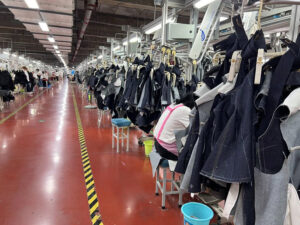
Global Manufacturing of Jeans
Most jeans are produced in countries with established textile industries.
China, Bangladesh, Vietnam, Turkey, and Mexico dominate denim manufacturing due to skilled labor, cost efficiency, and advanced textile technology. Premium lines may use selvedge denim from Japan or Italy for unique texture and heritage appeal.
Sourcing affects both price and perceived quality.
Key Manufacturing Factors
- Yarn quality
- Twill weave integrity
- Stitching and rivet placement
- Dyeing and finishing processes
These factors define durability and aesthetics.
Selvedge Denim
- Woven on old-style shuttle looms
- Clean edge prevents unraveling
- Higher craftsmanship cost
- Common in premium or luxury jeans
Selvedge denim indicates quality and exclusivity.
Sustainability in Denim Production
Sustainable denim practices are increasingly important.
Brands are investing in recycled fabrics, reduced water usage, and eco-friendly dyeing techniques. Consumers now associate brand reputation with environmental responsibility.
Sustainability impacts purchasing decisions.
Examples of Sustainable Practices
- Waterless washing technology
- Organic cotton and recycled denim
- Reduced chemical use in dyeing
- Lifecycle initiatives like recycling programs
Sustainable practices improve brand perception and customer loyalty.
How to Identify the Best Jeans Brand for Your Needs
Choosing a jeans brand requires evaluating:
- Fit and sizing
- Fabric quality and feel
- Brand heritage and story
- Style and wash variety
- Sustainability practices
- Price and value
The “best” brand varies based on individual priorities.
Key Buying Considerations
- Are jeans for casual wear or fashion?
- Do you prioritize heritage or trendiness?
- Are stretch and comfort critical?
- Is sustainability a priority?
- What price range is acceptable?
Matching brand attributes with personal needs ensures satisfaction.
Recommended Approach
- Research brands and styles
- Check fabric compositions
- Evaluate customer reviews
- Compare pricing and quality
- Consider cultural or heritage appeal
A strategic selection process improves decision-making.
Conclusion
Levi’s is the clothing company best known for jeans, thanks to its pioneering history, durable fabrics, classic designs, and cultural impact. Other notable denim brands such as Wrangler, Lee, Diesel, True Religion, and Nudie Jeans have also established strong reputations by focusing on heritage, quality, performance, or sustainability. High-quality jeans are made from durable cotton or cotton blends, often combined with elastane for stretch, and feature precise construction, rivets, reinforced seams, and advanced finishing.
Success in denim comes from a combination of fabric selection, craftsmanship, innovation, brand heritage, and sustainability practices. While Levi’s remains synonymous with jeans worldwide, each brand offers unique qualities catering to different consumer needs.
At Fusionknits, we have observed that the most successful denim brands consistently combine premium fabrics with attention to detail, cultural storytelling, and product innovation, ensuring that their jeans remain durable, comfortable, and stylish across generations.