LuLaRoe has become one of the most recognizable names in the leggings and women's apparel market, thanks to its bold patterns, comfortable fabrics, and multi-level marketing sales model. As the brand’s popularity grew, many buyers, resellers, and consumers began asking questions about the origin of its products. Understanding where LuLaRoe leggings are manufactured can provide insight into their quality, supply chain, and production process.
LuLaRoe leggings made in China are primarily made in China. The company sources its fabrics and manufactures the garments in Chinese factories that specialize in activewear and knitwear. These production facilities offer scalable manufacturing capabilities, consistent fabric quality, and cost-effective labor, which allows LuLaRoe to produce large volumes of patterned leggings efficiently.
While the leggings are designed to provide comfort and style, production location affects aspects such as sizing consistency, fabric construction, and turnaround time. At Fusionknits, we have observed that sourcing from Asia allows brands to balance cost efficiency with quality control when producing mass-market leggings.
Why China Is a Popular Choice for Leggings Manufacturing
China has become the global hub for textile and garment production.
Chinese factories offer advanced knitting technology, skilled labor, and extensive experience with activewear, making them ideal for producing patterned leggings at scale.
The country’s infrastructure supports high-volume orders and consistent quality.
Advantages of Manufacturing in China
- Large-scale production capabilities
- Access to specialized fabrics and synthetic fibers
- Cost-effective labor
- Experienced activewear factories
- Established export logistics
These factors contribute to the ability to produce large collections efficiently.
Common Fabrics Produced in China
- Polyester-spandex blends
- Nylon-spandex blends
- Technical knits for stretch and comfort
- Printed fabrics suitable for bold patterns
China’s textile ecosystem enables complex pattern production and high-quality fabric finishing.
Why Scale Matters
For a brand like LuLaRoe, which produces thousands of patterned leggings each week, scalable production is critical to maintain supply.
What Fabrics Are Typically Used in LuLaRoe Leggings?
Fabric composition directly affects comfort, stretch, and performance.

LuLaRoe leggings are usually made from polyester-spandex or nylon-spandex blends. These materials provide four-way stretch, softness, moisture management, and durability suitable for everyday wear.
The fabric ensures that leggings are flexible and maintain their shape.
Fabric Blend Benefits
Polyester-Spandex
- Lightweight and stretchy
- Retains color and prints well
- Durable for frequent washing
- Provides smooth hand feel
Nylon-Spandex
- Soft, premium feel
- Excellent stretch and recovery
- Smooth surface enhances print quality
- Slightly more durable for everyday wear
Both fabrics support vibrant patterns and consistent sizing.
Why Spandex Is Essential
Spandex allows the leggings to:
- Stretch in multiple directions
- Retain shape after repeated wear
- Provide compression where needed
- Support comfort for different body types
Spandex ensures that leggings maintain form and fit.
Fabric Weight
Most LuLaRoe leggings fall within 220–280 GSM, providing:
- Sufficient opacity for comfort
- Medium-weight for durability
- Stretch that is not overly restrictive
- Support for printed patterns
Fabric weight balances comfort, coverage, and longevity.
How Are LuLaRoe Leggings Printed?
LuLaRoe is known for bold, colorful patterns.
The leggings are often produced using sublimation printing, which embeds dye into the polyester or nylon fibers. This method ensures vibrant, all-over prints that remain durable and resist fading.
Printing techniques play a major role in the distinctive look of the leggings.
Advantages of Sublimation Printing
- Long-lasting colors
- Full coverage printing
- Smooth texture without cracking
- Ability to create complex patterns
Other Fabric Treatments
- Anti-pilling finishes
- Softening treatments for comfort
- Stretch stabilization to prevent sagging
These treatments improve the overall quality of the finished garment.
What Factory Practices Affect Quality?
While production in China enables mass manufacturing, quality depends on factory practices.
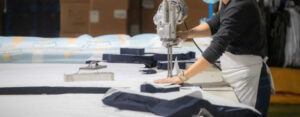
High-quality leggings require attention to seam strength, waistband construction, and fabric consistency. The correct placement of prints and durability of stitching are essential to meet consumer expectations.
Quality assurance is a crucial component of the manufacturing process.
Key Quality Features
- Strong, elastic waistbands
- Double-stitched inseams
- Proper alignment of printed patterns
- Consistent fabric stretch across sizes
Potential Variability
Consumer complaints about sizing inconsistency or print misalignment may result from:
- Differences between factory batches
- Fabric stretching during cutting
- Limited quality control in high-volume production
Understanding production helps buyers set expectations.
How Does Sourcing from China Affect Pricing?
Labor costs and material availability influence retail pricing.
Producing leggings in China allows brands like LuLaRoe to maintain relatively low production costs while offering high-fashion prints and comfortable fabrics.
This cost efficiency enables widespread distribution through direct sales channels.
Impact on Wholesale and Retail
- Lower manufacturing costs enable competitive pricing
- Efficient production reduces inventory constraints
- Mass-market appeal is achievable with high-volume production
Balancing Cost and Quality
Even with cost-efficient production, proper quality control ensures leggings remain durable and attractive for consumers.
What Other Countries Are Commonly Used for Leggings?
While LuLaRoe primarily manufactures in China, other apparel brands source from various countries.
Leggings production in Vietnam, Bangladesh, India, and Pakistan is also popular due to skilled labor, affordable fabrics, and experience with activewear construction.
Each region has specific advantages for different brand needs.
Vietnam
- Skilled workforce for performance fabrics
- Modern manufacturing infrastructure
- Rapid production turnaround
- Increasingly used for premium activewear
Bangladesh
- Cost-effective labor
- Large-scale garment production
- Focus on cotton-polyester blends
- Popular for mid-range leggings brands
India and Pakistan
- Expertise in cotton-rich fabrics
- Established dyeing and printing facilities
- Cost-efficient mass production
- Blended fabrics and casual wear
Understanding global production networks helps brands optimize supply chains.
Are LuLaRoe Leggings Considered High-Quality?
Quality assessment depends on materials, construction, and design.
LuLaRoe leggings quality is generally considered comfortable, visually appealing, and moderately durable. Fabric composition, stretchy blends, and patterning contribute to wearability, although some users report variations in sizing and occasional issues with durability.
Overall, the leggings provide a balance between affordability, comfort, and style.
Strengths
- Vibrant, all-over prints
- Soft and stretchy fabrics
- Comfortable waistbands
- Versatile for casual and athleisure wear
Considerations
- Sizing inconsistencies across production batches
- Potential pilling after frequent washing
- Limited compression for athletic performance
Awareness of these factors helps consumers make informed purchases.
How Does Manufacturing Location Influence Consumer Perception?
Country of origin can influence perceived quality.
Leggings made in China are often perceived as mass-produced but capable of high quality when proper materials and factory standards are used. Many global brands, including LuLaRoe, successfully produce premium-quality garments in China while keeping prices competitive.
Transparency about sourcing can build consumer trust.
Brand Communication
Brands often emphasize:
- Fabric quality
- Pattern originality
- Comfort and fit
- Ethical manufacturing practices
This helps counter any negative assumptions about origin.
How Has Production Evolved Over Time?
LuLaRoe has scaled rapidly since its founding in 2012.
As demand increased, production expanded to larger Chinese factories capable of producing massive quantities while maintaining vibrant, consistent prints. Continuous fabric and production improvements have helped the brand adapt to consumer preferences.
Scaling production without sacrificing style or comfort is a central challenge.
Production Improvements
- Better stretch fabrics for comfort
- Improved sublimation printing methods
- Refined waistband construction
- Streamlined cutting and sewing processes
These changes improve customer satisfaction and repeat purchases.
Supply Chain Management
- Reliable factory partnerships
- Bulk material sourcing
- Fast production turnaround
- Inventory planning for consultants and retailers
Effective supply chain management supports consistent availability.
Conclusion
LuLaRoe leggings made in China are primarily manufactured in China, where the company leverages experienced factories, specialized fabrics, and efficient production methods to produce vibrant, stretchy, and comfortable leggings. Polyester-spandex and nylon-spandex blends are commonly used to ensure durability, comfort, and print clarity, while sublimation printing delivers the bold patterns that define the brand. Proper waistband construction, quality stitching, and fabric treatments contribute to overall garment performance.
While there may be occasional sizing or durability variations due to mass production, the leggings are generally considered good for casual wear, athleisure, and lifestyle fashion. The Chinese manufacturing base allows LuLaRoe to produce leggings at scale while maintaining affordability, making the brand accessible to a wide audience.
At Fusionknits, we have observed that high-quality fabrics, consistent construction, and effective supply chain management are essential for creating leggings that meet customer expectations and sustain brand reputation in competitive markets.