The 1980s were a transformative decade in fashion, marked by bold colors, exaggerated silhouettes, and the rise of brand culture. Many people today look back at 80s clothing with nostalgia, admiration, or curiosity. Understanding the trends of this decade provides insights into cultural shifts, consumer behavior, and the evolution of style in contemporary fashion.
Clothes that were big in the 80s included high-waisted jeans, shoulder-padded blazers, acid-washed denim, tracksuits, neon-colored leggings, leg warmers, oversized sweaters, and logo-heavy T-shirts. Fashion during the 80s emphasized self-expression, flamboyance, and a mix of sporty, punk, and preppy influences. Accessories such as scrunchies, fanny packs, and bold jewelry also defined the decade’s aesthetic.
Many of these trends continue to influence modern fashion through revival collections and retro-inspired designs. At Fusionknits, we have observed that 80s-inspired apparel remains popular in athleisure, streetwear, and casual wear today.
Why Were Shoulder Pads So Popular?
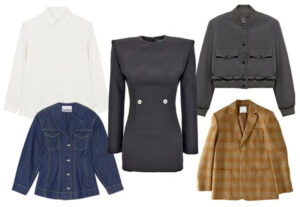
Shoulder pads became one of the most defining features of 80s fashion.
Shoulder pads were widely used in blazers, dresses, and jackets to create a structured, powerful silhouette, reflecting the rise of women in corporate roles and the emphasis on assertiveness and confidence.
This exaggerated silhouette became a symbol of status and authority.
How Shoulder Pads Changed Silhouettes
- Expanded shoulder width
- Created an hourglass effect
- Balanced oversized tops with fitted bottoms
- Enhanced the perception of power and authority
Shoulder pads were often paired with cinched waists to accentuate femininity while maintaining bold shapes.
Popular Styles with Shoulder Pads
- Blazers and suit jackets
- Power dresses
- Sweaters and knit tops
- Evening wear with exaggerated shoulders
Both men and women adopted padded styles, although women’s fashion emphasized dramatic shapes.
Cultural Significance
Shoulder pads reflected:
- Corporate empowerment
- Bold fashion statements
- 80s consumer culture
- Influence of TV shows like "Dynasty"
They became an iconic visual representation of the era.
How Did High-Waisted Jeans Dominate Casual Wear?
High-waisted jeans were a staple in 80s wardrobes.

Jeans during this decade often featured high waistlines, tapered legs, and a relaxed fit, sometimes combined with acid-wash treatments. The style offered both comfort and a flattering silhouette.
They were popular across age groups and social classes.
Styling High-Waisted Jeans
- Tucked-in blouses or T-shirts
- Oversized sweaters or jackets
- Belts to accentuate the waist
- Rolled cuffs with sneakers or pumps
High-waisted jeans paired well with a variety of tops and accessories.
Variations in Fabric and Treatment
- Acid-wash denim for visual texture
- Stretch denim for tighter fits
- Light or medium blue washes
- Distressed elements for edgy looks
These variations allowed consumers to express individuality.
Cultural Influence
High-waisted jeans were influenced by:
- Music videos from MTV
- Pop icons like Madonna and Cyndi Lauper
- Casual American style
This trend blended comfort with visual impact.
Why Were Tracksuits and Leggings So Popular?
Activewear became mainstream fashion in the 80s.
Tracksuits and leggings transitioned from gym wear to casual street style, fueled by aerobics trends, fitness culture, and the influence of celebrity endorsements.
Bright neon colors and bold patterns were particularly fashionable.
Features of 80s Activewear
- Neon colors and geometric patterns
- Lycra and spandex blends for stretch
- Elastic waistbands and cuffs
- Matching sets for a coordinated look
Aerobics videos and TV shows popularized these styles.
Influential Icons
- Jane Fonda’s workout videos
- Richard Simmons’ exercise programs
- Pop stars wearing neon activewear in music videos
These influences normalized athletic clothing as daily wear.
Lasting Impact
Modern athleisure owes much to 80s tracksuits and leggings.
- High-waisted leggings are back in style
- Neon accents are popular in streetwear
- Matching sets remain trendy
The 80s laid the foundation for today’s active-casual crossover.
What Role Did Oversized Sweaters Play?
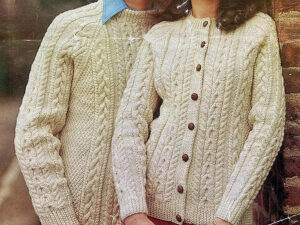
oversized sweaters were a comfortable yet fashionable choice in the 80s.
Slouchy, brightly colored, or patterned sweaters were worn both casually and semi-formally. They reflected a more relaxed, expressive approach to fashion.
Layering and loose fits defined comfort and style.
Common Patterns and Styles
- Stripes, geometric prints, and color blocking
- Drop shoulders for relaxed silhouette
- Knit textures like cable or ribbed patterns
- Cropped or tunic lengths
Oversized sweaters were versatile for both men and women.
Styling Tips from the 80s
- Paired with high-waisted jeans or skirts
- Layered over collared shirts
- Worn with leggings or leg warmers
- Cinched with wide belts for shape
This layered approach highlighted individuality.
Cultural Impact
Oversized sweaters represented:
- Casual, approachable fashion
- Gender-neutral design experimentation
- Comfort-focused trends
This approach influenced later 90s and 2000s casual fashion.
How Did Neon Colors and Bold Prints Influence Fashion?
Neon was a defining characteristic of 80s apparel.
Bright, fluorescent colors appeared on leggings, T-shirts, jackets, and accessories, reflecting the decade’s energy, optimism, and embrace of pop culture. Bold prints like geometric shapes, animal prints, and abstract patterns complemented neon trends.
Fashion became visually loud and statement-driven.
Popular Neon Combinations
- Hot pink with lime green
- Electric blue with yellow
- Fluorescent orange with black accents
These combinations were often paired with oversized silhouettes for maximal effect.
Influential Sectors
- Aerobics and sportswear
- Streetwear and casual wear
- Music video costumes
- Dance and performance outfits
Neon became synonymous with youthful energy and rebellion.
Modern Revival
Many 80s-inspired collections today include neon accents, retro prints, and bold patterns. These elements continue to influence activewear, festival fashion, and streetwear.
What Accessories Defined 80s Clothing?
Accessories were just as important as clothing.

Scrunchies, fanny packs, chunky jewelry, oversized sunglasses, and belts completed the 80s look. They emphasized individuality, flamboyance, and playful styling.
Accessories often transformed basic clothing into trend-defining outfits.
Common Accessory Trends
- Scrunchies for casual hairstyles
- Fanny packs worn across the torso
- Oversized hoop earrings and layered necklaces
- Wide belts for cinched waists
- Brightly colored socks with sneakers
Each accessory added personality and vibrancy to outfits.
Cultural Influence
Accessories reflected:
- Pop music culture
- TV and movie aesthetics
- Youth rebellion and experimentation
- DIY and personal expression
They remain hallmarks of 80s-inspired fashion.
How Did Pop Culture Influence 80s Fashion?
Music, movies, and television heavily influenced clothing trends.
Artists like Madonna, Michael Jackson, Cyndi Lauper, and Prince shaped popular styles. Television shows and movies reinforced trends like preppy blazers, graphic T-shirts, and denim jackets.
Fashion and media were tightly intertwined.
Examples of Pop Culture Influence
- Madonna’s lace gloves, leggings, and layered jewelry
- Michael Jackson’s military-style jackets and sequins
- Cyndi Lauper’s colorful mix-and-match ensembles
- Miami Vice pastels and power suits
Celebrity influence accelerated the adoption of bold styles.
Lasting Impact
Many 80s trends remain in modern fashion:
- Retro denim washes
- Neon accents in streetwear
- High-waisted pants and leggings
- Oversized jackets and sweaters
Pop culture established patterns that continue to inspire designers.
Why Did Denim Dominate 80s Fashion?
Denim was a key fabric during the decade.
Acid-washed jeans, denim jackets, overalls, and jean skirts became ubiquitous. Denim symbolized casual style, youth culture, and accessibility while supporting bold design experimentation.
Denim allowed for versatility and personalization.
Popular Denim Styles
- Acid-wash and stone-wash treatments
- High-waisted jeans
- Oversized jackets with rolled sleeves
- Denim vests and skirts
Customization through patches, embroidery, and distressing became common.
Cultural Significance
Denim reflected:
- Rebellion against conservative norms
- DIY fashion culture
- The rise of American casual style globally
Denim became a cornerstone of both streetwear and mainstream fashion.
How Can Modern Fashion Borrow from the 80s?
Retro-inspired collections are thriving.
Contemporary brands often reimagine neon accents, oversized silhouettes, leggings, denim washes, and bold prints for modern consumers, combining nostalgia with updated fits and materials.
The 80s aesthetic continues to influence athleisure, streetwear, and high fashion.
Modern Interpretations
- High-waisted retro leggings in neon or bold prints
- Oversized knit sweaters with modern tailoring
- Acid-wash or distressed denim for casual looks
- Accessories like scrunchies and mini backpacks
These reinterpretations balance authenticity with modern wearability.
Why the 80s Continue to Inspire
The decade’s fashion is remembered for:
- Experimentation and self-expression
- Bold colors and textures
- Mix of casual, sporty, and glamorous elements
- Cross-generational appeal
These qualities make 80s fashion a perennial source of inspiration.
Conclusion
The 1980s were defined by bold, expressive clothing that emphasized individuality, flamboyance, and cultural influence. Staples included high-waisted jeans, acid-wash denim, shoulder-padded blazers, oversized sweaters, tracksuits, leggings, and neon-colored apparel.
Accessories such as scrunchies, fanny packs, and layered jewelry amplified the visual impact of outfits. Pop culture icons and media played a pivotal role in shaping trends, which continue to influence contemporary streetwear, athleisure, and retro-inspired collections.Understanding 80s fashion highlights the importance of silhouette, color, fabric, and cultural context in apparel design.
At Fusionknits, we have observed that elements from the 80s—particularly high-waisted pants, oversized knits, and performance-inspired leggings—remain popular today, demonstrating how bold experimentation, comfort, and personality-driven styles can create timeless influence in fashion.